01
Internal Incision
A small incision is made inside the lower eyelid (transconjunctival approach).
Under-eye fat repositioning is a lower eyelid rejuvenation procedure designed to improve eye bags, tear trough hollowing, and dark, tired-looking under-eyes by redistributing existing fat rather than simply removing it.
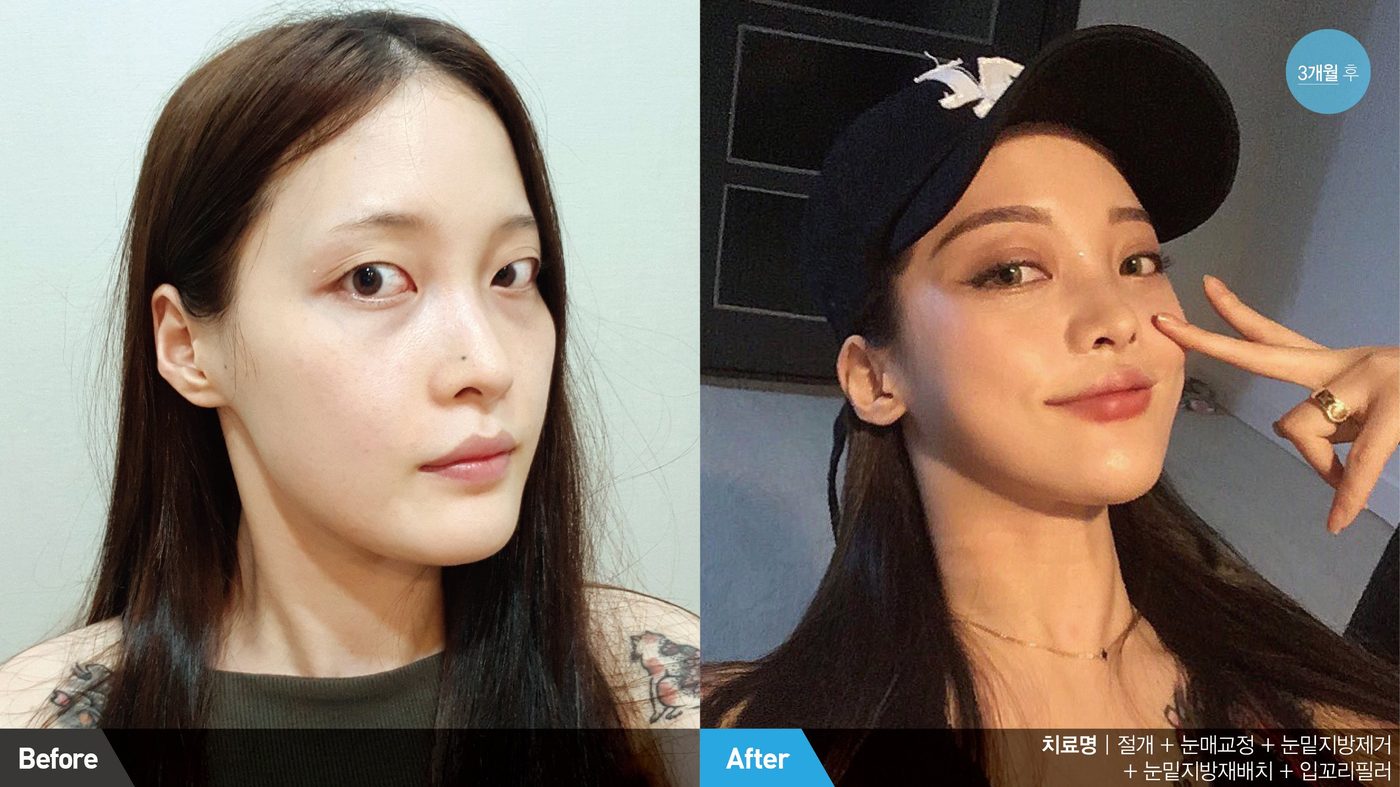
Moving protruding fat into the hollow it sits above.
The procedure repositions protruding under-eye fat into hollow areas to create a smoother transition between the lower eyelid and the cheek. This can reduce the appearance of eye bags while improving facial balance and a fatigued appearance. Because the incision is made inside the eyelid, there is generally no visible external scar.
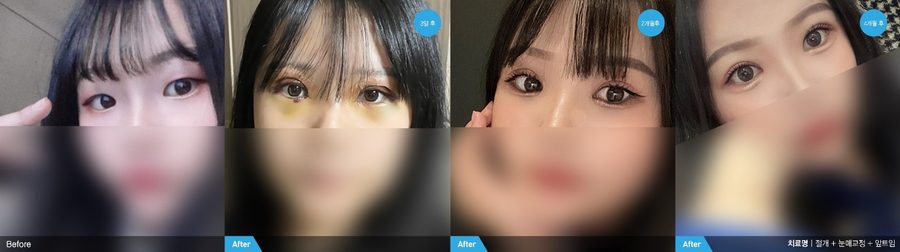
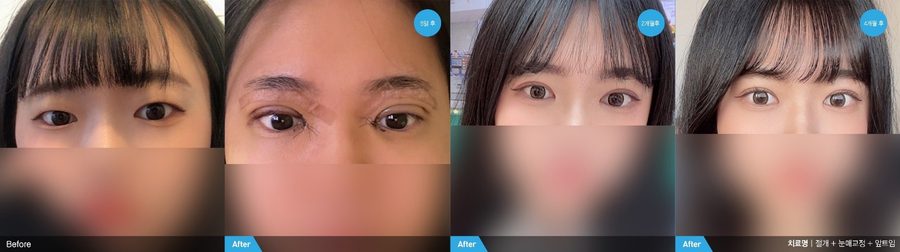
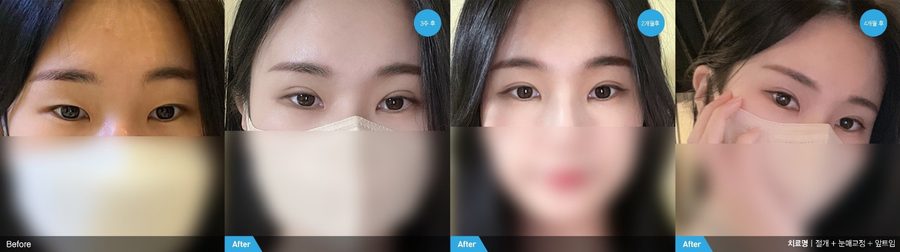
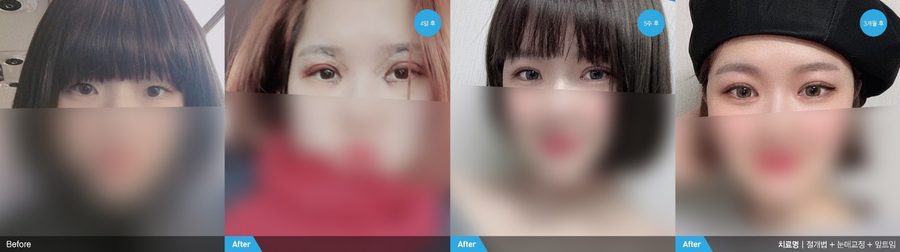
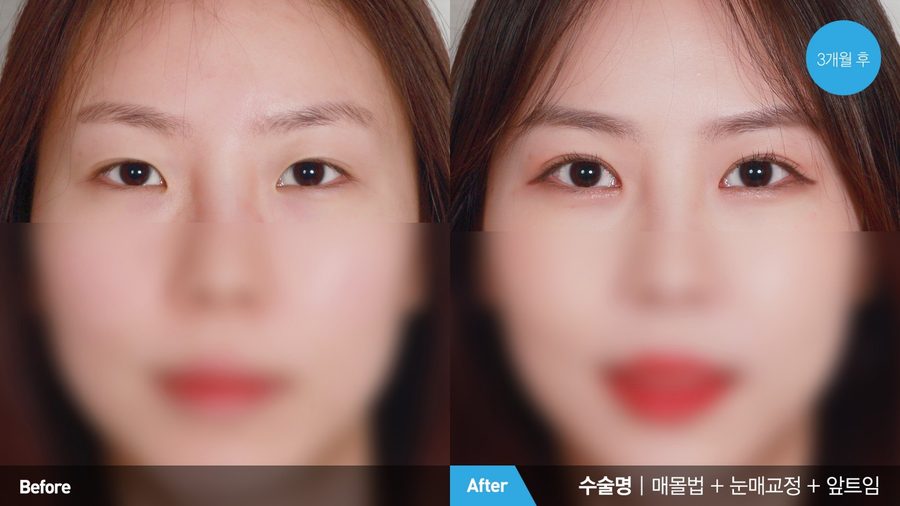
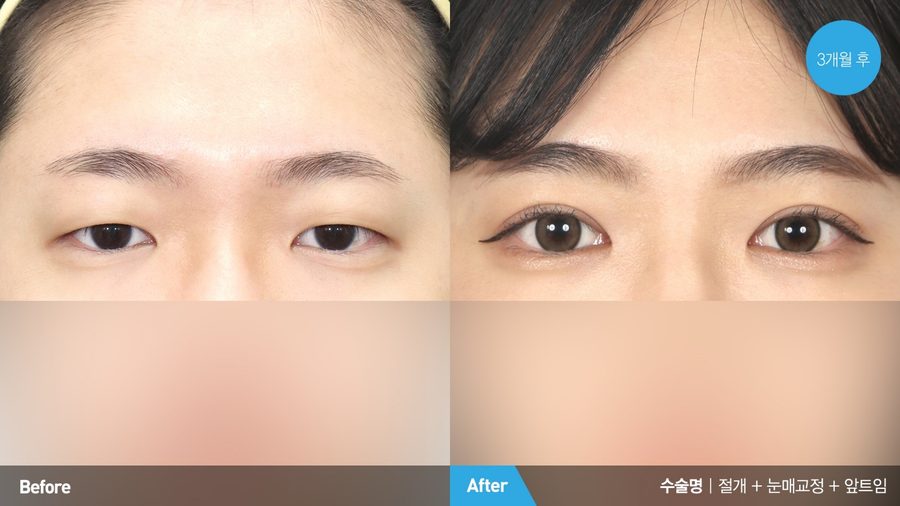
Individual results vary. Photos are standardized examples shown with patient consent and are not a guarantee of outcome.
A small incision is made inside the lower eyelid (transconjunctival approach).
Protruding fat is carefully released and repositioned.
The fat is redistributed to smooth the hollow area.
The lower eyelid contour is refined while minimizing visible scarring.
| What it addresses | |
|---|---|
| Brighter, refreshed appearance | A fatigued look driven by under-eye shadowing may improve |
| Improved under-eye contour | A smoother transition between the lower eyelid and the cheek |
| Reduced eye bag appearance | Protruding fat is repositioned rather than left to bulge |
| Softer tear trough transition | Hollow areas are filled using your own existing fat |
| Hidden internal incision | The transconjunctival approach generally leaves no visible external scar |
Not all types of dark circles have the same cause. Repositioning may improve shadow-related dark circles caused by contour irregularities, but pigment-related or vascular causes are different concerns.
A consultation and examination are required to determine whether repositioning, removal, or a combination is appropriate for your anatomy.
Discuss eye bags, tear trough hollowing, shadows, and what bothers you most.
Fat protrusion, hollowing, contour, and the cause of shadowing are assessed.
Whether repositioning, removal, or a combination suits you is determined.
Transconjunctival access, careful release, redistribution into the hollow, and contour refinement.
Temporary swelling, bruising, and mild discomfort are expected during early healing.
Individual postoperative instructions and follow-up care are provided.
Swelling is expected during early healing and settles gradually.
Bruising around the lower eyelid is expected and improves over time.
Mild discomfort is common in the early recovery period.
Individual postoperative instructions and follow-up care are provided.
Recovery varies between patients. Your surgeon provides a timeline based on your procedure and healing response.
A message from the surgeon, a look inside the clinic, and stories from patients.

Set each block's data-video to your YouTube video ID to enable playback.
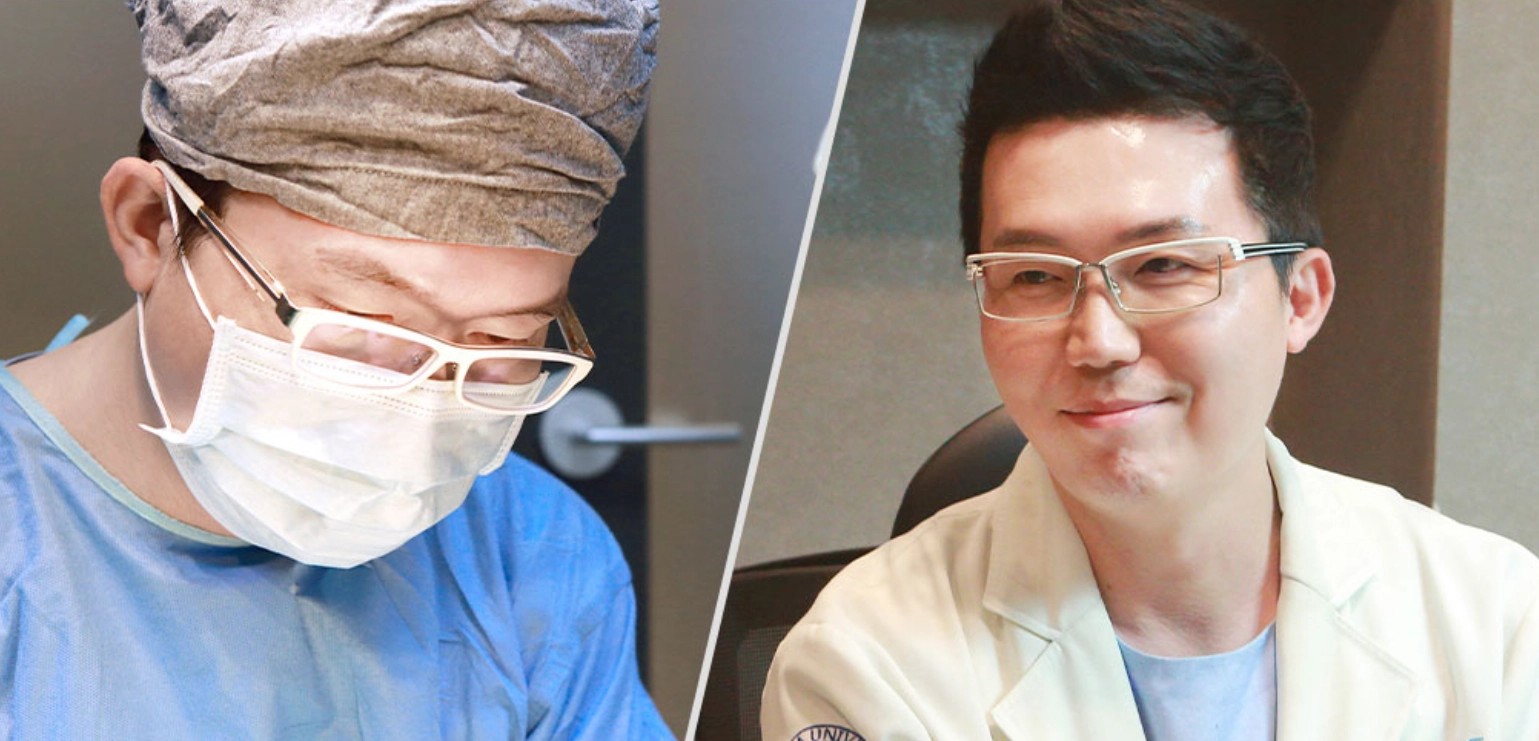
 Surgeon Portrait
Taking out too much fat is how an under-eye ends up looking hollow instead of rested.
The fat that bulges and the hollow beneath it are usually the same problem — so the answer is to move it, not discard it.
Whether repositioning suits you depends on your fat protrusion, tear trough depth, and what is actually causing the shadowing. A consultation determines the approach — and whether surgery is the right answer at all.
Individual results and recovery experiences vary. This page is provided for general educational purposes and does not constitute a diagnosis, treatment recommendation, or guarantee of surgical results. Dark circles have multiple causes, and not all types respond to contour surgery. All surgical procedures involve potential risks, including bleeding, infection, asymmetry, contour irregularity, undercorrection or overcorrection, altered sensation, dry eye or irritation, lower eyelid position change, dissatisfaction with the outcome, and the possible need for additional treatment. The appropriate treatment and expected outcome can only be determined following an in-person examination and consultation with a qualified medical professional. Newline Clinic is licensed under the Korean Medical Service Act.
Send your details and our international team will get back to you. No obligation — just a starting point.