PRP Fat Grafting · Autologous Volume

PRP fat grafting in Busan, Korea — facial volume restored with your own fat.

PRP Fat Grafting is an autologous fat transfer procedure that combines purified fat with platelet-rich plasma (PRP) to restore facial volume while supporting tissue regeneration — natural-looking volume enhancement using your own fat together with PRP preparation techniques.
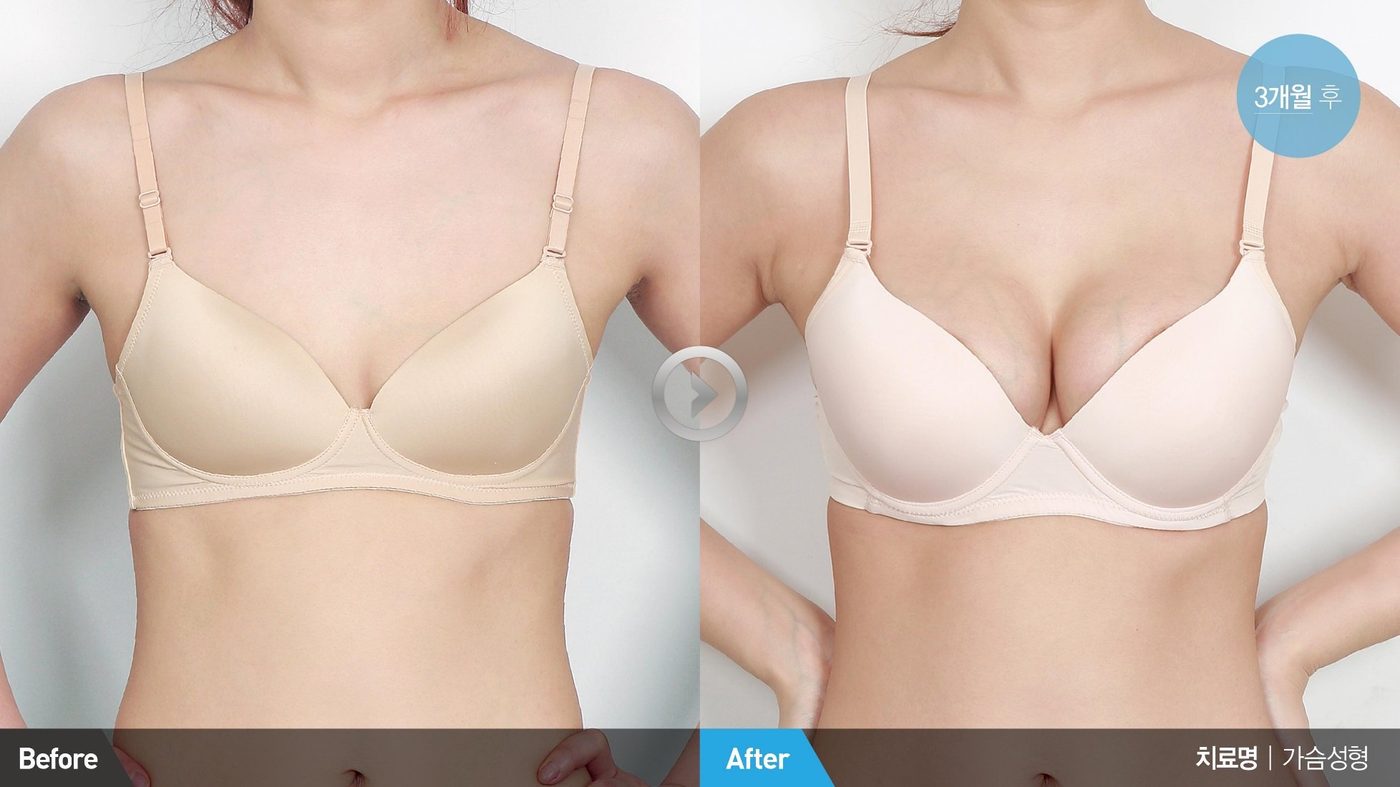
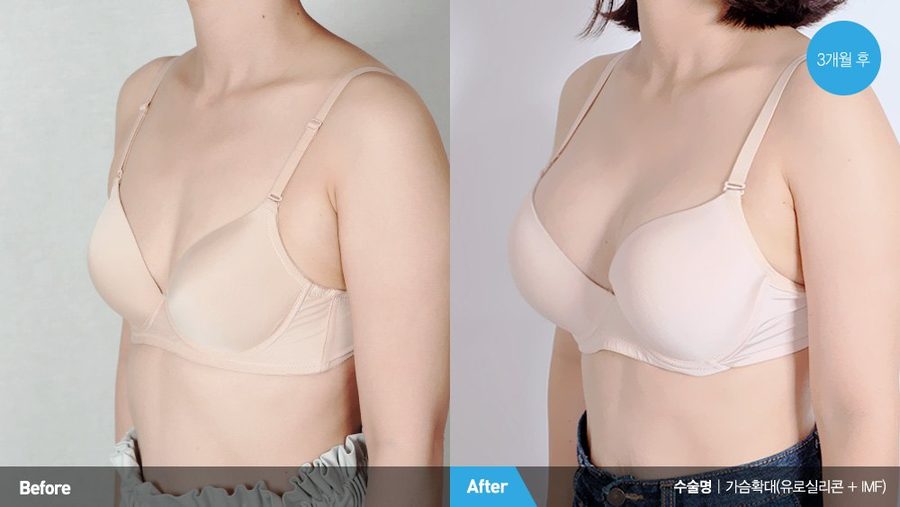
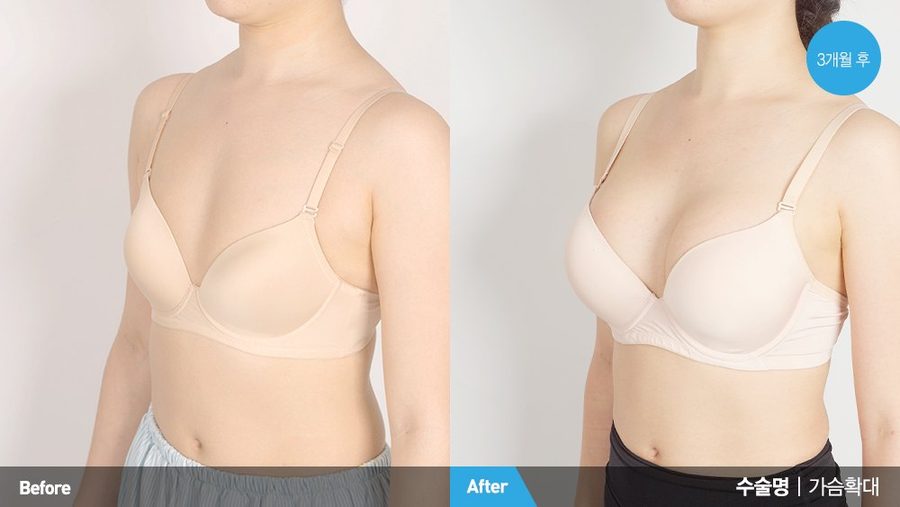
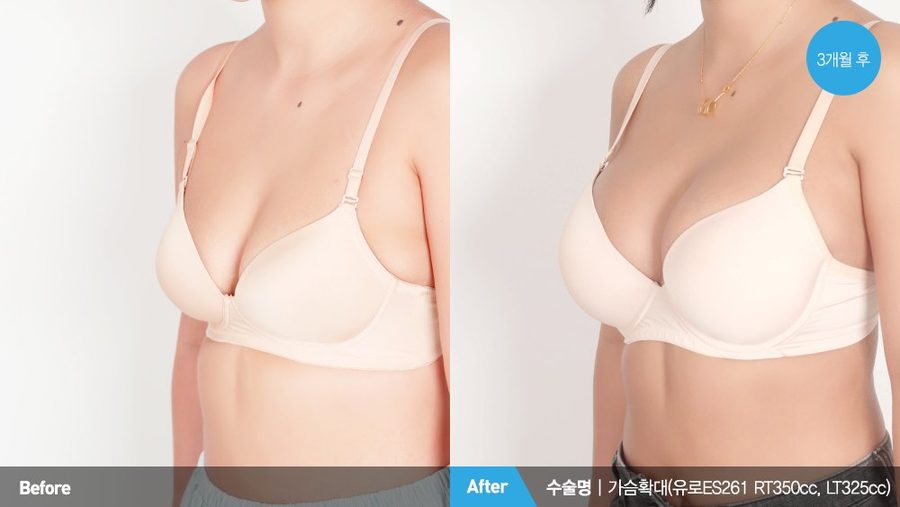
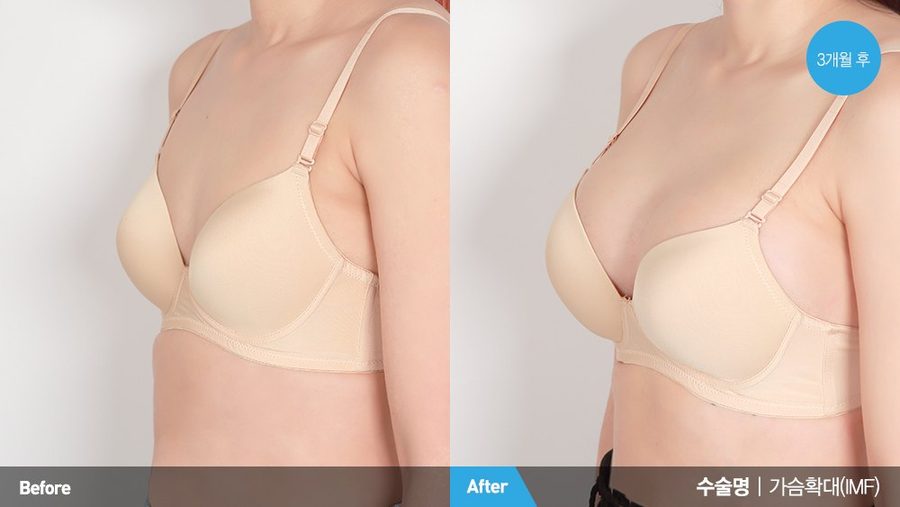
Natural facial volume restoration after PRP fat grafting at Newline Clinic in Busan, Korea
PRP Fat Grafting
Watch: harvesting, purification, and PRP
PRP-assisted fat grafting Purification of harvested fat Precise micro-fat injection Personalized treatment planning Structured postoperative management
PRP Fat Grafting at a Glance

Your own tissue, placed where volume was lost.

Procedure
PRP Fat Grafting
Material
Autologous Fat + PRP
Donor Sites
Abdomen · Thighs
Processing
Purified & Separated
Injection
Precise Micro-Fat
Integration
Gradual
What Is PRP Fat Grafting?

Purified fat, combined with platelet-rich plasma.

Fat is harvested from areas with excess fat, such as the abdomen or thighs, purified, and selectively injected into areas requiring additional volume. PRP is incorporated to support the transferred fat and the surrounding tissue environment. Because the material is your own tissue, integration is gradual rather than immediate — which is part of what makes the result look natural.
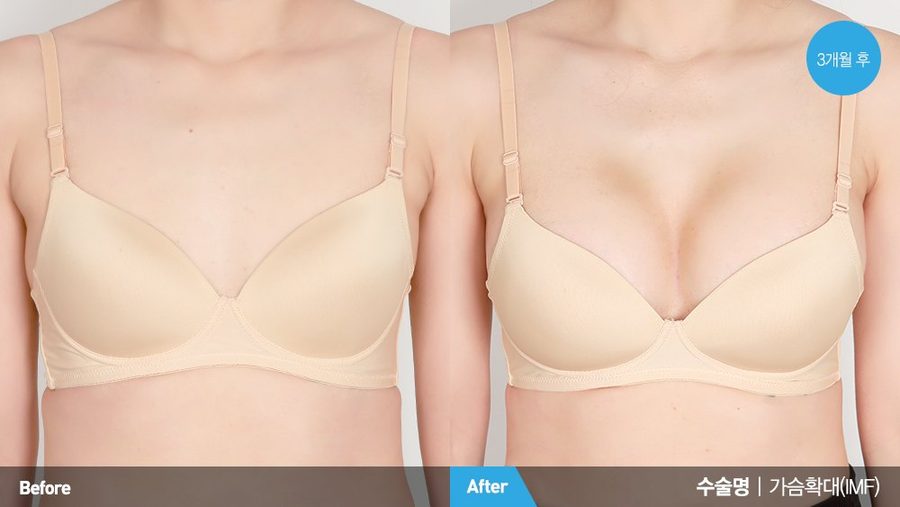
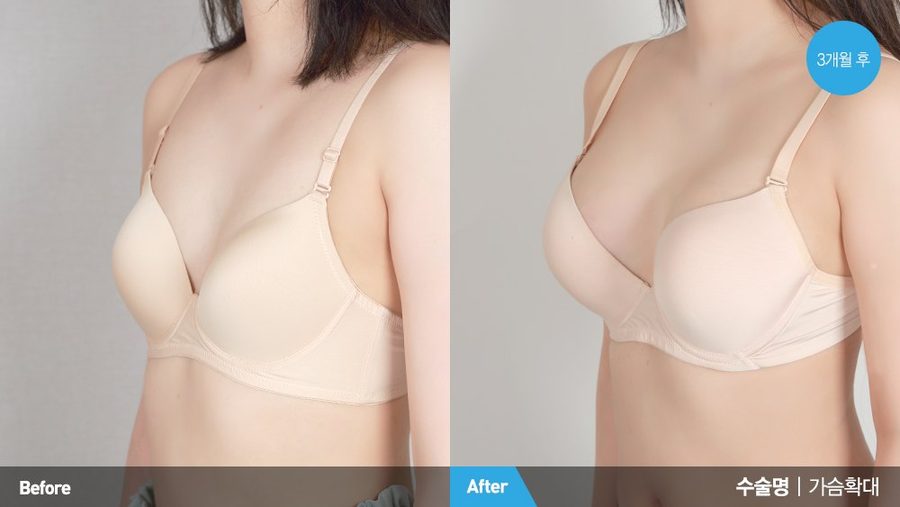
Results

Restored volume, angle by angle.

Individual results vary. Photos are examples shown with patient consent and are not a guarantee of outcome.

How the Procedure Works

From donor site to facial contour.

01

Fat Harvesting

Fat is harvested from a donor site such as the abdomen or thighs.

Step Harvesting
02

Purification

Healthy fat cells are purified and separated.

Step Processing
03

PRP Preparation

PRP is prepared from the patient's own blood.

Step PRP
04

Combination

Purified fat is combined with PRP to support the graft and surrounding tissue environment.

Step The key step
05

Precise Injection

Precise micro-fat injection into targeted facial areas.

Step Injection
Common Treatment Areas

Where volume is commonly restored.

Forehead

Forehead contour may be softened with restored volume.

Temples

Temple hollowing is a common area of age-related volume loss.

Cheeks

Cheek volume is restored to support facial contour.

Under-Eye Area

The under-eye area may be treated as part of facial balance.

Chin

Chin contour may be refined with autologous volume.

Other Facial Regions

Other facial regions with volume loss may also be considered.

Potential Benefits

What the procedure offers.

What it means in practice
Natural volume restorationVolume is restored where it has been lost, using your own tissue
Use of your own tissueAn autologous alternative for patients who prefer to avoid synthetic fillers
Personalized contour enhancementFat is selectively injected into areas requiring additional volume
Improved facial harmonyAreas are treated in relation to overall facial balance
Gradual tissue integrationThe graft integrates over time rather than immediately

Transferred fat integrates gradually and the amount that persists varies between individuals; additional sessions are sometimes considered. Swelling, bruising, and temporary asymmetry are common early on.

Who May Benefit?

Candidates are evaluated individually.

You may be suitable if you

  • Prefer autologous volume restoration
  • Have facial volume loss
  • Desire a softer, fuller facial appearance
  • Prefer an alternative to synthetic fillers
  • Seek natural-looking facial rejuvenation

A consultation determines your plan

  • A donor site is required, so fat must be available to harvest
  • The amount of transferred fat that persists varies between individuals
  • Swelling and temporary asymmetry are expected early on
  • Volume loss and sagging are different problems with different answers

A consultation and examination are required to determine whether fat grafting is appropriate and which areas should be treated.

Recovery and Aftercare

Recovery varies between individuals.

Swelling

Swelling is common during the initial healing period.

Bruising

Bruising is common at both the donor and treated areas.

Temporary Asymmetry

Temporary asymmetry is common as swelling settles and the graft integrates.

Personalized Instructions

Personalized postoperative instructions and follow-up care are provided.

Recovery varies between individuals, and tissue integration is gradual. Your surgeon provides a personalized timeline.

Inside Newline

Meet the team & clinic.

A message from the surgeon, a look inside the clinic, and stories from patients.
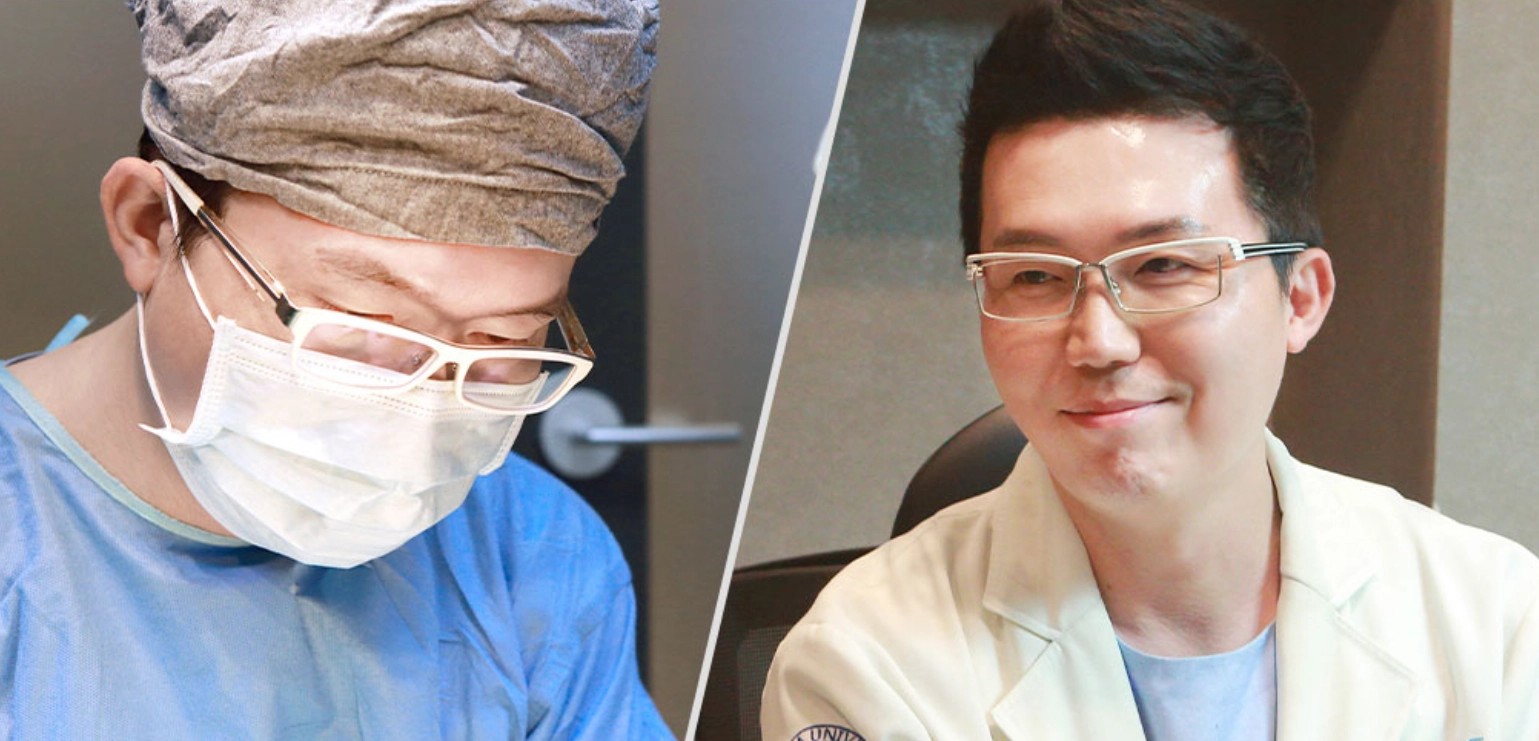
Message from the plastic surgeon at Newline Clinic
Meet the surgeon
Newline Clinic tour in Busan
Clinic tour
Patient story

Set each block's data-video to your YouTube video ID to enable playback.
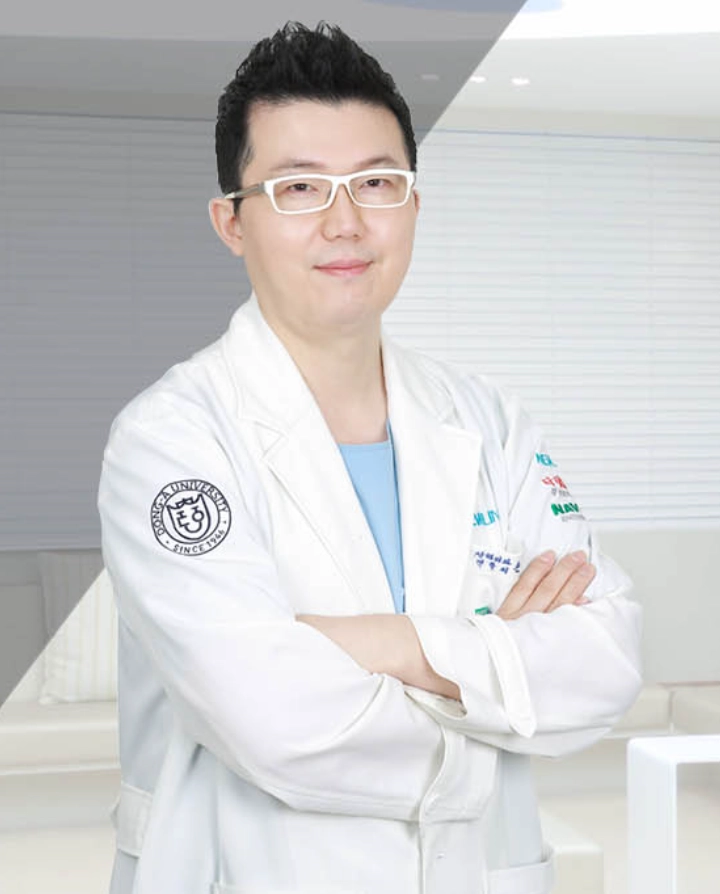
Dr. Son Hee-dong, plastic surgeon at Newline Clinic Busan Surgeon Portrait
About Your Surgeon

Dr. Son Hee-dong,
plastic
surgeon.

Fat grafting is not filler you can take back.

So the honest conversation is about how much will stay, how gradually it settles, and whether volume is even what your face is missing.

  • Board-certified plastic surgeon · MD, PhD
  • Doctorate in Medicine, Dong-A University Graduate School
  • Clinical Professor, Dept. of Plastic Surgery, Dong-A University Hospital
  • Full member — Korean Society of Plastic and Reconstructive Surgeons, Korean Society for Aesthetic Plastic Surgery, Korean Rhinoplasty Society
  • Experience in autologous fat transfer
  • Consultation in Korean, English, Japanese and Chinese
View Full Profile
Frequently Asked

PRP Fat Grafting in Busan
questions.

What is PRP fat grafting?
It is an autologous fat transfer procedure that combines purified fat with platelet-rich plasma (PRP) to restore facial volume while supporting tissue regeneration, using the patient's own fat together with PRP preparation techniques.
How is it different from dermal fillers?
Fat grafting uses your own tissue rather than a synthetic filler, which is why it may suit patients who prefer an alternative to synthetic fillers. Transferred fat integrates gradually rather than providing an immediate fixed volume.
How long do results last?
The graft integrates gradually, and the amount of transferred fat that persists varies between individuals. Your surgeon should explain expected longevity and whether additional sessions may be considered.
Which areas can be treated?
Common treatment areas include the forehead, temples, cheeks, under-eye area, chin, and other facial regions with volume loss.
Can fat grafting be combined with other facial procedures?
Combined procedures are considered depending on your anatomy and goals — particularly since volume loss and tissue sagging are different problems. Whether a combination is appropriate is determined during consultation.
Where is the fat taken from?
Fat is harvested from areas with excess fat, such as the abdomen or thighs, then purified and separated before use.
What does the PRP do?
PRP is prepared from the patient's own blood and incorporated to support the transferred fat and the surrounding tissue environment.
What is recovery like?
Swelling, bruising, and temporary asymmetry are common during the initial healing period. Recovery varies between individuals, and personalized postoperative instructions and follow-up care are provided.
Who may benefit from fat grafting?
It may be appropriate for individuals who prefer autologous volume restoration, have facial volume loss, desire a softer fuller appearance, prefer an alternative to synthetic fillers, and seek natural-looking rejuvenation.
Considering Fat Grafting in Busan?

Start with a
facial volume assessment.

Volume loss and tissue sagging look similar but need different treatment. A consultation identifies which is driving your concern — and which areas would benefit from autologous volume.

Visit the clinic

Find Newline in Busan.

Newline Clinic
40 Bujeon-ro 66beon-gil, Floors 2–5
Busanjin-gu, Busan 47287
Republic of Korea

+82 51 806 0100 · WhatsApp

Get Directions

Individual results and recovery experiences vary. This page is provided for general educational purposes and does not constitute a diagnosis, treatment recommendation, or guarantee of results. Transferred fat integrates gradually and the amount that persists varies between individuals; additional sessions may be required. All procedures involve potential risks, including bleeding, infection, asymmetry, contour irregularity, lumps or nodules, fat resorption, cyst formation, donor site complications, altered sensation, dissatisfaction with the outcome, and the possible need for additional treatment. The appropriate treatment and expected outcome can only be determined following an in-person examination and consultation with a qualified medical professional. Newline Clinic is licensed under the Korean Medical Service Act.

Request a Consultation

Tell us what you're considering.

Send your details and our international team will get back to you. No obligation — just a starting point.

Our international team replies in English, Japanese and Chinese — usually within one business day.