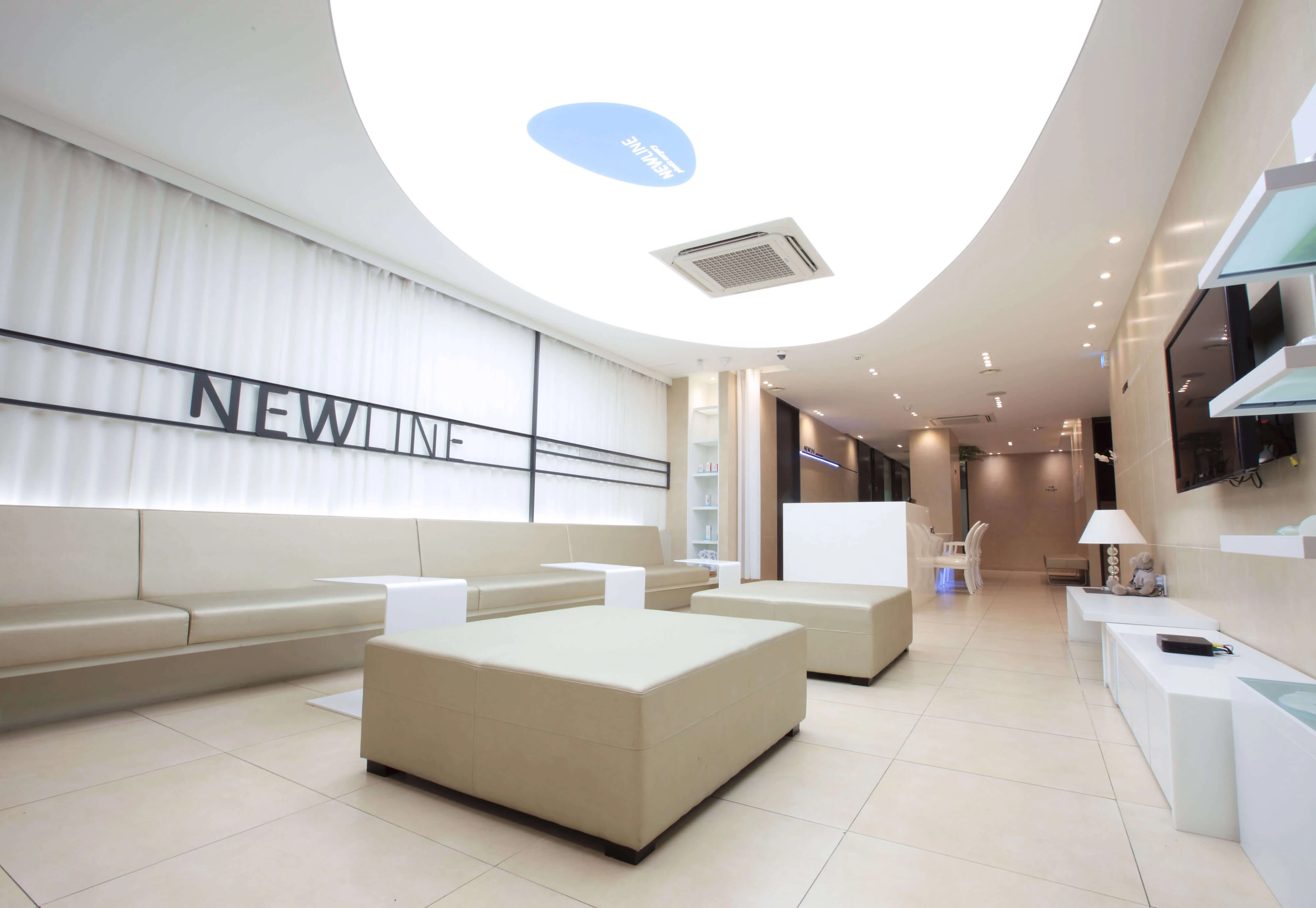
Combined Canthoplasty · Lateral + Lower

Combined canthoplasty in Busan, Korea — two techniques, one eye design.

Combined canthoplasty is a customized eye-enlargement procedure that combines lateral canthoplasty (outer corner) and lower canthoplasty to improve eye proportions while preserving a natural appearance — with individualized design based on each patient's anatomy rather than a single standardized technique.

Combined canthoplasty naturally enlarged eyes at Newline Clinic in Busan, Korea
Combined Canthoplasty
Watch: lateral plus lower canthoplasty
Customized eye design Personalized consultation Careful fixation for stability Safety-focused surgical system Structured postoperative care
Combined Canthoplasty at a Glance

Adjusting several aspects at once.

Procedure
Combined Canthoplasty
Combines
Lateral + Lower
Adjusts
Corner Position & Lower Contour
Improves
Eye Length & Openness
Goal
Overall Facial Harmony
Design
Individualized
What Is Combined Canthoplasty?

Not enlargement for its own sake — harmony.

The procedure adjusts multiple aspects of the eye simultaneously: outer eye corner position, lower eyelid contour, eye length and openness, and overall eye balance. By combining techniques, surgeons can create a more harmonious eye shape than with a single procedure alone when clinically appropriate. Rather than simply enlarging the eyes, the goal is to improve overall facial harmony.
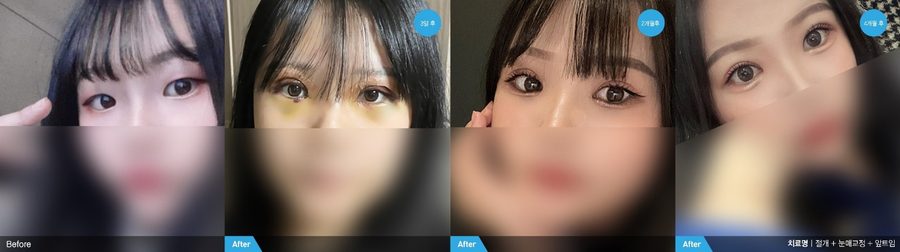
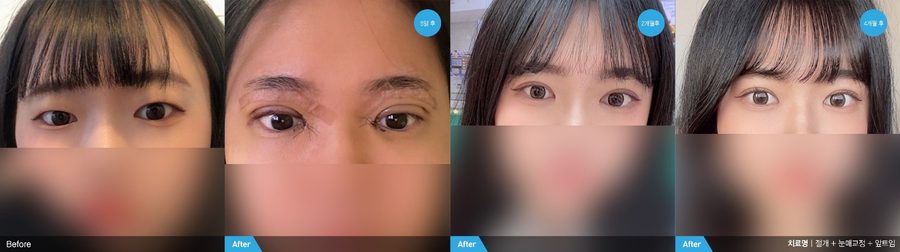
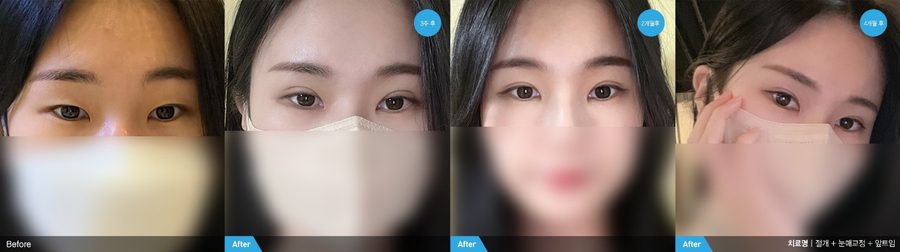
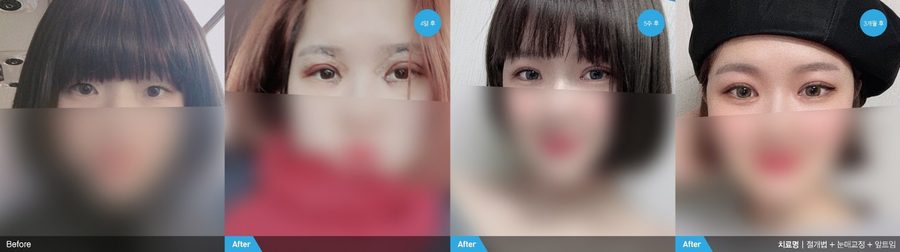
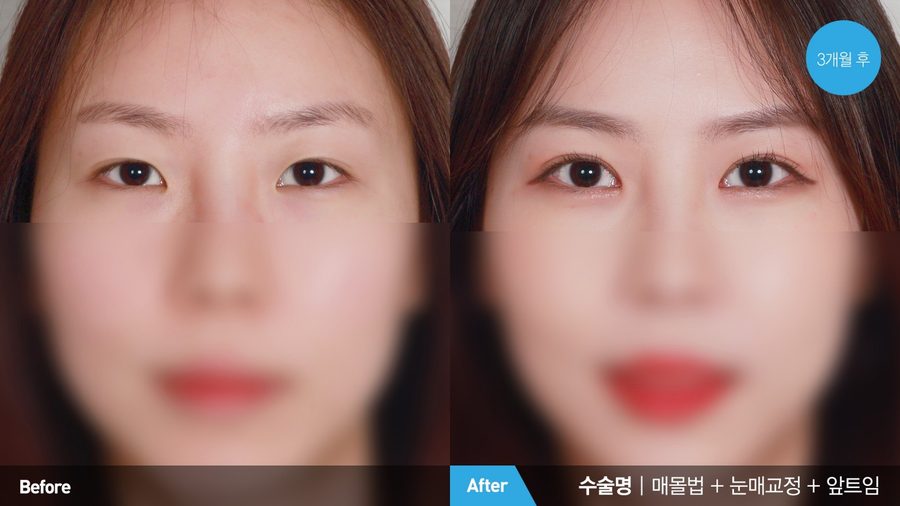
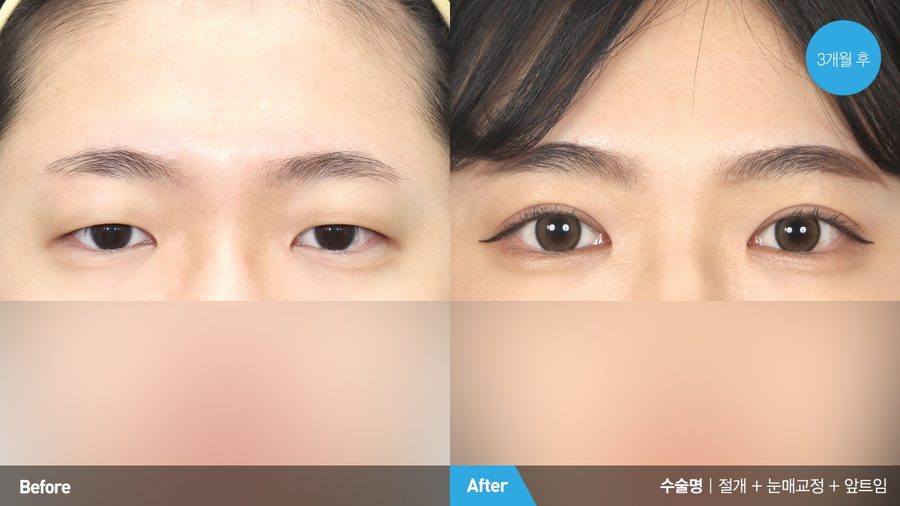
Results

Balanced enlargement, angle by angle.

Individual results vary. Photos are standardized examples shown with patient consent and are not a guarantee of outcome.

What the Procedure Adjusts

Multiple aspects, simultaneously.

Outer Eye Corner Position

The lateral canthus is adjusted to influence eye length.

Lower Eyelid Contour

The lower eyelid is adjusted as part of the overall shape.

Eye Length & Openness

Length and openness are treated together rather than separately.

Overall Eye Balance

The eyes are balanced against one another and the face.

Treatment Principles

What individualized planning considers.

Why it matters
Eye lengthDetermines how much elongation is appropriate
Eye widthAffects the openness of the eye shape
Outer corner angleGuides how the lateral canthus should be repositioned
Lower eyelid positionDetermines whether lower canthoplasty should be combined
Facial proportionsThe goal is improved facial harmony, not maximum enlargement

Combining techniques is appropriate only when clinically indicated. Whether a combined approach suits you depends on your individual anatomy rather than a preference for more procedures.

Potential Benefits

What the procedure aims to improve.

Larger, Brighter-Looking Eyes

Eye length and openness are improved together.

Improved Eye Proportions

Proportions are addressed rather than a single corner.

More Balanced Appearance

The eyes are planned in relation to overall facial balance.

Personalized Planning

Design follows your anatomy, not a standardized technique.

Natural-Looking Results

Subtle enlargement that preserves a natural appearance.

Who May Benefit?

Candidates are evaluated individually.

You may be suitable if you

  • Have short or narrow-looking eyes
  • Want a longer, more open eye shape
  • Have eyes that appear close together
  • Feel your eyes remain small after double eyelid surgery
  • Desire subtle, natural-looking eye enlargement

A consultation determines your plan

  • Combination is used only when clinically appropriate
  • Facial harmony limits how far the eyes should be enlarged
  • Recovery varies with anatomy and the extent of surgery
  • Previous eye surgery affects what can be achieved

A comprehensive eye and facial analysis is required before deciding whether a combined approach is appropriate.

Procedure Overview

Your combined canthoplasty journey.

01

Comprehensive Analysis

Comprehensive eye and facial analysis of length, width, corner angle, and lower eyelid position.

Step Analysis
02

Customized Surgical Design

A design built for your anatomy rather than a standardized technique.

Step Design
03

Adjustment

The lateral canthus and lower eyelid are adjusted as indicated.

Step The procedure
04

Careful Fixation

Careful fixation supports the stability of the adjusted contour.

Step Fixation
05

Assessment & Follow-Up

Postoperative assessment and follow-up appointments monitor healing and results.

Step Ongoing care
Recovery and Aftercare

Recovery depends on anatomy and extent.

Temporary Swelling

Swelling is expected during the early healing period.

Bruising

Bruising is expected and improves as healing progresses.

Mild Discomfort

Mild discomfort is common during early recovery.

Personalized Aftercare

Personalized aftercare instructions and follow-up appointments are provided.

Recovery varies depending on individual anatomy and the extent of surgery. Your surgeon provides a personalized timeline.

Inside Newline

Meet the team & clinic.

A message from the surgeon, a look inside the clinic, and stories from patients.

Message from the eye surgery specialist at Newline Clinic
Meet the surgeon
Newline Clinic tour in Busan
Clinic tour
Patient story

Set each block's data-video to your YouTube video ID to enable playback.

Eye surgery specialist at Newline Clinic Busan Surgeon Portrait
About Your Surgeon

Dr. Son Hee-dong,
plastic
surgeon.

Combining procedures is a decision, not a default.

I combine the outer corner and lower eyelid only when the proportions actually call for both — otherwise a single procedure is the better answer.

  • Board-certified plastic surgeon · MD, PhD
  • Doctorate in Medicine, Dong-A University Graduate School
  • Clinical Professor, Dept. of Plastic Surgery, Dong-A University Hospital
  • Full member — Korean Society of Plastic and Reconstructive Surgeons, Korean Society for Aesthetic Plastic Surgery, Korean Rhinoplasty Society
  • Experience in canthoplasty and combined eye contouring
  • Consultation in Korean, English, Japanese and Chinese
View Full Profile
Frequently Asked

Combined Canthoplasty in Busan
questions.

What is combined canthoplasty?
It is a customized eye-enlargement procedure that combines lateral canthoplasty (outer corner) and lower canthoplasty to improve eye proportions while preserving a natural appearance, with individualized design based on each patient's anatomy.
How is it different from lateral canthoplasty alone?
Combined canthoplasty adjusts multiple aspects simultaneously — outer eye corner position, lower eyelid contour, eye length and openness, and overall eye balance — which can create a more harmonious eye shape than a single procedure alone when clinically appropriate.
Can it be combined with double eyelid surgery?
Combined procedures are considered based on anatomy and goals. Notably, some patients seek canthoplasty because their eyes remain small after double eyelid surgery. Whether a combination is appropriate is determined after analysis.
How long is recovery?
Recovery varies depending on individual anatomy and the extent of surgery. Temporary swelling, bruising, and mild discomfort are expected during the early healing period, with personalized aftercare instructions provided.
Will scars be visible?
Canthoplasty involves incisions at the treated corners, so scars are expected. Their location and expected appearance depend on the techniques used and should be explained during consultation.
Who may benefit from combined canthoplasty?
It may suit patients with short or narrow-looking eyes, those wanting a longer more open eye shape, those whose eyes appear close together, those who feel their eyes remain small after double eyelid surgery, and those seeking subtle natural-looking enlargement.
What does the planning consider?
Individualized planning considers eye length, eye width, outer corner angle, lower eyelid position, and facial proportions.
Will my eyes just be made bigger?
No. Rather than simply enlarging the eyes, the stated goal is to improve overall facial harmony through subtle, natural-looking enlargement.
What keeps the result stable?
The procedure includes careful fixation for stability, followed by postoperative assessment and follow-up. Individual outcomes still vary with anatomy and healing.
Considering Combined Canthoplasty in Busan?

Start with an
eye and facial analysis.

Whether combining the outer corner and lower eyelid is appropriate depends on your eye length, width, corner angle, lower eyelid position, and facial proportions — assessed through a comprehensive analysis before any design is made.

Visit the clinic

Find Newline in Busan.

Newline Clinic
40 Bujeon-ro 66beon-gil, Floors 2–5
Busanjin-gu, Busan 47287
Republic of Korea

+82 51 806 0100 · WhatsApp

Get Directions

Individual results and recovery experiences vary. This page is provided for general educational purposes and does not constitute a diagnosis, treatment recommendation, or guarantee of surgical results. Combining additional techniques does not necessarily produce a better outcome and is appropriate only when clinically indicated. All surgical procedures involve potential risks, including bleeding, infection, asymmetry, scarring, altered eye shape, dry eye or irritation, recurrence, dissatisfaction with the outcome, and the possible need for revision surgery. The appropriate procedure and expected outcome can only be determined following an in-person examination and consultation with a qualified medical professional. Newline Clinic is licensed under the Korean Medical Service Act.

Request a Consultation

Tell us what you're considering.

Send your details and our international team will get back to you. No obligation — just a starting point.

Our international team replies in English, Japanese and Chinese — usually within one business day.