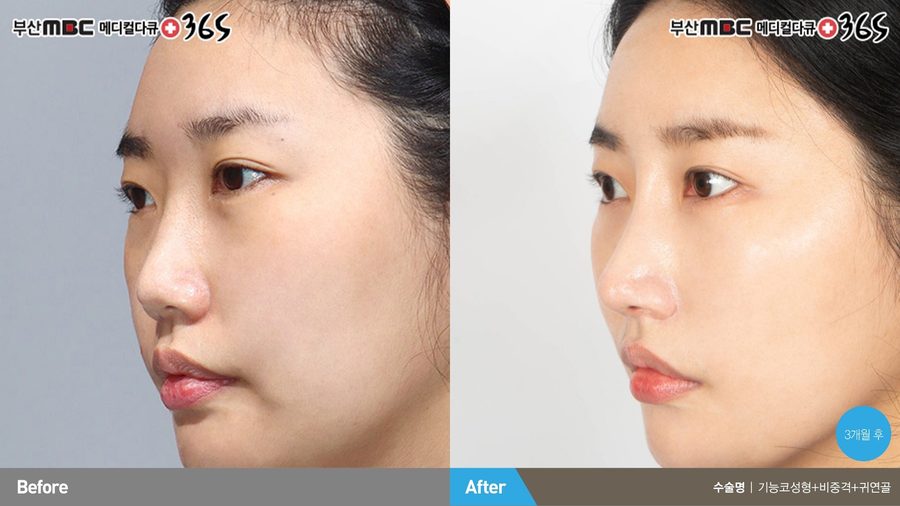
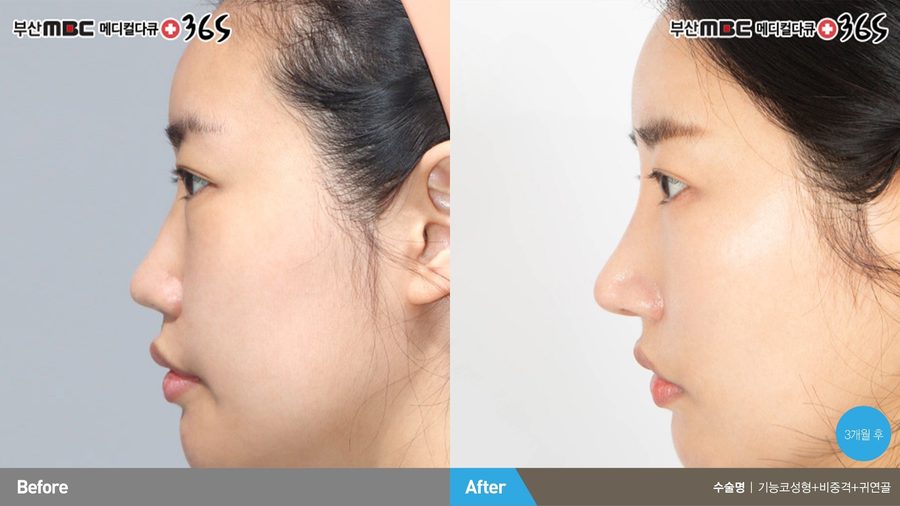
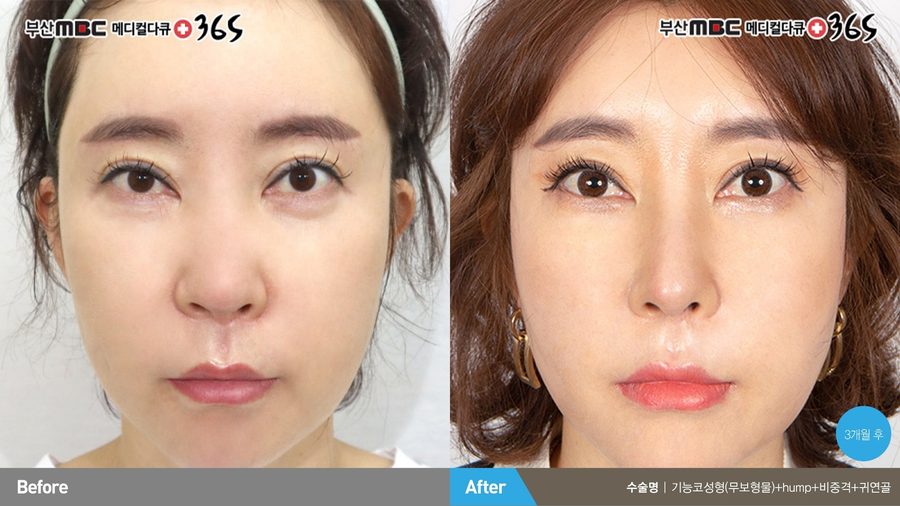
Functional Rhinoplasty · Breathing & Shape

Functional rhinoplasty in Busan, Korea — a nose that works and balances.

Functional rhinoplasty is performed to improve nasal breathing while enhancing the external appearance of the nose when appropriate. The procedure combines functional correction with aesthetic refinement to create a nose that both looks balanced and functions effectively.
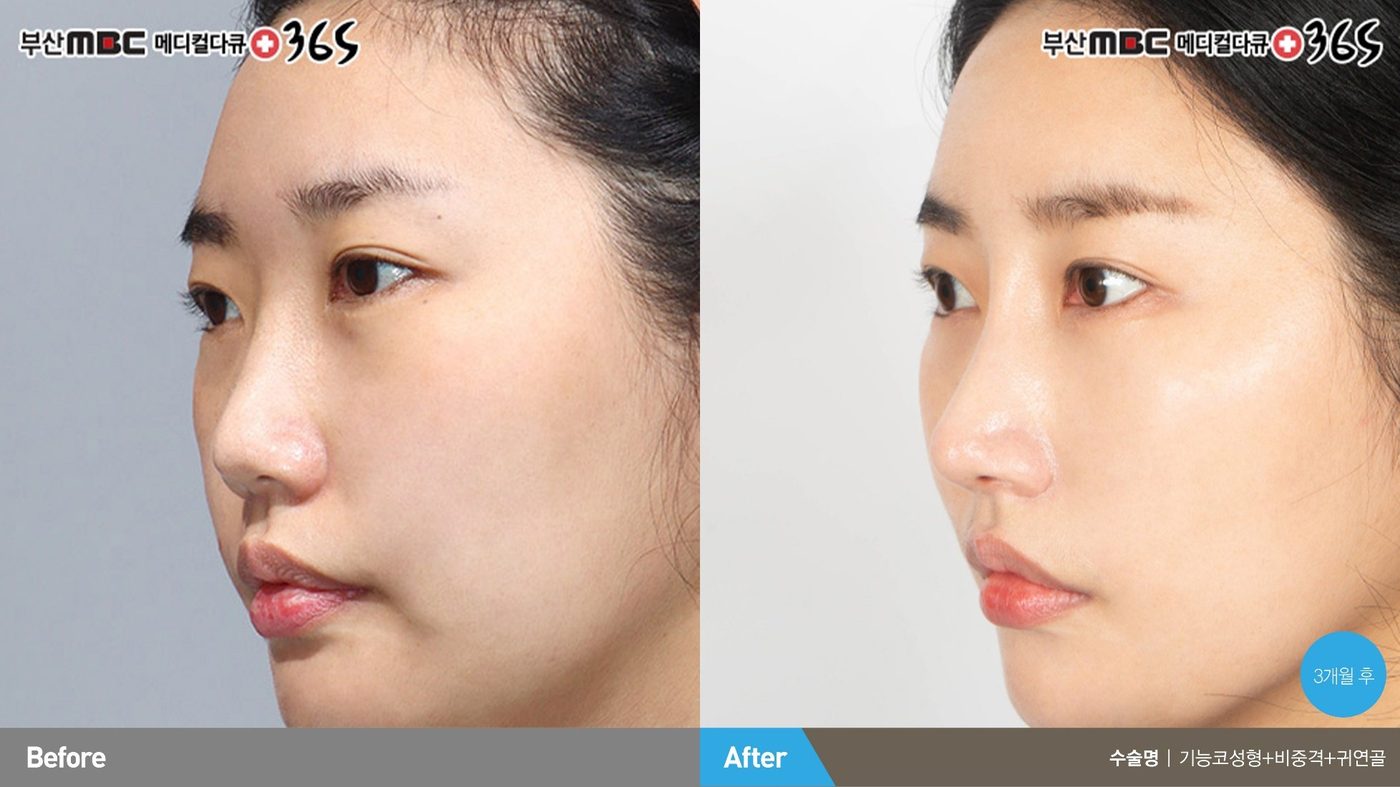
Functional rhinoplasty patient profile result at Newline Clinic in Busan, Korea
Functional Rhinoplasty
Watch: diagnosing nasal obstruction
3D simulation technology Functional breathing evaluation Endoscopic assessment Customized surgical planning Structured postoperative management
Functional Rhinoplasty at a Glance

Airflow first, appearance alongside it.

Procedure
Functional Rhinoplasty
Common Causes
Septum · Turbinates · Valve
Diagnosis
Endoscopy & CT When Indicated
Analysis
3D Facial Analysis
Approach
Functional + Cosmetic
Planning
Individualized
What Is Functional Rhinoplasty?

Correcting the structure that is restricting your airflow.

Functional rhinoplasty addresses structural causes of nasal obstruction — most commonly a deviated septum, enlarged inferior turbinates, or nasal valve narrowing. When medically appropriate, functional correction may be combined with aesthetic rhinoplasty to improve nasal symmetry, bridge contour, tip shape, and facial balance while preserving or improving breathing function.
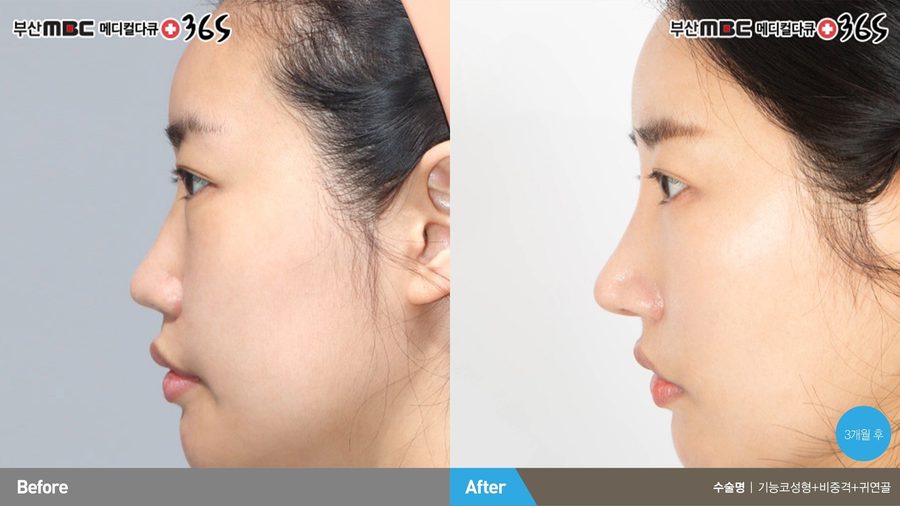
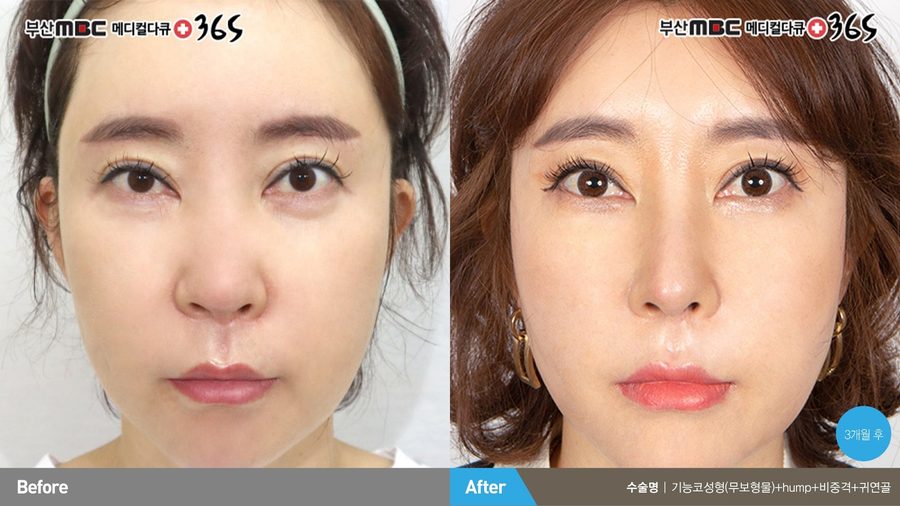
Results

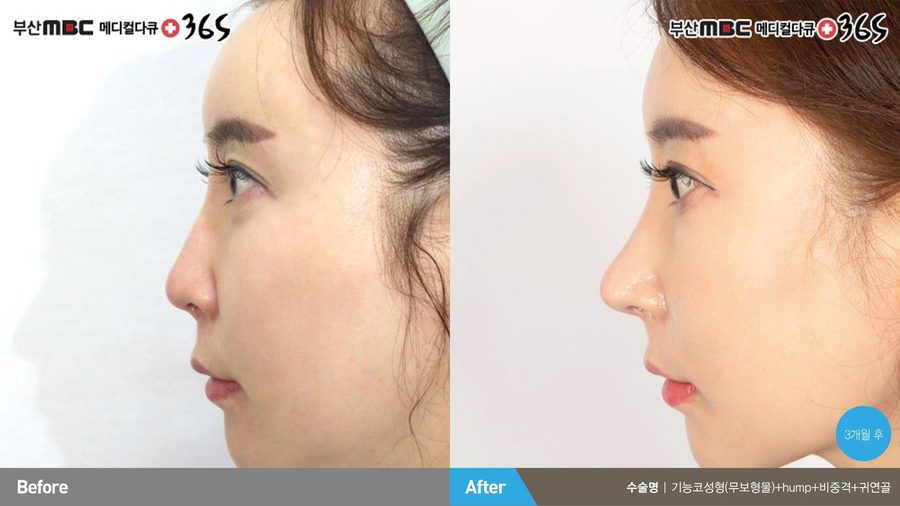
Function and balance, angle by angle.

Individual results vary. Photos are examples shown with patient consent and are not a guarantee of outcome.

Common Functional Conditions

Three structures, three different corrections.

What it isHow it may be addressed
Deviated septumA displaced septum can narrow the nasal airway and reduce airflowSeptal correction, planned after examination and imaging where indicated
Inferior turbinate hypertrophyEnlarged turbinates may contribute to chronic nasal blockageMay be treated together with septal surgery when appropriate
Nasal valve narrowingWeak or narrow nasal valves can limit airflow during breathingMay require structural reinforcement

Not all nasal obstruction is structural. Some patients require medical treatment for allergy or inflammation rather than — or alongside — surgery, which is why evaluation comes first.

When Is Functional Rhinoplasty Recommended?

Concerns that lead patients to evaluation.

Chronic Nasal Obstruction

Persistent blockage that does not resolve.

Difficulty Breathing Through the Nose

Nasal breathing feels restricted or effortful.

Deviated Nasal Septum

A displaced septum narrowing the airway.

Enlarged Inferior Turbinates

Turbinate enlargement contributing to blockage.

Nasal Valve Collapse

Internal or external nasal valve collapse limiting airflow.

Previous Nasal Trauma

Structural changes following injury.

Cosmetic + Breathing Concerns

Aesthetic concerns combined with breathing problems.

Functional and Cosmetic Treatment

What a combined approach can improve.

Nasal Symmetry

Symmetry may be improved alongside functional correction.

Bridge Contour

The nasal bridge contour can be refined.

Tip Shape

Tip shape is addressed as part of the aesthetic plan.

Facial Balance

The nose is planned in relation to overall facial balance.

Preserved Breathing

All while preserving or improving breathing function.

Functional correction may be combined with aesthetic rhinoplasty only when medically appropriate, determined after evaluation.

Who May Benefit?

Candidates are evaluated individually.

You may be a candidate if you

  • Experience chronic nasal obstruction
  • Have difficulty breathing through the nose
  • Have a deviated septum or enlarged turbinates
  • Have internal or external nasal valve collapse
  • Have a history of nasal trauma
  • Have cosmetic concerns combined with breathing problems

A consultation determines your plan

  • Not all congestion is caused by nasal structure
  • Imaging is used when clinically indicated, not routinely
  • Combining cosmetic changes depends on medical appropriateness
  • Insurance coverage depends on diagnosis, policy, and documentation

A consultation, examination, and — when indicated — endoscopy or CT imaging are required to identify the cause of obstruction.

From Consultation to Follow-Up

Your functional rhinoplasty journey.

01

Nasal Examination

Your external and internal nose is examined alongside your symptoms.

Step Examination
02

Functional Breathing Assessment

Breathing function is assessed to identify what is restricting airflow.

Step Assessment
03

Endoscopy & Imaging

Endoscopic examination and CT imaging when indicated confirm the structural cause.

Step When indicated
04

3D Facial Analysis

3D facial analysis supports aesthetic planning alongside functional correction.

Step Analysis
05

Surgery

Functional correction is performed, combined with aesthetic rhinoplasty when medically appropriate.

Step The procedure
06

Follow-Up

Follow-up visits help monitor recovery and nasal function.

Step Ongoing care
Recovery and Aftercare

Recovery varies by procedures performed.

Swelling

Temporary swelling is common during early healing.

Congestion

Temporary congestion is common as internal tissues heal.

Bruising & Discomfort

Bruising and discomfort are common early and improve gradually.

Function Monitoring

Follow-up visits help monitor recovery and nasal function.

Recovery varies according to the procedures performed. Your surgeon provides a personalized timeline.

Inside Newline

Meet the team & clinic.

A message from the surgeon, a look inside the clinic, and stories from patients.

Message from the plastic surgeon at Newline Clinic
Meet the surgeon
Imaging & endoscopy
Newline Clinic tour in Busan
Clinic tour

Set each block's data-video to your YouTube video ID to enable playback.

Dr. Son Hee-dong, plastic surgeon at Newline Clinic Busan Surgeon Portrait
About Your Surgeon

Dr. Son Hee-dong,
plastic
surgeon.

A blocked nose has several possible causes, and they are not interchangeable.

Septum, turbinate, valve — each needs a different correction, which is why the examination decides the operation, not the other way around.

  • Board-certified plastic surgeon · MD, PhD
  • Doctorate in Medicine, Dong-A University Graduate School
  • Clinical Professor, Dept. of Plastic Surgery, Dong-A University Hospital
  • Full member — Korean Society of Plastic and Reconstructive Surgeons, Korean Society for Aesthetic Plastic Surgery, Korean Rhinoplasty Society
  • Experience in functional and aesthetic rhinoplasty
  • Consultation in Korean, English, Japanese and Chinese
View Full Profile
Frequently Asked

Functional Rhinoplasty in Busan
questions.

What is the difference between functional and cosmetic rhinoplasty?
Functional rhinoplasty is performed to improve nasal breathing, addressing structural causes such as a deviated septum, enlarged turbinates, or nasal valve narrowing. Cosmetic rhinoplasty focuses on appearance. When medically appropriate, the two may be combined.
Can breathing problems be corrected during cosmetic rhinoplasty?
Yes. When medically appropriate, functional correction may be combined with aesthetic rhinoplasty to improve nasal symmetry, bridge contour, tip shape, and facial balance while preserving or improving breathing function.
What causes nasal obstruction?
Common structural causes include a deviated septum, inferior turbinate hypertrophy, and nasal valve narrowing. Previous nasal trauma may also contribute. Not all congestion is structural, so evaluation is required.
How long is recovery?
Recovery varies according to the procedures performed. Temporary swelling, congestion, bruising, and discomfort are common during early healing, and follow-up visits help monitor recovery and nasal function.
Will insurance cover functional nasal surgery?
Coverage depends on the diagnosis, insurer, policy, and documentation, and cosmetic portions are generally excluded. Confirm directly with your insurer before surgery rather than assuming coverage.
What imaging is needed before surgery?
Evaluation may include nasal examination, functional breathing assessment, 3D facial analysis, CT imaging when indicated, and endoscopic examination. Imaging is used when clinically indicated rather than routinely.
What is nasal valve narrowing?
Weak or narrow nasal valves can limit airflow during breathing and may require structural reinforcement.
Can turbinates and septum be treated together?
Enlarged turbinates may contribute to chronic nasal blockage and may be treated together with septal surgery when appropriate.
Is improved breathing guaranteed?
No. Improvement depends on the underlying cause, your anatomy, and healing. Surgery addresses structural problems, but individual outcomes vary and cannot be guaranteed.
Struggling to Breathe Through Your Nose?

Start with a
functional evaluation.

Nasal examination, functional breathing assessment, 3D facial analysis, endoscopic examination, and CT imaging when indicated — because the correct operation depends on which structure is actually restricting your airflow.

Visit the clinic

Find Newline in Busan.

Newline Clinic
40 Bujeon-ro 66beon-gil, Floors 2–5
Busanjin-gu, Busan 47287
Republic of Korea

+82 51 806 0100 · WhatsApp

Get Directions

Individual results and recovery experiences vary. This page is provided for general educational purposes and does not constitute a diagnosis, treatment recommendation, or guarantee of surgical results. Not all nasal obstruction is caused by nasal structure, and improvement in breathing cannot be guaranteed. Insurance coverage for functional nasal surgery depends on diagnosis, policy, documentation, and jurisdiction, and should be confirmed with your insurer. All surgical procedures involve potential risks, including bleeding, infection, asymmetry, persistent obstruction, septal perforation, altered sensation or smell, scarring, dissatisfaction with the outcome, and the possible need for revision surgery. The appropriate treatment and expected outcome can only be determined following an in-person examination and consultation with a qualified medical professional. Newline Clinic is licensed under the Korean Medical Service Act.

Request a Consultation

Tell us what you're considering.

Send your details and our international team will get back to you. No obligation — just a starting point.

Our international team replies in English, Japanese and Chinese — usually within one business day.