Rhinitis Rhinoplasty · Functional Nose Surgery

Rhinitis rhinoplasty in Korea — treating why you cannot breathe.

Rhinitis rhinoplasty combines functional nasal surgery for chronic rhinitis or nasal obstruction with cosmetic rhinoplasty when clinically appropriate. The goal is to improve nasal breathing while enhancing the appearance of the nose through a personalized treatment plan.
Natural nasal profile after rhinitis rhinoplasty at Newline Clinic
Rhinitis
Watch: diagnosing chronic nasal obstruction
Advanced 3D CT and nasal endoscopyIndividualized functional diagnosisCombined functional and cosmetic rhinoplastyPersonalized surgical planningStructured postoperative care
Rhinitis Rhinoplasty at a Glance

Inflammation and structure, assessed together.

Condition
Chronic Rhinitis
Forms
Allergic · Vasomotor
Structural Factors
Turbinate · Septum · Valve
Imaging
3D CT
Assessment
Nasal Endoscopy
Combined
Function & Cosmetic
What Is Rhinitis?

Inflammation is often only half of the problem.

Rhinitis is inflammation of the nasal lining that can cause congestion, rhinorrhea, sneezing, and difficulty breathing. Common forms include non-allergic (vasomotor) rhinitis and allergic rhinitis. Many patients also have structural problems such as turbinate enlargement, septal deviation, or nasal valve narrowing that contribute to persistent symptoms — which is why treatment is customized according to the underlying cause.
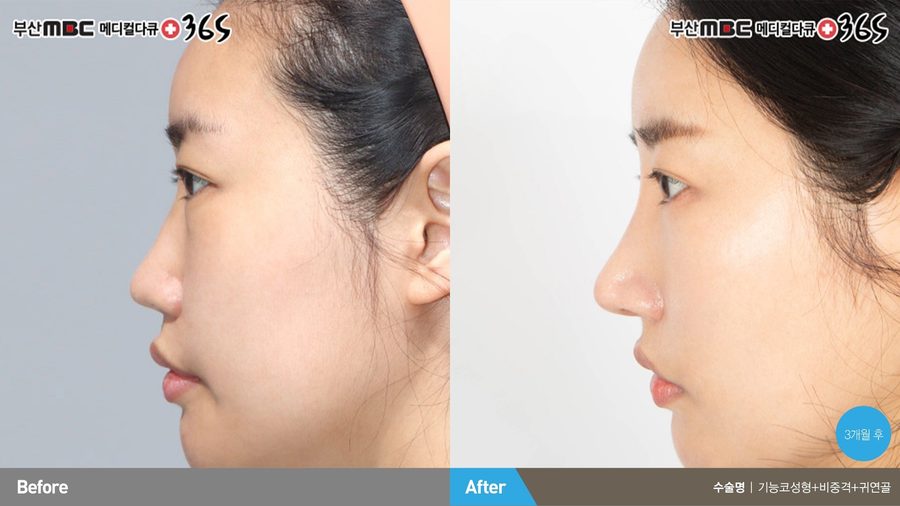
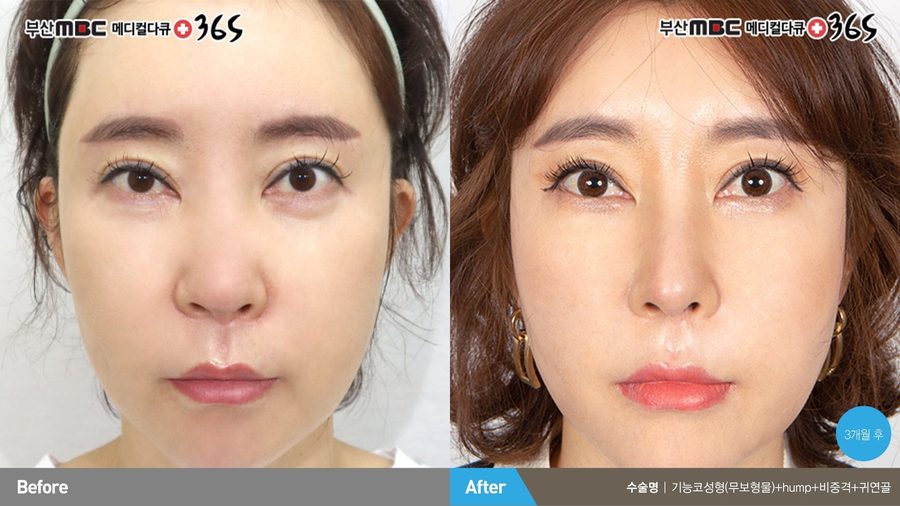
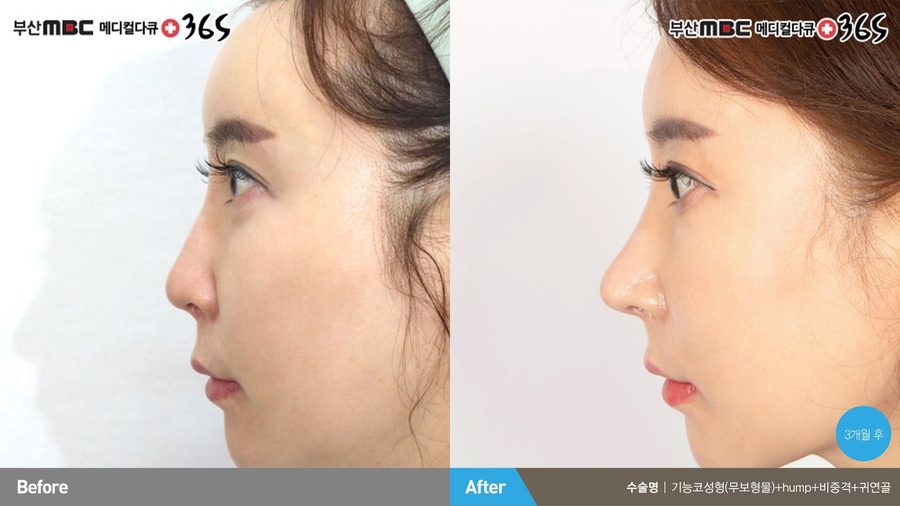
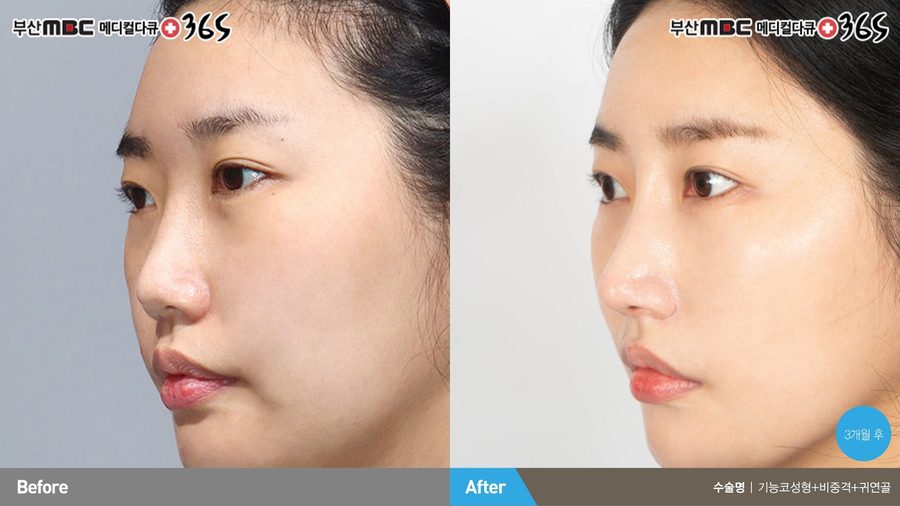
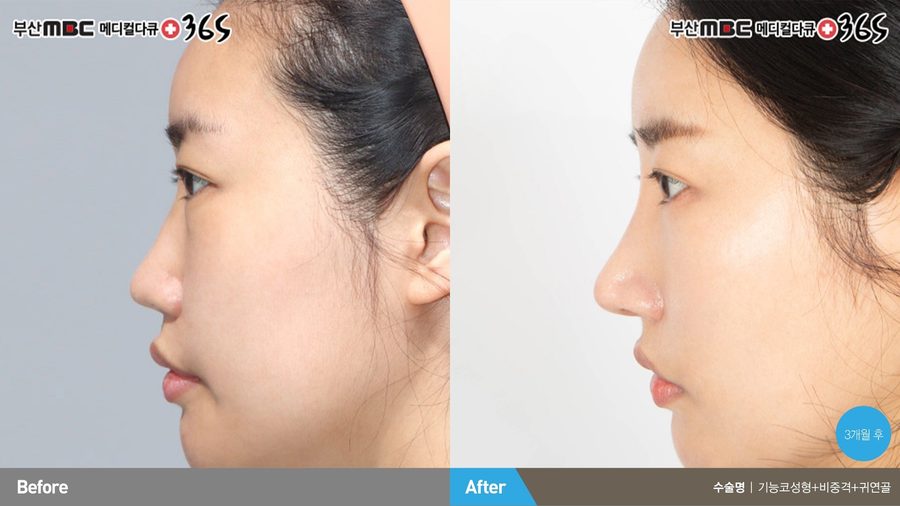
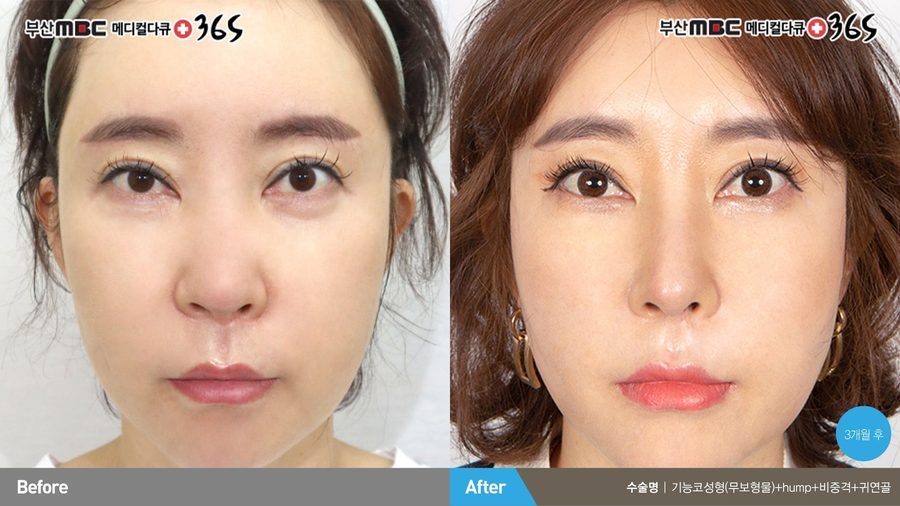
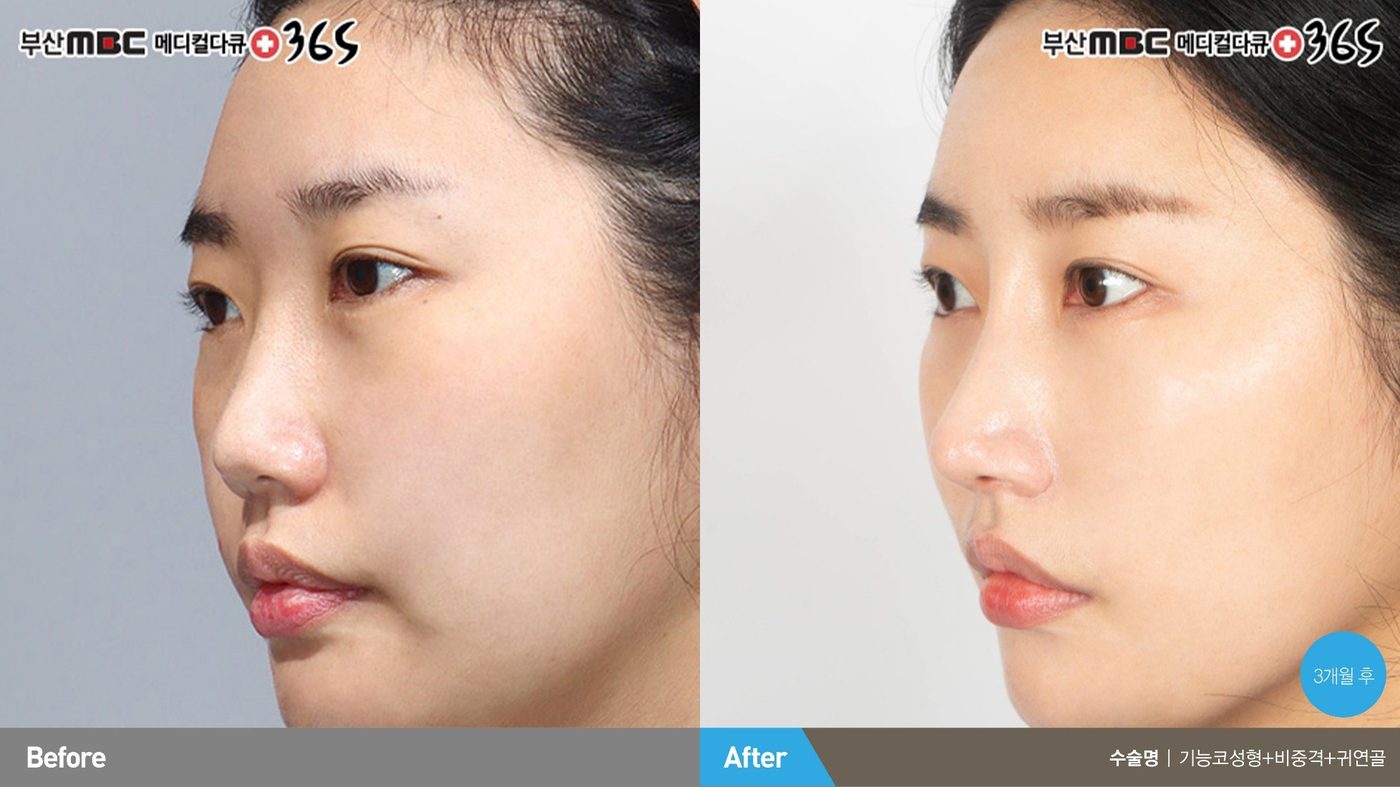
Results

Breathing and appearance, angle by angle.

Individual results vary. Photos are examples shown with patient consent and are not a guarantee of outcome.

Treatment Approach

Four elements, matched to the cause.

01

Inferior Turbinate Reduction

Enlarged turbinates are a common structural contributor to persistent obstruction, and reduction may form part of the plan.

Focus Turbinate enlargement
02

Septal Correction

Septal correction is performed when indicated, where septal deviation contributes to the obstruction.

Focus When indicated
03

Functional Airway Reconstruction

Functional airway reconstruction addresses the structural causes identified during evaluation.

Focus Structural causes
04

Combined Cosmetic Rhinoplasty

Cosmetic rhinoplasty may be performed during the same operation when appropriate, improving appearance alongside breathing.

Focus Same operation
Comprehensive Diagnosis

What the evaluation looks for.

What it means in practice
3D CT imagingThe structure of the nasal airway is assessed with imaging
Nasal endoscopyThe nasal lining and airway are examined directly
Physical examinationClinical examination supports the functional diagnosis
Functional airway assessmentHow you actually breathe is assessed, not only how the nose looks

Treatment recommendations depend on each patient's anatomy and goals. A consultation and examination are required before any procedure is recommended.

Why Newline

Why patients choose Newline.

Advanced 3D CT and Nasal Endoscopy

Imaging and endoscopy identify the structural contributors.

Individualized Functional Diagnosis

The underlying cause is established before treatment is planned.

Combined Functional and Cosmetic Rhinoplasty

Both can be addressed in the same operation when appropriate.

Structured Postoperative Care

Follow-up monitors both airway function and cosmetic outcomes.

Benefits

What the approach aims to achieve.

Improved Nasal Breathing

The structural causes of obstruction are addressed.

Reduced Nasal Obstruction

Turbinate, septal, and valve factors are treated where indicated.

Better Airflow in Daily Activities

Airflow is assessed against everyday breathing.

Functional and Aesthetic Together

Simultaneous improvement when clinically appropriate.

Patient Selection

Candidates are evaluated individually.

An assessment helps if you

  • Have chronic rhinitis or persistent nasal obstruction
  • Experience congestion, rhinorrhea, or sneezing
  • Have turbinate enlargement, septal deviation, or nasal valve narrowing
  • Find breathing difficult during daily activities
  • Want to address breathing and appearance together

What determines the plan

  • The underlying cause of your symptoms
  • Whether rhinitis is allergic or non-allergic (vasomotor)
  • Structural findings on 3D CT and nasal endoscopy
  • Whether combined cosmetic surgery is clinically appropriate
  • Your medical suitability for surgery and anesthesia

Treatment recommendations depend on each patient's anatomy and goals. A consultation and examination are required.

Recovery

Recovery follows the procedures performed.

Procedure-Dependent

Recovery depends on the procedures performed.

Early Healing

Temporary swelling, congestion, bruising, and mild discomfort are expected.

Airway and Aesthetics Monitored

Follow-up visits monitor both airway function and cosmetic outcomes.

Structured Care

Postoperative care is structured around your procedure.

Your surgeon provides a recovery timeline based on the specific procedure rather than a single universal schedule.

Inside Newline

Meet the team & clinic.

A message from the surgeon, a look inside the clinic, and stories from patients.
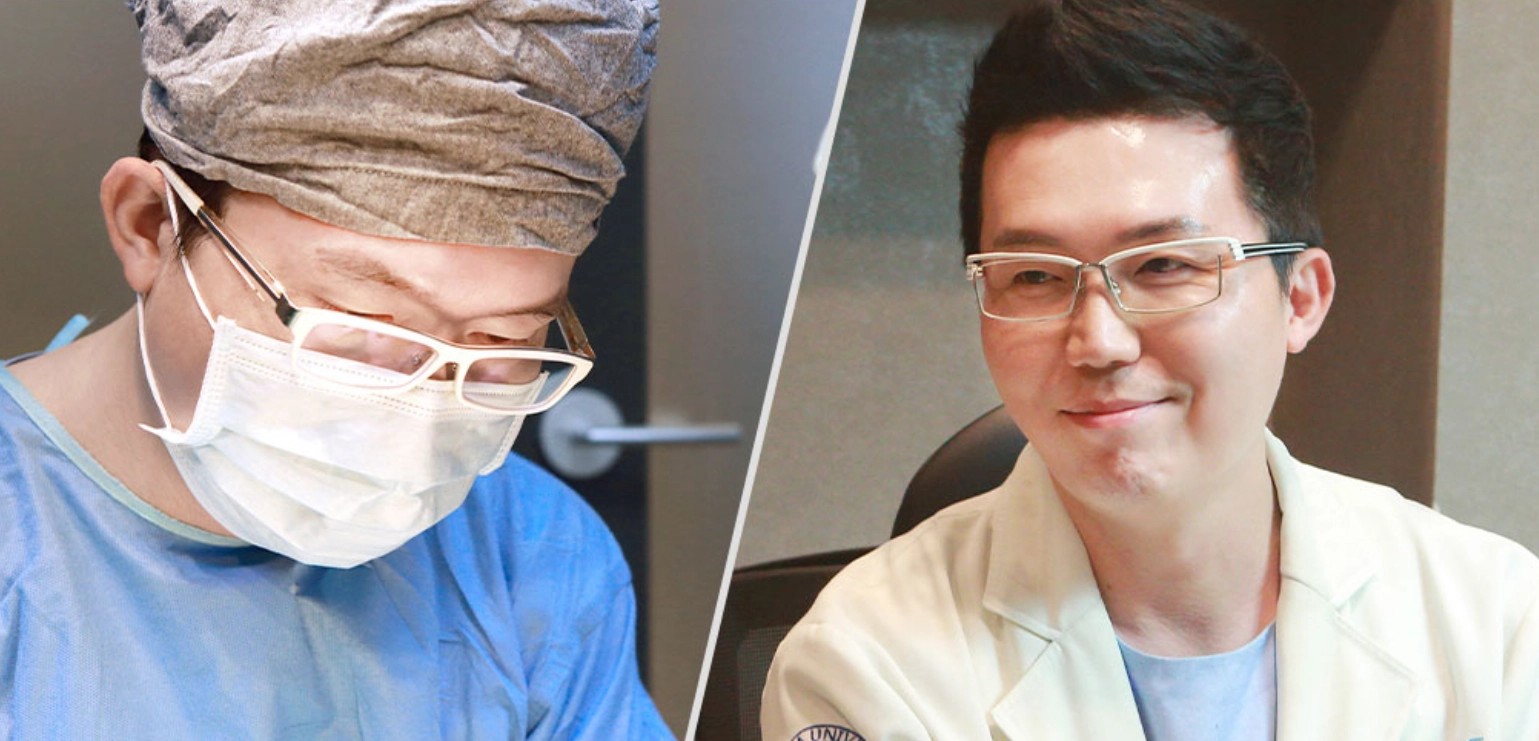
Message from the rhinoplasty surgeon at Newline Clinic
Meet the surgeon
Newline Clinic tour in Busan
Clinic tour
Patient story

Set each block's data-video to your YouTube video ID to enable playback.

Rhinoplasty surgeon at Newline Clinic Busan Surgeon Portrait
About Your Surgeon

Dr. Son Hee-dong,
plastic
surgeon.

Patients are told for years that it is just allergies.

Often the lining is inflamed and the turbinate is enlarged and the septum is deviated — and treating one of those three while ignoring the others is why the congestion always comes back.

  • Board-certified plastic surgeon · MD, PhD
  • Doctorate in Medicine, Dong-A University Graduate School
  • Clinical Professor, Dept. of Plastic Surgery, Dong-A University Hospital
  • Full member — Korean Society of Plastic and Reconstructive Surgeons, Korean Society for Aesthetic Plastic Surgery, Korean Rhinoplasty Society
  • Experience in functional rhinoplasty and combined nasal surgery
  • Consultation in Korean, English, Japanese and Chinese
View Full Profile
Frequently Asked

Rhinitis Rhinoplasty in Busan
questions.

Can chronic rhinitis be treated surgically?
Rhinitis rhinoplasty combines functional nasal surgery for chronic rhinitis or nasal obstruction with cosmetic rhinoplasty when clinically appropriate. Treatment is customized according to the underlying cause and may include inferior turbinate reduction, septal correction when indicated, and functional airway reconstruction.
What is turbinate reduction?
Inferior turbinate reduction is one of the listed treatment elements. Turbinate enlargement is described as a structural problem that can contribute to persistent symptoms alongside inflammation of the nasal lining.
Can breathing and appearance be improved in one surgery?
Cosmetic rhinoplasty may be performed during the same operation when appropriate, and simultaneous functional and aesthetic improvement is listed among the benefits.
Is 3D CT necessary?
3D CT imaging is listed as part of the evaluation alongside nasal endoscopy, physical examination, and functional airway assessment. Which studies are indicated depends on your case.
How long is recovery?
Recovery depends on the procedures performed. Temporary swelling, congestion, bruising, and mild discomfort are expected during early healing, and follow-up visits monitor both airway function and cosmetic outcomes.
What is rhinitis?
Rhinitis is inflammation of the nasal lining that can cause congestion, rhinorrhea, sneezing, and difficulty breathing. Common forms include non-allergic (vasomotor) rhinitis and allergic rhinitis.
Why do my symptoms persist despite treatment?
Many patients also have structural problems such as turbinate enlargement, septal deviation, or nasal valve narrowing that contribute to persistent symptoms. Evaluation helps identify which anatomical factors are affecting airflow.
What does the diagnosis identify?
The studies help identify enlarged turbinates, septal deviation, nasal valve problems, and other anatomical factors affecting airflow.
Is septal correction always performed?
Septal correction is performed when indicated. Treatment is customized according to the underlying cause rather than applied as a fixed combination.
Blocked Nose That Never Clears?

Start with a
functional diagnosis.

Evaluation with 3D CT imaging, nasal endoscopy, physical examination, and functional airway assessment identifies the anatomical factors affecting your airflow — so treatment follows the cause.

Visit the clinic

Find Newline in Busan.

Newline Clinic
40 Bujeon-ro 66beon-gil, Floors 2–5
Busanjin-gu, Busan 47287
Republic of Korea

+82 51 806 0100 · WhatsApp

Get Directions

Individual results and recovery experiences vary. This page is provided for general educational purposes and does not constitute a diagnosis, treatment recommendation, or guarantee of surgical results. All surgical procedures involve potential risks, including bleeding, infection, adverse reaction to anesthesia, asymmetry, scarring, altered sensation, dissatisfaction with the outcome, and the possible need for additional treatment. The appropriate procedure and expected outcome can only be determined following an in-person examination and consultation with a qualified medical professional. Newline Clinic is licensed under the Korean Medical Service Act.

Request a Consultation

Tell us what you're considering.

Send your details and our international team will get back to you. No obligation — just a starting point.

Our international team replies in English, Japanese and Chinese — usually within one business day.