01
Harvest Autologous Cartilage
Cartilage is harvested when required — septal, ear, or rib cartilage where appropriate.
NewGel Nose Surgery is a rhinoplasty technique designed to create a refined, natural-looking nose using primarily autologous tissue and a minimally visible internal incision, with individualized design, structural support, and reduced reliance on synthetic implants.
Cartilage, biologic adhesive, and a hidden internal incision.
According to the clinic's brochure, the procedure combines autologous cartilage (septal, ear, or rib cartilage when appropriate), an autologous biologic adhesive derived from the patient's own blood, a closed or minimally visible internal incision, and implant-free structural rhinoplasty whenever suitable. The goal is to enhance nasal shape while maintaining harmony with your facial proportions.
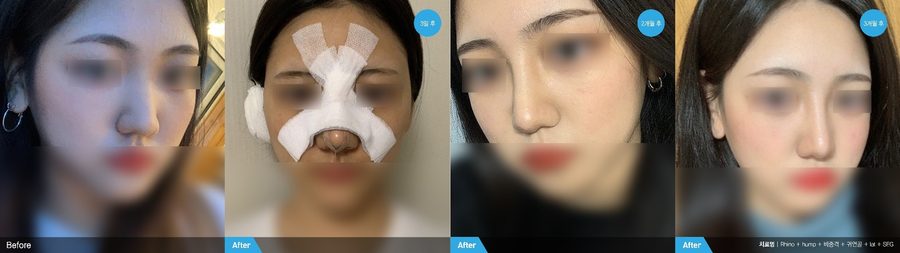
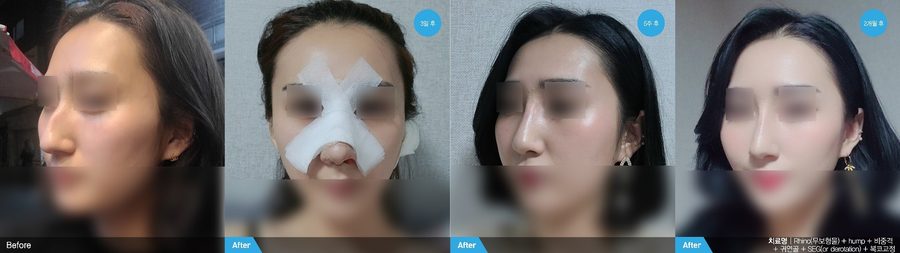
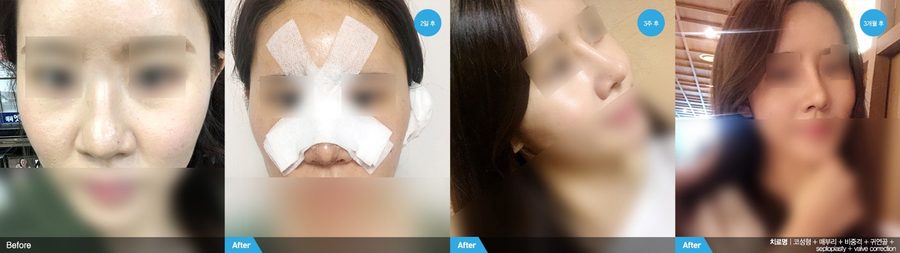
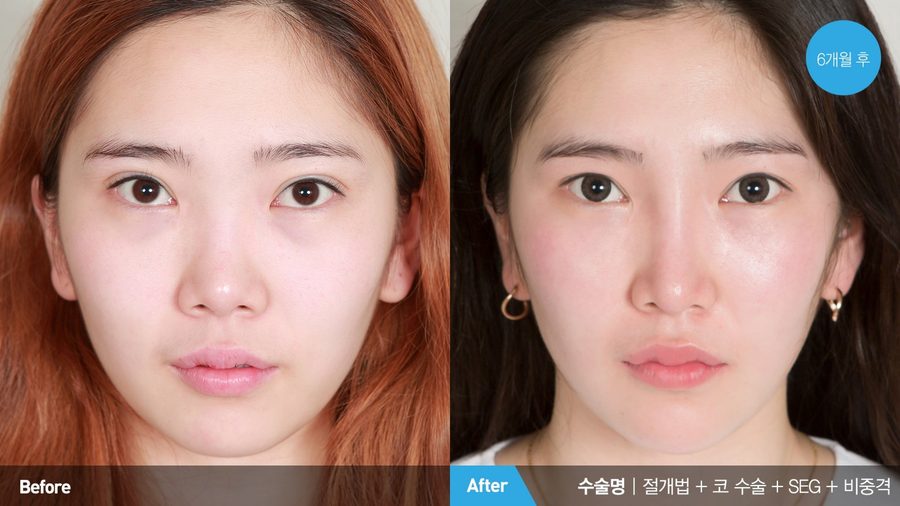
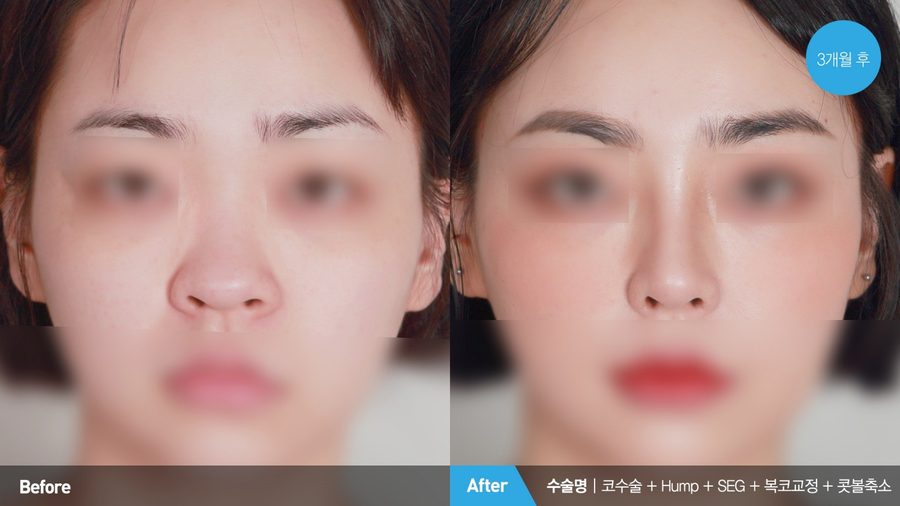
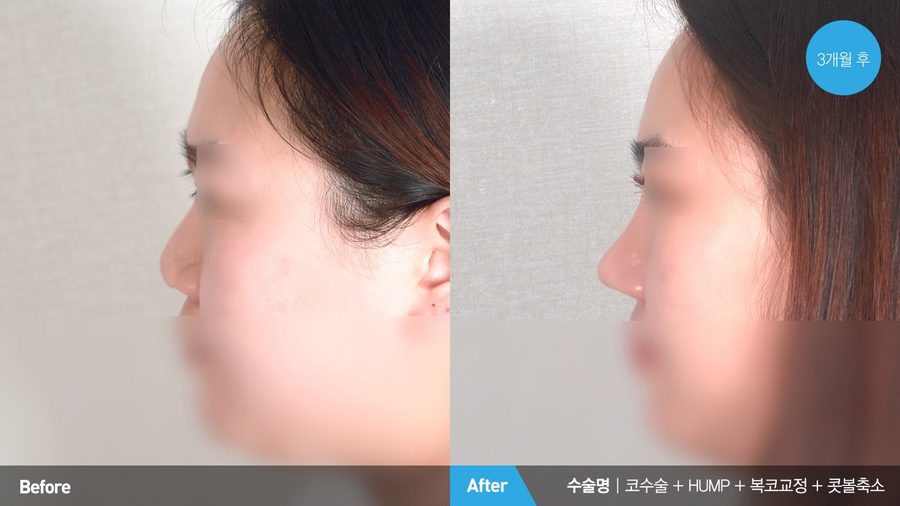
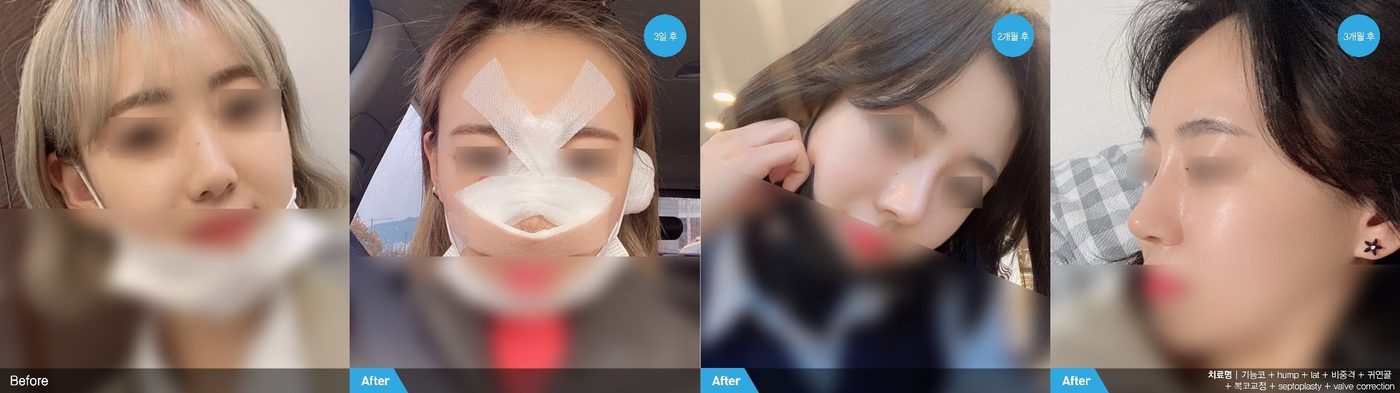
Individual results vary. Photos are standardized examples shown with patient consent and are not a guarantee of outcome.
Cartilage is harvested when required — septal, ear, or rib cartilage where appropriate.
The graft is prepared to the desired shape.
Autologous biologic adhesive is prepared from the patient's blood.
The nasal bridge and tip are designed through a small internal incision.
Structural refinement is completed with individualized graft placement.
| What it means in practice | |
|---|---|
| Personalized nose design | One-to-one design rather than a standard shape |
| Hidden internal incision | A closed or minimally visible internal incision |
| Reduced use of synthetic implants | Implant-free structural rhinoplasty whenever suitable |
| Natural structural support | Support comes from your own cartilage grafts |
| Facial harmony-focused planning | The nose is designed in relation to your facial proportions |
A closed approach is not suitable for every patient or every correction. Suitability depends on the degree of change required, your anatomy, cartilage availability, and whether the case is primary or revision.
The nose is planned in relation to your overall facial proportions.
The nasal bridge and tip are assessed separately before design.
Skin thickness influences achievable definition and technique.
How much usable cartilage you have determines what is possible.
The surgical plan is built from these findings, supported by 3D CT evaluation.
A consultation, examination, and 3D CT evaluation are required to determine whether this approach is appropriate for you.
Temporary swelling is common during early recovery.
Bruising is common and improves as healing progresses.
Temporary congestion is common as internal tissues heal.
Follow-up appointments monitor healing and outcomes.
Recovery varies according to the extent of surgery and individual healing. Your surgeon provides a personalized timeline.
A message from the surgeon, a look inside the clinic, and stories from patients.
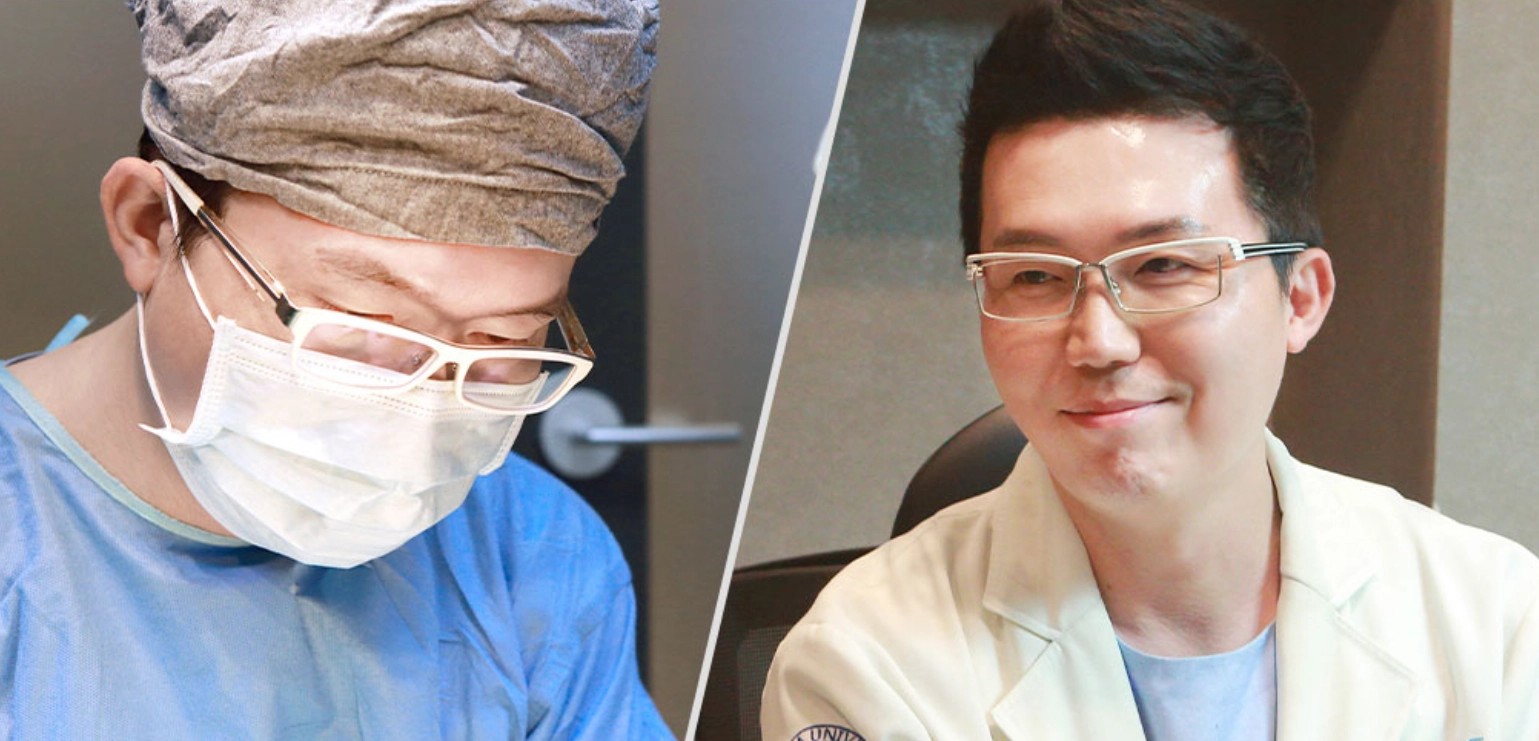

Set each block's data-video to your YouTube video ID to enable playback.
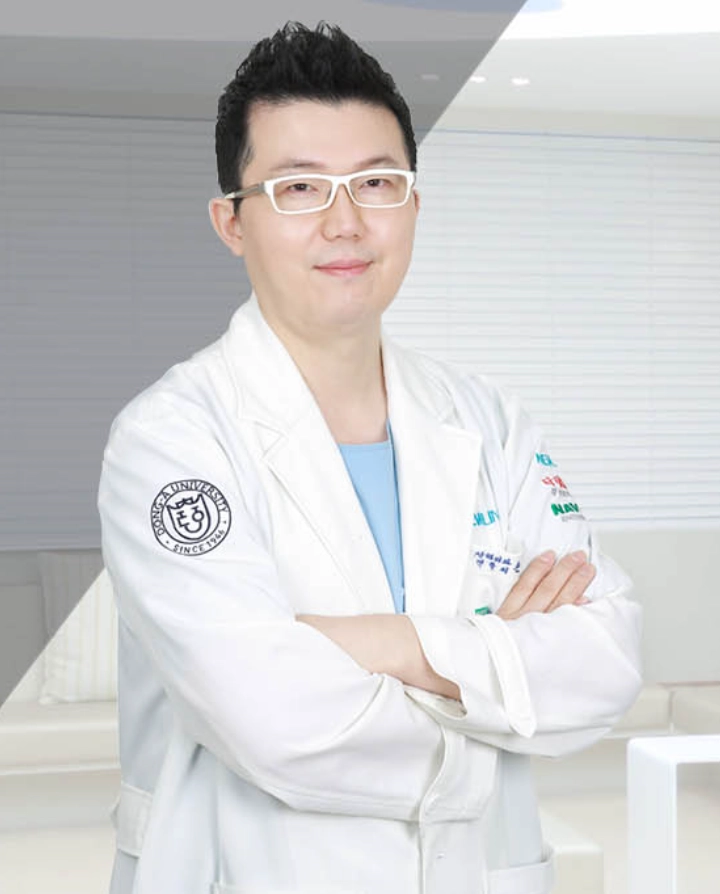 Surgeon Portrait
A closed approach hides the incision — it does not simplify the work.
The graft still has to be shaped precisely and placed blind, which is why cartilage availability and planning matter more here, not less.
Facial proportion analysis, bridge and tip assessment, skin thickness evaluation, and cartilage availability assessment determine whether a closed, implant-free approach suits your nose.
Individual results and recovery experiences vary. This page is provided for general educational purposes and does not constitute a diagnosis, treatment recommendation, or guarantee of surgical results. Descriptions of the technique, including the use of autologous biologic adhesive, reflect the clinic's brochure and should be confirmed during consultation. A closed approach is not suitable for every patient or correction. All surgical procedures involve potential risks, including bleeding, infection, asymmetry, persistent swelling, contour irregularity, graft warping, absorption or displacement, donor-site complications, altered sensation or smell, breathing changes, dissatisfaction with the outcome, and the possible need for revision surgery. The appropriate technique and expected outcome can only be determined following an in-person examination and consultation with a qualified medical professional. Newline Clinic is licensed under the Korean Medical Service Act.
Send your details and our international team will get back to you. No obligation — just a starting point.