01
Medical History Review
Your previous surgery, implant information, and how the concern developed.
Breast revision surgery is performed to improve or correct the outcome of a previous breast augmentation or reconstruction. The procedure is highly individualized and may address implant-related concerns, cosmetic dissatisfaction, or anatomical changes that develop over time.
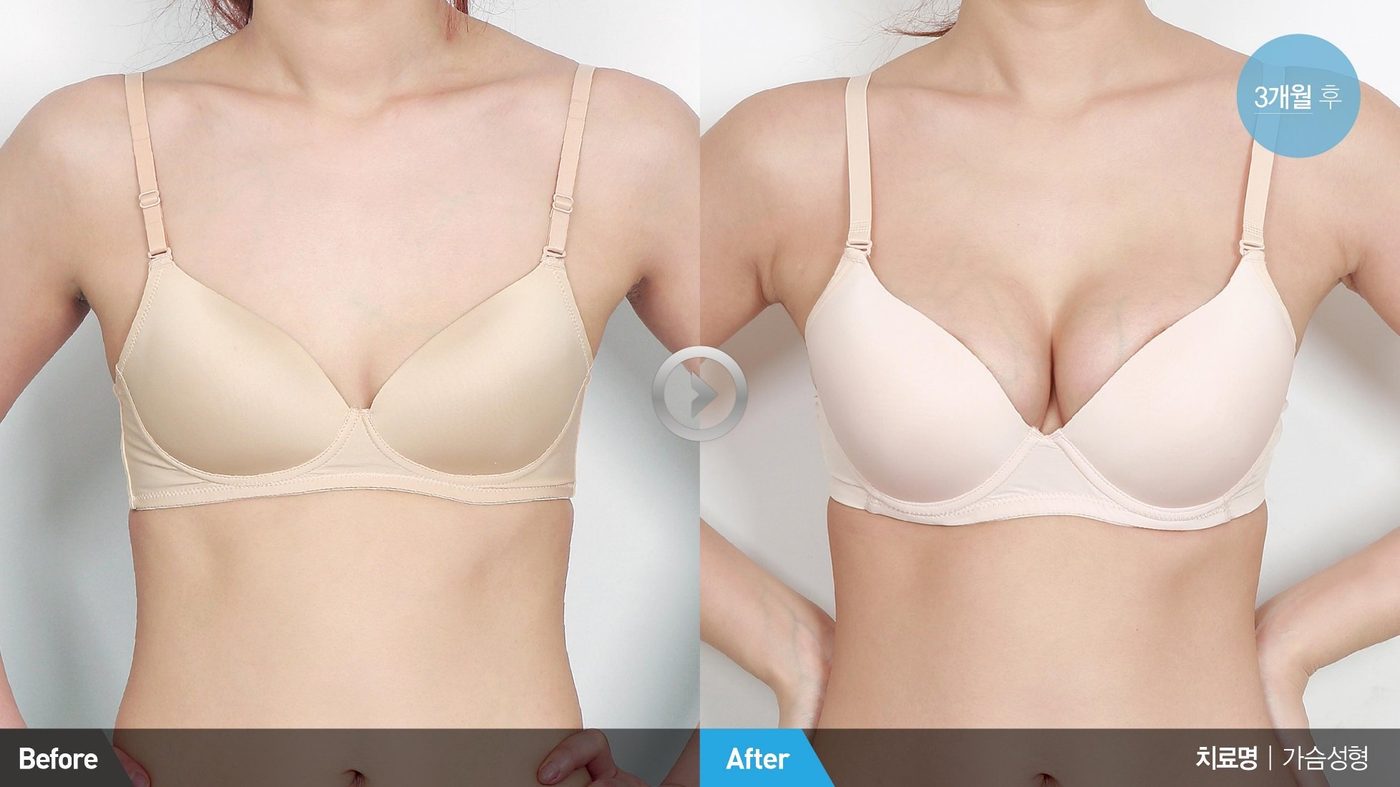
Improving or correcting the outcome of a previous breast surgery.
Revision surgery may address implant-related concerns, cosmetic dissatisfaction, or anatomical changes that develop over time after a previous augmentation or reconstruction. Common reasons include capsular contracture, implant rupture, implant rippling, and unsatisfactory breast shape. Because every revision is different, the plan begins with medical history review, implant assessment, physical examination, and breast imaging when indicated.
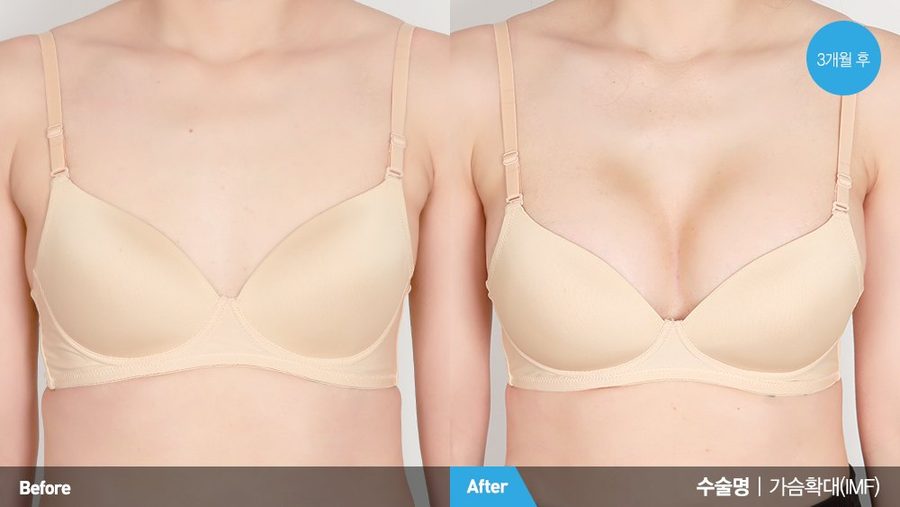

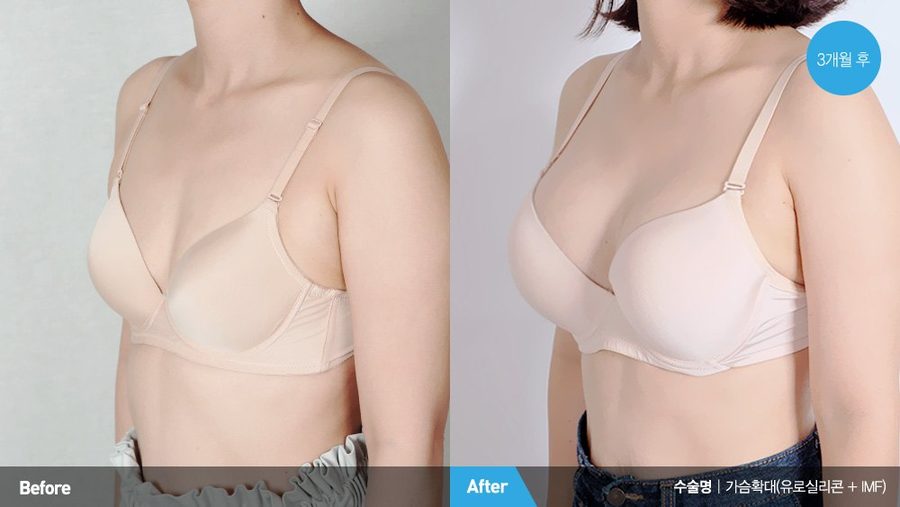
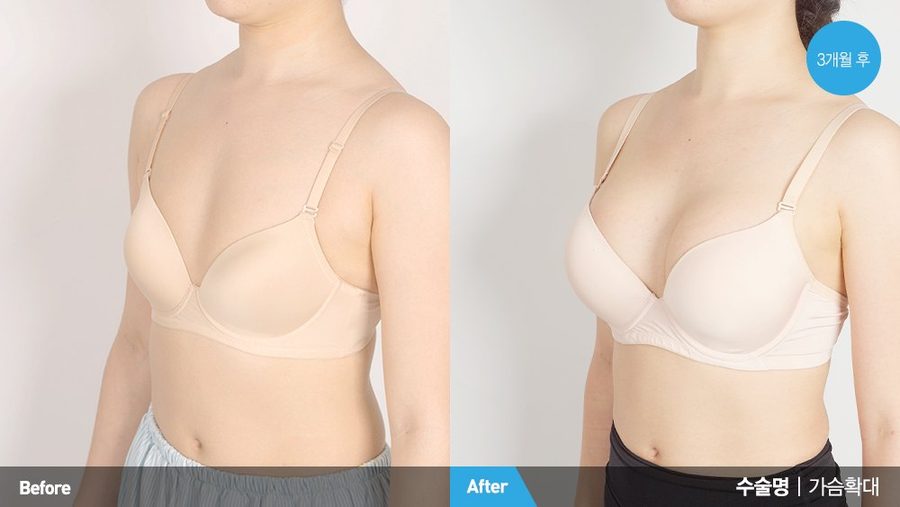

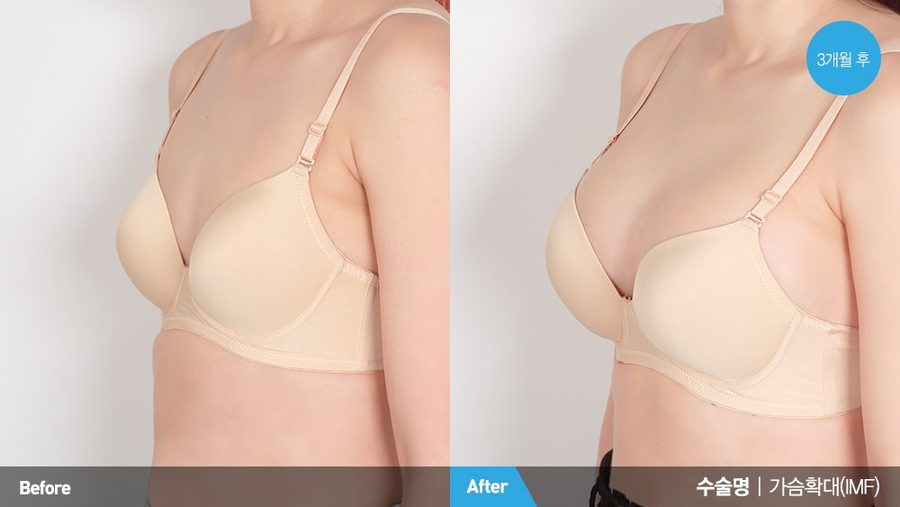
Individual results vary. Photos are examples shown with patient consent and are not a guarantee of outcome.
Complications experienced after a primary breast procedure.
Dissatisfaction with the resulting breast size or shape.
The implant sits in a position that affects appearance or symmetry.
Scar tissue around the implant tightens, making the breast feel firm and altering its shape.
If an implant is damaged, replacement or removal may be recommended after clinical evaluation and imaging.
Visible or palpable implant folds may occur, particularly in patients with thin soft tissue coverage.
Some patients wish to change implant size or type over time.
Revision can address asymmetry, implant position, contour irregularities, or aesthetic concerns depending on the underlying cause.
| What it is | How it may be addressed | |
|---|---|---|
| Capsular contracture | Scar tissue around the implant tightens, making the breast feel firm and altering its shape | Planned individually after clinical evaluation of the capsule and breast |
| Implant rupture | The implant is damaged | Replacement or removal may be recommended after clinical evaluation and imaging |
| Implant rippling | Visible or palpable implant folds | Particularly relevant with thin soft tissue coverage; addressed based on the underlying cause |
| Unsatisfactory shape | Asymmetry, implant position, or contour irregularities | Revision can address these depending on the underlying cause |
Revision surgery is highly individualized. The appropriate approach depends on the cause, your anatomy, the existing implant, and the condition of the surrounding tissue.
Your previous surgery, materials used, and how the concern developed.
Evaluation of the existing implant and its condition.
Assessment of breast shape, position, soft tissue coverage, and symmetry.
Imaging, including ultrasound, when clinically indicated.
What you want corrected and what is realistically achievable.
A surgical plan built for your specific cause and anatomy.
A consultation, examination, and — when indicated — imaging are required to determine the available options.
Your previous surgery, implant information, and how the concern developed.
Evaluation of the existing implant, its position, and its condition.
Breast shape, symmetry, soft tissue coverage, and capsule are examined.
Ultrasound and other imaging when clinically indicated to identify the underlying cause.
Goals are discussed and a plan is developed, supported by 3D simulation technology.
Reduced-discomfort surgical techniques with structured postoperative management.
Recovery depends on the complexity of the revision surgery performed.
Whether implants are exchanged or removed affects the recovery course.
If additional procedures are performed, recovery may differ accordingly.
Newline provides structured postoperative management and follow-up.
Because revision varies so widely, your surgeon provides a recovery timeline based on your specific procedure rather than a general schedule.
A message from the surgeon, a look inside the clinic, and stories from patients.
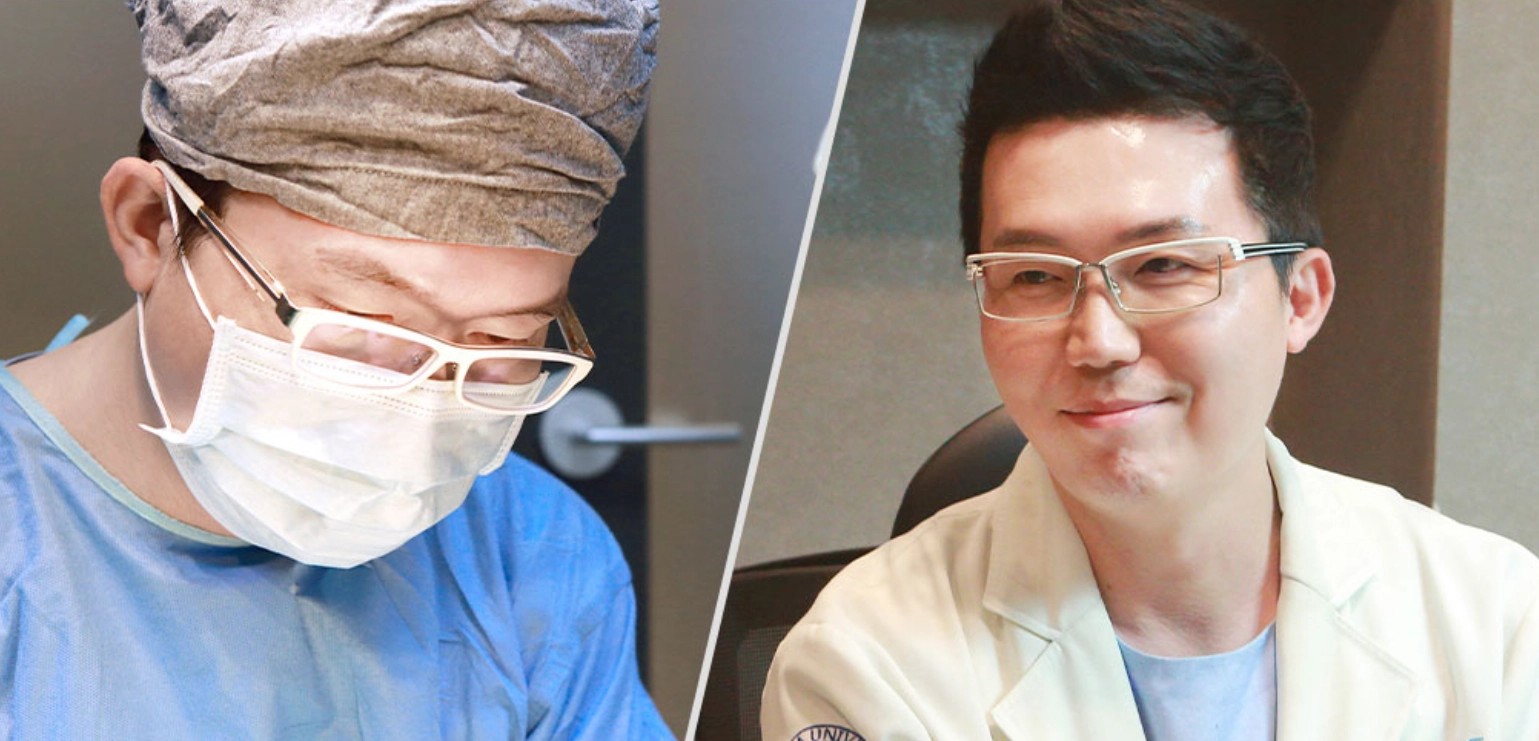

Set each block's data-video to your YouTube video ID to enable playback.
 Surgeon Portrait
Revision is not simply repeating the first operation.
The task is to identify why the previous result fell short — then plan a correction around that cause, the implant, and the tissue that is actually there.
Because the right correction depends entirely on the underlying cause, revision planning begins with a medical history review, implant assessment, physical examination, and breast imaging when indicated. Bring your previous surgical records if you have them.
Individual results and recovery experiences vary. This page is provided for general educational purposes and does not constitute a diagnosis, treatment recommendation, or guarantee of surgical results. Revision surgery is highly individualized, and some concerns may be improved but not completely eliminated. All surgical procedures involve potential risks, including bleeding, infection, delayed wound healing, altered sensation, asymmetry, scarring, recurrent capsular contracture, implant-related complications, dissatisfaction with the outcome, and the possible need for further surgery. The appropriate treatment and expected outcome can only be determined following an in-person examination, imaging where indicated, and consultation with a qualified medical professional. Newline Clinic is licensed under the Korean Medical Service Act.
Send your details and our international team will get back to you. No obligation — just a starting point.