Medial Canthoplasty Revision · Inner Corner

Medial canthoplasty revision in Busan, Korea — restoring the inner corner.

Medial canthoplasty revision is a corrective procedure designed to restore the appearance and function of the inner corner of the eye after a previous medial canthoplasty. The goal is not simply to close the opening, but to recreate balanced eye proportions while preserving a natural appearance.
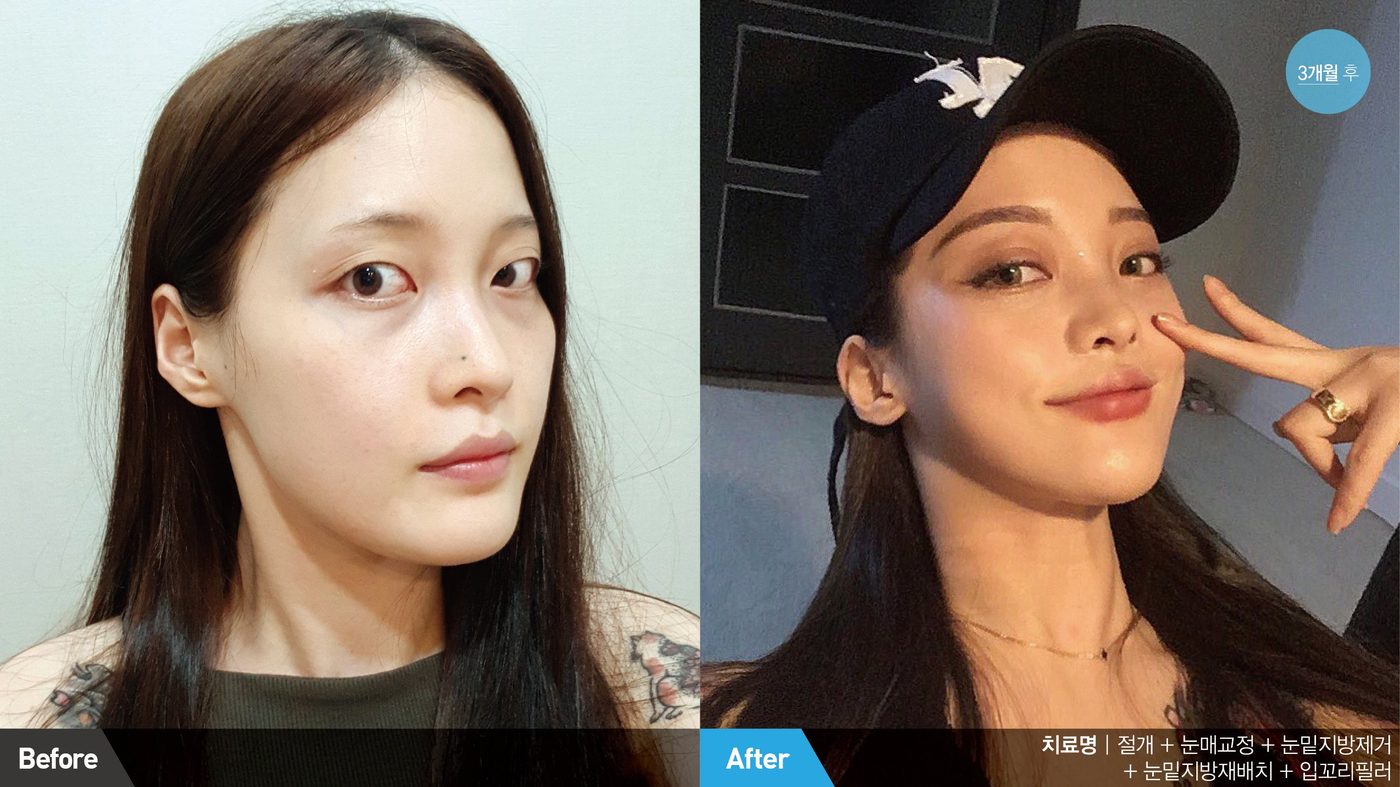
Medial canthoplasty revision natural inner eye contour at Newline Clinic in Busan, Korea
Inner Corner Revision
Watch: how revision is planned
Personalized revision planning Three-layer restoration concept Delicate microsurgical technique Experienced revision specialists Structured postoperative management
Medial Canthoplasty Revision at a Glance

Rebuilding proportion, not just closing an opening.

Procedure
Medial Canthoplasty Revision
Area
Inner Corner of the Eye
Goal
Balanced Eye Proportions
Concept
Three-Layer Restoration
Technique
Microscopic & Meticulous
Planning
Based on Previous Surgery
What Is Medial Canthoplasty Revision?

Correcting an inner corner that no longer suits the face.

Revision surgery addresses concerns that may occur after a prior medial canthoplasty, such as excessive opening of the inner corner, asymmetry, visible scarring, or an eye shape that no longer harmonizes with the rest of the face. Treatment is individualized according to the patient's anatomy and previous surgical changes — which is why the emphasis is on personalized design rather than simple closure.
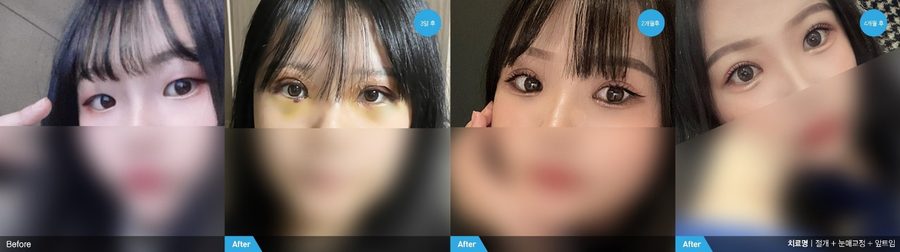
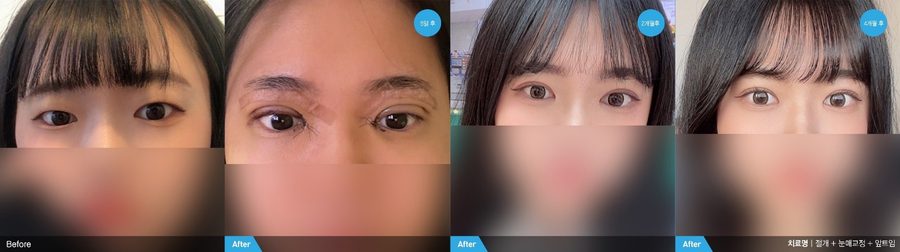
Results

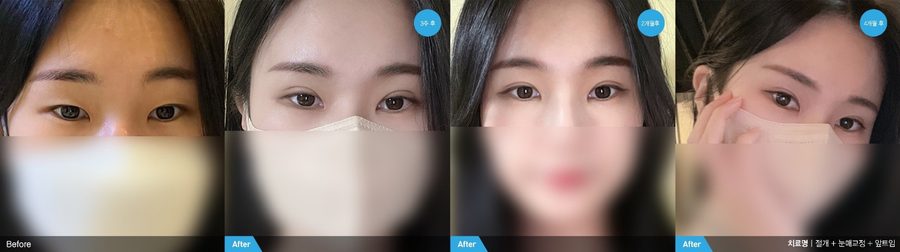
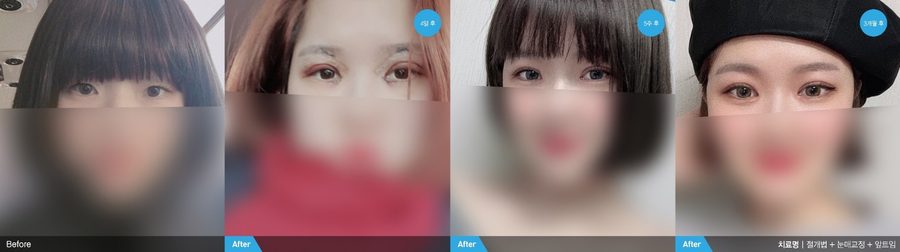
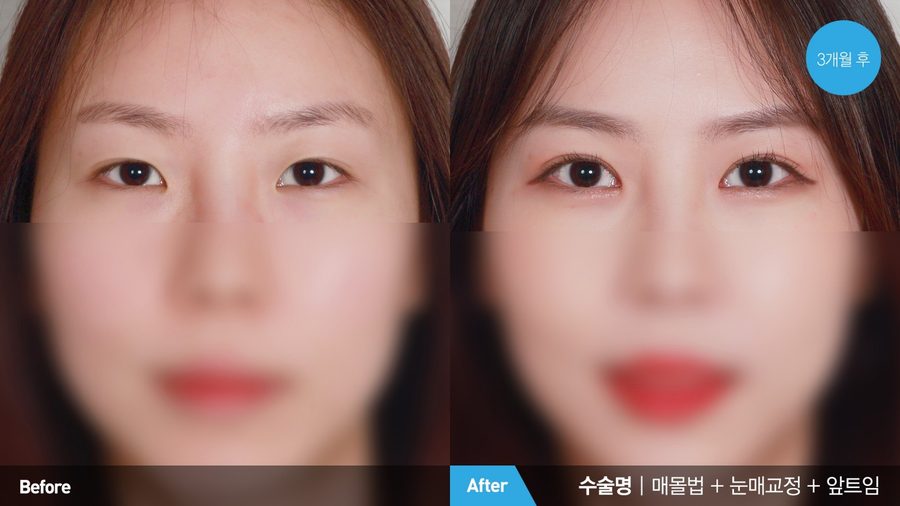
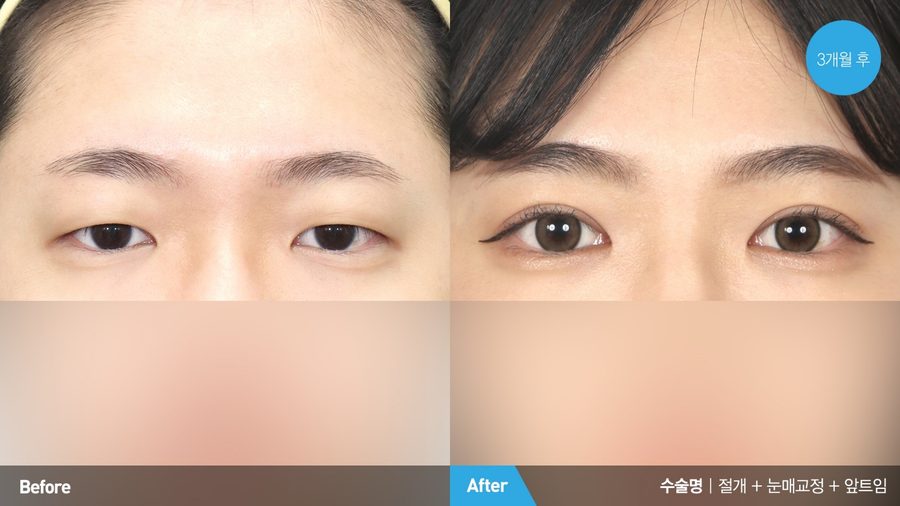
A softer inner contour, angle by angle.

Individual results vary. Photos are standardized examples shown with patient consent and are not a guarantee of outcome.

Procedure Overview

Typical steps of inner corner revision.

01

Assessment of Previous Surgery

Comprehensive assessment of what was done before and how the anatomy changed.

Step Understanding the history
02

Customized Revision Design

A design built for your anatomy and previous surgical changes, rather than simple closure.

Step Design
03

Scar Tissue Release

Careful release and repositioning of scar tissue as needed.

Step Release
04

Contour Reconstruction

Reconstruction of the medial canthal contour with careful tissue preservation.

Step Reconstruction
05

Precise Closure & Follow-Up

Precise closure followed by structured postoperative follow-up.

Step Closure & care
Treatment Principles

What guides a revision plan.

What it means in practice
Restoration of natural proportionsThe aim is balanced eye proportions, not simply reversing the previous opening
Personalized designDesign is individualized rather than a standard closure technique
Careful tissue preservationRemaining tissue is preserved because revision works with altered anatomy
Microscopic techniqueMeticulous, delicate microsurgical technique in a small, scarred area
Three-layer restorationSkin, muscle, and soft tissue are addressed as layers rather than surface alone

Revision works with previously altered anatomy and scar tissue, so some concerns may be improved rather than completely eliminated. Individualized planning based on the previous surgery is essential.

Potential Benefits

What revision aims to improve.

Improved Eye Symmetry

Asymmetry between the eyes may be addressed.

Softer Inner Eye Contour

A softer, more natural inner eye contour is the goal of reconstruction.

Reduced Scar Visibility

Scar visibility may be reduced through careful release and closure.

Personalized Revision Strategy

The plan is built around your anatomy and previous surgery.

Better Facial Harmony

Eye shape is restored in relation to overall facial harmony.

Who May Benefit?

Candidates are evaluated individually.

Revision may be appropriate if you

  • Feel the inner corner was overcorrected
  • Have visible scarring or distortion
  • Experience asymmetry between the eyes
  • Desire a softer, more natural inner eye contour
  • Require correction after a previous eye procedure

A consultation determines your plan

  • Revision works with altered anatomy and scar tissue
  • Some concerns may be improved but not completely eliminated
  • Timing depends on healing from the previous surgery
  • Recovery varies according to the extent of revision

A comprehensive assessment of the previous surgery is required before a revision plan can be made.

Recovery and Aftercare

Recovery depends on the extent of revision.

Temporary Swelling

Swelling is expected during early healing.

Bruising

Bruising is expected and improves as healing progresses.

Mild Discomfort

Mild discomfort is common during the early recovery period.

Scheduled Follow-Up

Individualized postoperative care instructions and scheduled follow-up visits.

Recovery varies according to the extent of revision surgery. Your surgeon provides a personalized timeline.

Inside Newline

Meet the team & clinic.

A message from the surgeon, a look inside the clinic, and stories from patients.
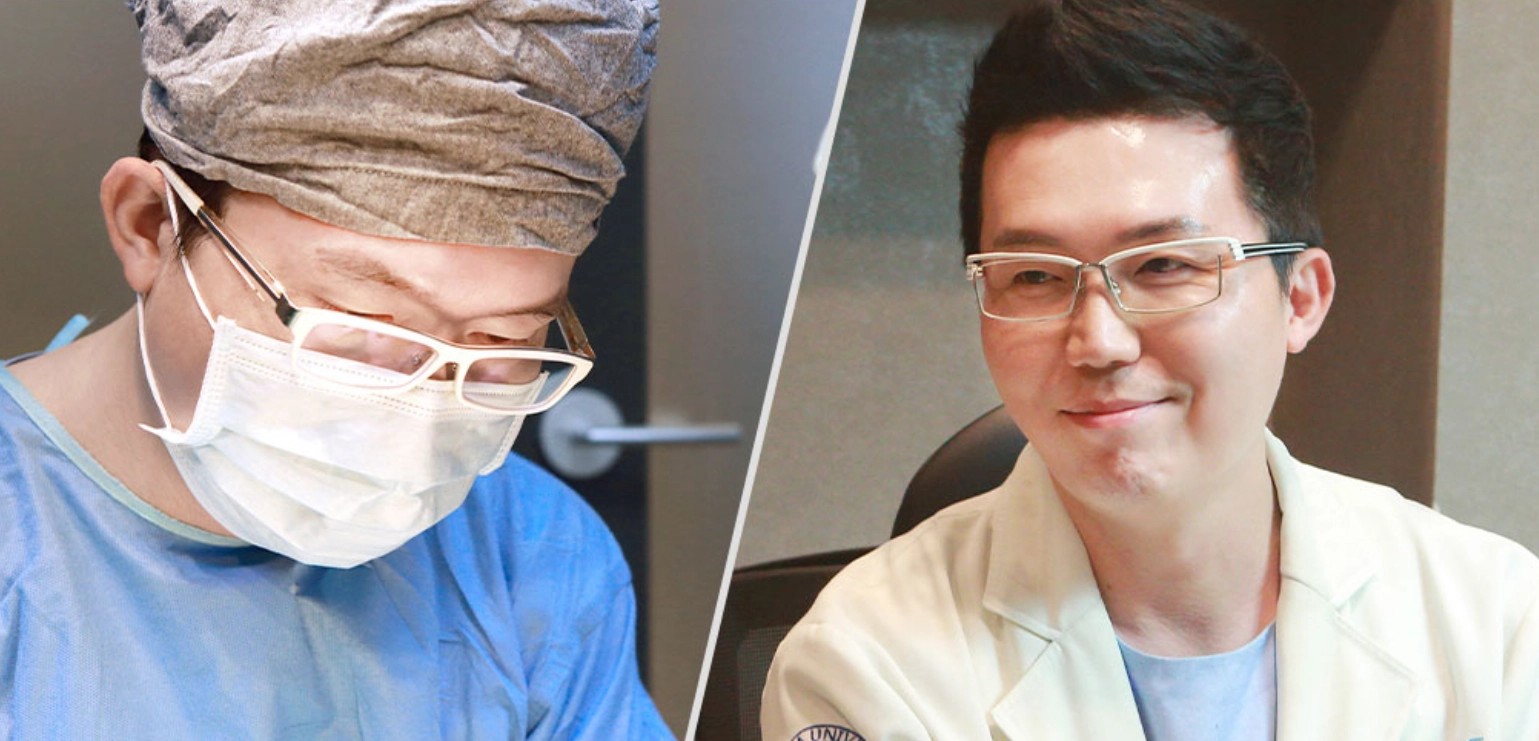
Message from the revision specialist at Newline Clinic
Meet the surgeon
Newline Clinic tour in Busan
Clinic tour
Patient story

Set each block's data-video to your YouTube video ID to enable playback.
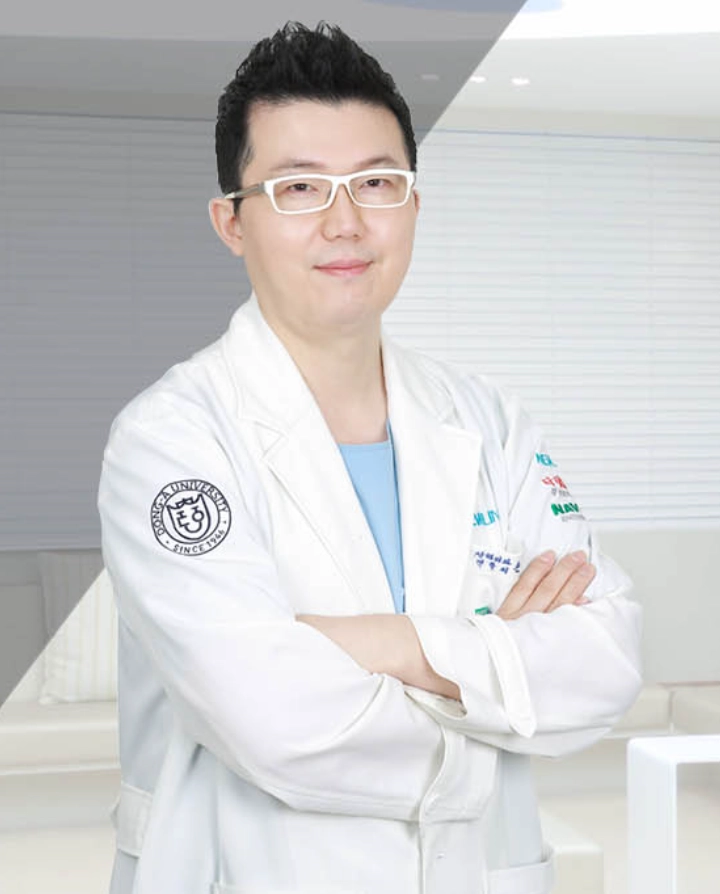
Eye revision specialist at Newline Clinic Busan Surgeon Portrait
About Your Surgeon

Dr. Son Hee-dong,
plastic
surgeon.

Patients often ask me to "close it back up."

But an inner corner that is simply closed rarely looks right. What has to be rebuilt is the proportion — through skin, muscle, and soft tissue.

  • Board-certified plastic surgeon · MD, PhD
  • Doctorate in Medicine, Dong-A University Graduate School
  • Clinical Professor, Dept. of Plastic Surgery, Dong-A University Hospital
  • Full member — Korean Society of Plastic and Reconstructive Surgeons, Korean Society for Aesthetic Plastic Surgery, Korean Rhinoplasty Society
  • Experience in eye revision and microsurgical technique
  • Consultation in Korean, English, Japanese and Chinese
View Full Profile
Frequently Asked

Inner Corner Revision in Busan
questions.

Why might medial canthoplasty revision be needed?
Revision addresses concerns that may occur after a prior medial canthoplasty, such as excessive opening of the inner corner, asymmetry, visible scarring, or an eye shape that no longer harmonizes with the rest of the face.
Can overcorrection be improved?
Patients who feel the inner corner was overcorrected may be candidates for revision. The goal is not simply to close the opening but to recreate balanced eye proportions while preserving a natural appearance.
Will existing scars be revised?
The procedure includes careful release and repositioning of scar tissue as needed, and reduced visibility of scars is one of the potential benefits. What can be achieved depends on your existing scarring and tissue.
How long is recovery?
Temporary swelling, bruising, and mild discomfort are expected during early healing, and recovery varies according to the extent of revision surgery. Patients receive individualized postoperative care instructions and scheduled follow-up visits.
Can revision be combined with other eyelid procedures?
Combined procedures are considered in some patients depending on anatomy, previous surgery, and goals. Whether a combination is appropriate can only be determined after a comprehensive assessment.
What is the three-layer restoration concept?
It refers to restoring skin, muscle, and soft tissue as layers rather than treating the surface alone — an approach used alongside delicate microsurgical technique in revision surgery.
How is a revision plan made?
The procedure begins with a comprehensive assessment of the previous surgery, followed by a customized revision design based on your anatomy and the surgical changes already made.
Can revision fully restore my original eye shape?
Revision works with previously altered anatomy and scar tissue, so some concerns may be improved rather than completely eliminated. Your surgeon should explain what is realistically achievable in your case.
Is revision more delicate than the original surgery?
Revision is performed in a small area with altered tissue and scarring, which is why careful tissue preservation and meticulous microsurgical technique are emphasized.
Considering Inner Corner Revision in Busan?

Start with an
assessment of your previous surgery.

Because revision works with anatomy that has already been changed, planning begins with a comprehensive assessment of the previous procedure. Bring your surgical records if you have them.

Visit the clinic

Find Newline in Busan.

Newline Clinic
40 Bujeon-ro 66beon-gil, Floors 2–5
Busanjin-gu, Busan 47287
Republic of Korea

+82 51 806 0100 · WhatsApp

Get Directions

Individual results and recovery experiences vary. This page is provided for general educational purposes and does not constitute a diagnosis, treatment recommendation, or guarantee of surgical results. Revision surgery works with previously altered anatomy and scar tissue, and some concerns may be improved rather than completely eliminated. All surgical procedures involve potential risks, including bleeding, infection, asymmetry, scarring, altered eye shape, dry eye or irritation, recurrence, dissatisfaction with the outcome, and the possible need for further surgery. The appropriate treatment and expected outcome can only be determined following an in-person examination and consultation with a qualified medical professional. Newline Clinic is licensed under the Korean Medical Service Act.

Request a Consultation

Tell us what you're considering.

Send your details and our international team will get back to you. No obligation — just a starting point.

Our international team replies in English, Japanese and Chinese — usually within one business day.