Abdominoplasty · Tummy Tuck

Abdominoplasty in Busan, Korea — skin, fat and abdominal contour together.

Abdominoplasty is a body contouring procedure designed to improve abdominal shape by removing excess skin and fat while tightening weakened abdominal tissues when appropriate. Skin laxity and muscle separation often require more than liposuction alone.

Abdominoplasty
Watch: how abdominoplasty is planned
Personalized body contour analysis Skin and fat correction Abdominal wall examination Focus on natural proportions Structured postoperative management
Abdominoplasty at a Glance

More than fat removal — skin and tissue too.

Procedure
Abdominoplasty
Addresses
Skin · Fat · Muscle Laxity
Common Reasons
Pregnancy · Weight Loss
Key Difference
Beyond Liposuction Alone
Assessment
Abdominal Wall Examination
Planning
Individualized
What Is Abdominoplasty?

Improving both body contour and skin tightness.

Abdominoplasty addresses multiple concerns simultaneously: excess abdominal skin, localized fat deposits, abdominal muscle laxity (when indicated), and poor lower abdominal contour. Unlike liposuction alone, the procedure is intended to improve both body contour and skin tightness — which is why skin laxity and muscle separation often require more than fat removal.

Results

A flatter profile, angle by angle.

Individual results vary. Photos are standardized examples shown with patient consent and are not a guarantee of outcome.

How It Differs from Liposuction

Fat is only part of the problem.

LiposuctionAbdominoplasty
Excess fatRemoves excess fatRemoves localized fat deposits
Excess skinNot addressed by fat removal aloneRemoves excess skin
Weakened abdominal tissueNot addressedTightens weakened abdominal tissues when indicated
ContourReshapes targeted fat depositsImproves the abdominal silhouette and restores a smoother lower abdominal contour

Which procedure is appropriate — or whether a combination is — depends on your skin elasticity, fat distribution, and abdominal wall condition, assessed during consultation.

Treatment Principles

What every plan includes.

Body Contour Assessment

Your overall contour is assessed before deciding the approach.

Skin Elasticity Evaluation

Skin quality determines how much laxity can be corrected.

Fat Distribution Analysis

Where fat sits guides whether and how it is addressed.

Abdominal Wall Examination

The abdominal wall is examined for muscle laxity or separation.

Personalized Surgical Planning

The plan is built for your anatomy with a focus on natural body proportions.

Potential Benefits

What abdominoplasty aims to improve.

Flatter Abdominal Profile

Excess skin and fat are addressed to improve the abdominal profile.

Improved Waistline Definition

Contouring supports a more defined waistline.

Reduction of Excess Skin

Redundant skin after pregnancy or weight loss is removed.

Better Abdominal Contour

A smoother lower abdominal contour is restored.

Individualized Plan

Body contouring is planned around your proportions and goals.

Who May Benefit?

Candidates are evaluated individually.

You may consider it if you

  • Have loose abdominal skin after pregnancy
  • Experience abdominal muscle separation (diastasis recti)
  • Have skin laxity after significant weight loss
  • Notice persistent lower abdominal fullness
  • Want improved abdominal contour that liposuction alone cannot achieve

Discuss these with your surgeon

  • Abdominoplasty involves an incision and results in a scar
  • Activity restrictions are expected during early recovery
  • Recovery depends on the extent of surgery and individual healing
  • Future pregnancy plans and weight stability are relevant to timing

A consultation and physical examination — including an abdominal wall examination — are required to determine whether abdominoplasty is appropriate for you.

From Consultation to Follow-Up

Your contouring journey at Newline.

01

Consultation

Discuss your concerns, pregnancy or weight-loss history, and your goals for the abdomen.

Step Understanding your goals
02

Body Contour Assessment

Personalized body contour analysis with attention to natural body proportions.

Step Assessment
03

Skin & Fat Evaluation

Skin elasticity evaluation and fat distribution analysis determine what can be corrected.

Step Evaluation
04

Abdominal Wall Examination

The abdominal wall is examined for muscle laxity or separation such as diastasis recti.

Step Examination
05

Surgery

Comprehensive skin and fat correction, with tightening of weakened abdominal tissues when indicated.

Step The procedure
06

Recovery & Follow-Up

Personalized postoperative instructions and scheduled follow-up visits.

Step Ongoing care
Recovery and Aftercare

Recovery depends on the extent of surgery.

Swelling & Bruising

Temporary swelling and bruising are expected during early recovery.

Tightness

A feeling of tightness is expected, particularly when abdominal tissues are tightened.

Activity Restrictions

Activity restrictions are expected during the early recovery period.

Scheduled Follow-Up

Patients receive personalized postoperative instructions and scheduled follow-up visits.

Recovery depends on the extent of surgery and individual healing. Your surgeon provides a personalized timeline.

Inside Newline

Meet the team & clinic.

A message from the surgeon, a look inside the clinic, and stories from patients.
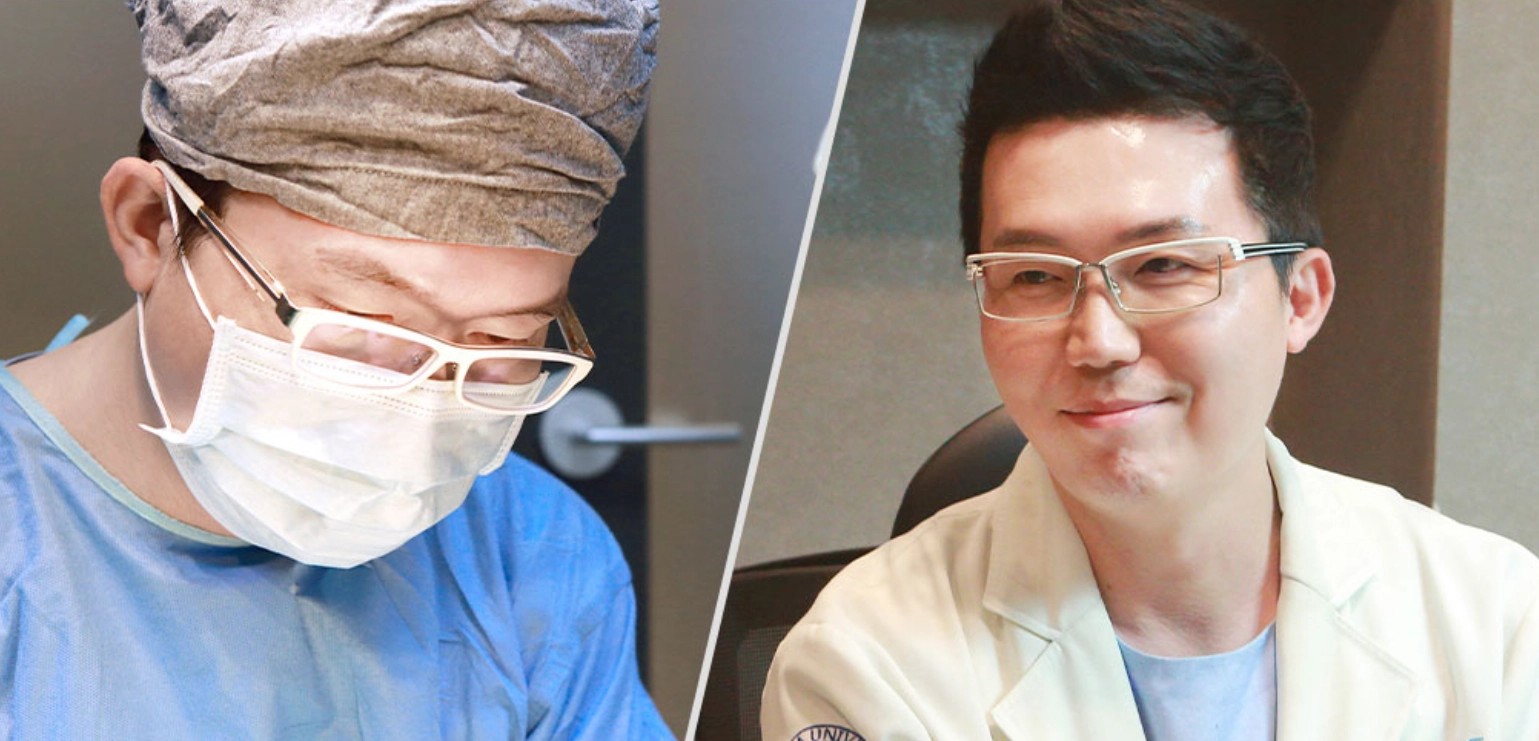
Message from the surgeon at Newline Clinic
Meet the surgeon
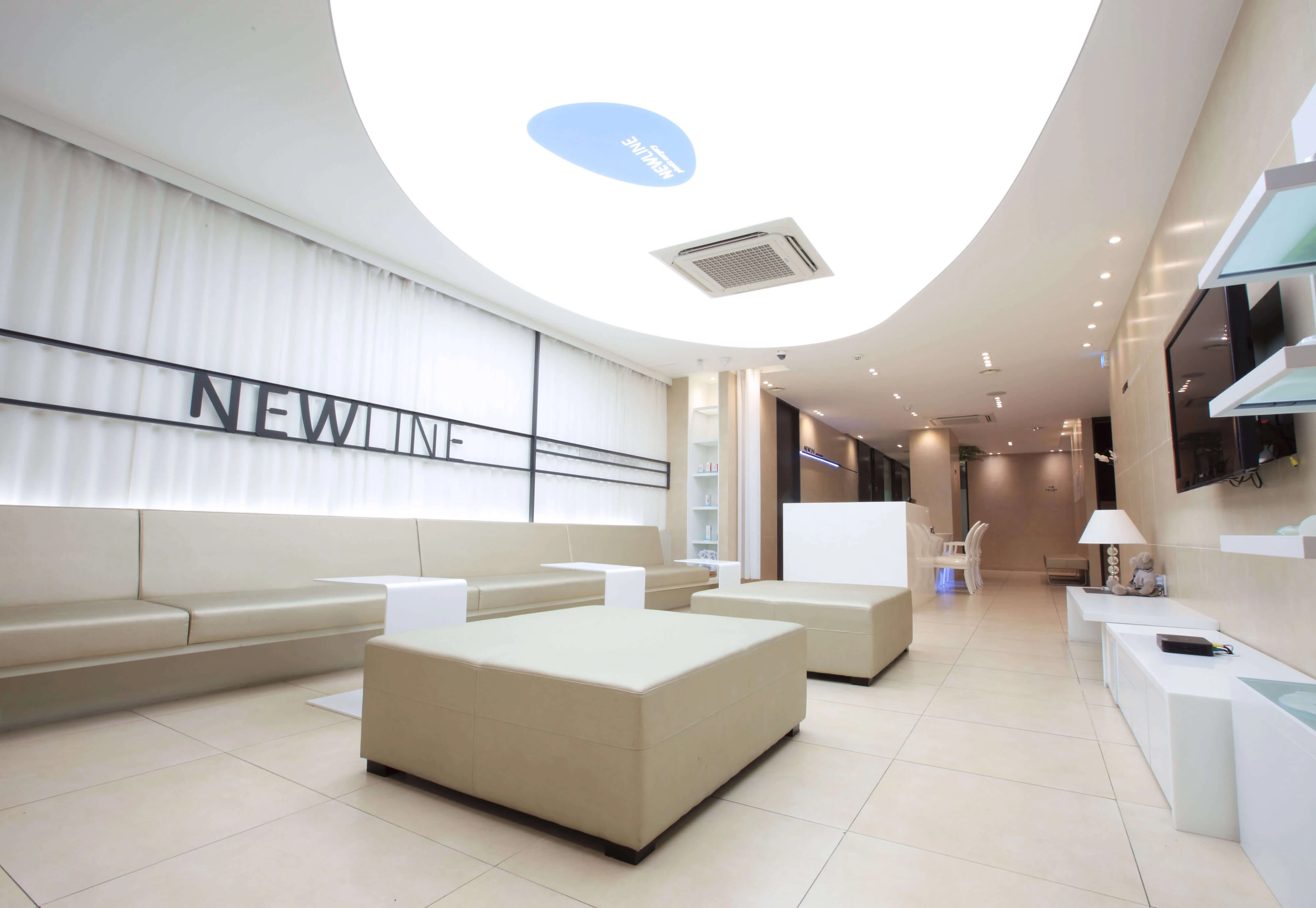
Newline Clinic tour in Busan
Clinic tour
Patient story

Set each block's data-video to your YouTube video ID to enable playback.

Dr. Son Hee-dong, plastic surgeon at Newline Clinic Busan Surgeon Portrait
About Your Surgeon

Dr. Son Hee-dong,
plastic
surgeon.

If the problem is loose skin or separated muscle, removing fat will not fix it.

The first job of the consultation is to work out which of the three — skin, fat, or abdominal wall — is actually driving your concern.

  • Board-certified plastic surgeon · MD, PhD
  • Doctorate in Medicine, Dong-A University Graduate School
  • Clinical Professor, Dept. of Plastic Surgery, Dong-A University Hospital
  • Full member — Korean Society of Plastic and Reconstructive Surgeons, Korean Society for Aesthetic Plastic Surgery, Korean Rhinoplasty Society
  • Experience in body contouring and post-weight-loss surgery
  • Consultation in Korean, English, Japanese and Chinese
View Full Profile
Frequently Asked

Abdominoplasty in Busan
questions.

Am I a candidate for abdominoplasty?
It may be appropriate for patients with loose abdominal skin after pregnancy, abdominal muscle separation, skin laxity after significant weight loss, persistent lower abdominal fullness, or a wish for contour improvement that cannot be achieved with liposuction alone.
Can abdominoplasty be combined with liposuction?
Abdominoplasty removes localized fat as well as excess skin, and combined approaches are considered in some patients. Whether a combination is appropriate depends on your skin elasticity, fat distribution, and abdominal wall condition.
What is diastasis recti?
Diastasis recti refers to abdominal muscle separation. It is one reason abdominoplasty may be considered, because weakened abdominal tissues can be tightened during surgery when indicated — something liposuction does not address.
How is abdominoplasty different from liposuction?
While liposuction removes excess fat, abdominoplasty can also remove excess skin, tighten weakened abdominal tissues, improve the abdominal silhouette, and restore a smoother lower abdominal contour.
How long is recovery?
Recovery depends on the extent of surgery and individual healing. Temporary swelling, bruising, tightness, and activity restrictions are expected during the early recovery period.
Will there be a visible scar?
Yes. Abdominoplasty involves an incision and therefore a scar. The expected location, length, and healing should be explained by your surgeon before surgery, as this is a key trade-off of the procedure.
What does treatment planning include?
Every plan includes body contour assessment, skin elasticity evaluation, fat distribution analysis, abdominal wall examination, and personalized surgical planning.
Can abdominoplasty help after pregnancy?
Loose abdominal skin after pregnancy and abdominal muscle separation are common reasons patients consider the procedure. Timing relative to future pregnancy plans should be discussed during consultation.
Is abdominoplasty a weight-loss procedure?
No. It is a body contouring procedure intended to improve abdominal shape and skin tightness. It is often considered after weight has stabilized following significant weight loss.
Considering a Tummy Tuck in Busan?

Start with a
body contour assessment.

A consultation includes body contour assessment, skin elasticity evaluation, fat distribution analysis, and abdominal wall examination — so the plan reflects whether skin, fat, or muscle laxity is driving your concern.

Visit the clinic

Find Newline in Busan.

Newline Clinic
40 Bujeon-ro 66beon-gil, Floors 2–5
Busanjin-gu, Busan 47287
Republic of Korea

+82 51 806 0100 · WhatsApp

Get Directions

Individual results and recovery experiences vary. This page is provided for general educational purposes and does not constitute a diagnosis, treatment recommendation, or guarantee of surgical results. Abdominoplasty is a body contouring procedure and is not a treatment for obesity or a substitute for weight loss. The procedure involves an incision and results in a scar. All surgical procedures involve potential risks, including bleeding, infection, delayed wound healing, altered sensation, asymmetry, contour irregularity, unfavourable scarring, dissatisfaction with the outcome, and the possible need for additional treatment. The appropriate treatment and expected outcome can only be determined following an in-person examination and consultation with a qualified medical professional. Newline Clinic is licensed under the Korean Medical Service Act.

Request a Consultation

Tell us what you're considering.

Send your details and our international team will get back to you. No obligation — just a starting point.

Our international team replies in English, Japanese and Chinese — usually within one business day.