01
Consultation & Symptoms
The surgeon assesses breathing symptoms, aesthetic concerns, medical history, prior operations, and goals.
Rhinoplasty should do more than change the shape of the nose. A well-planned procedure considers facial balance, nasal structure, skin thickness, breathing function, previous surgery, and your personal goals. At Newline Clinic, each plan is developed through an individualized assessment — natural refinement, improved breathing, reconstruction after a previous procedure, or a combination.

Reshaping the nose around your anatomy — not a standard design.
The surgeon evaluates the bridge, tip, nostrils, septum, internal airway, skin thickness, facial proportions, and any previous surgery before recommending a plan. For some patients the priority is a subtle cosmetic change; for others the main concern is nasal obstruction, structural weakness, asymmetry, or an unsatisfactory result from a previous operation. The most appropriate technique depends on the specific problem and should be selected after an in-person medical assessment.

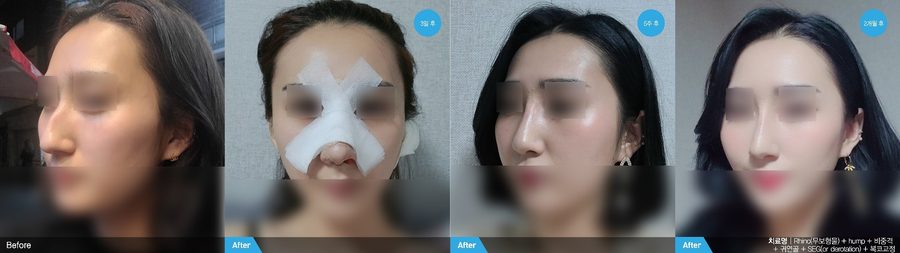
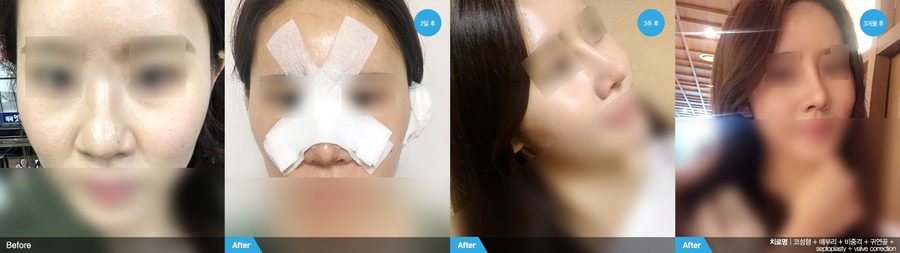
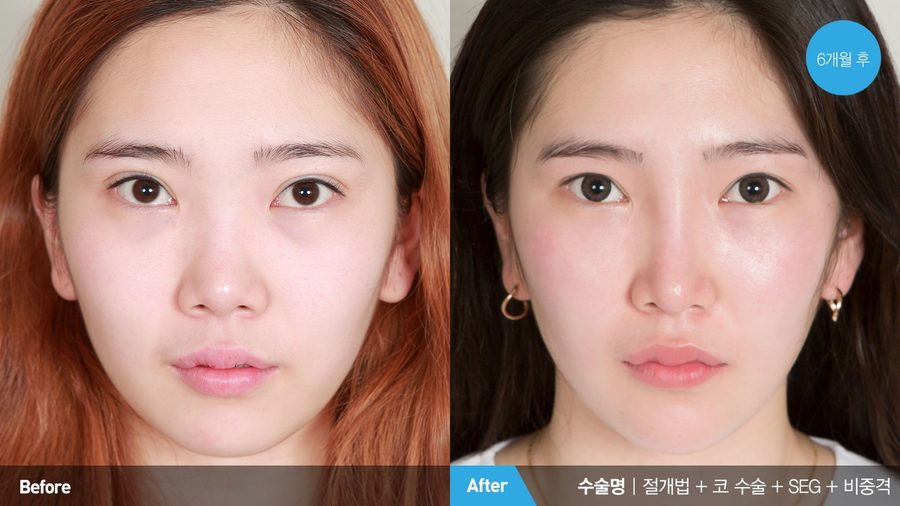
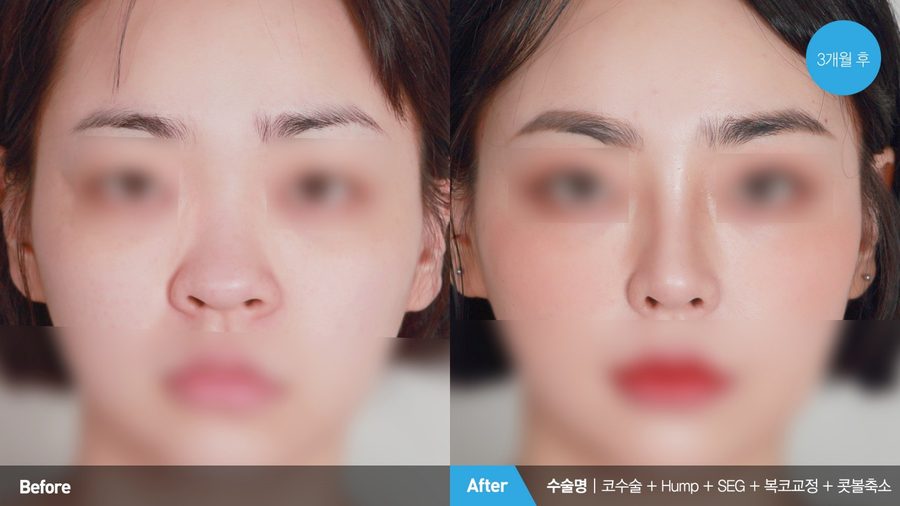
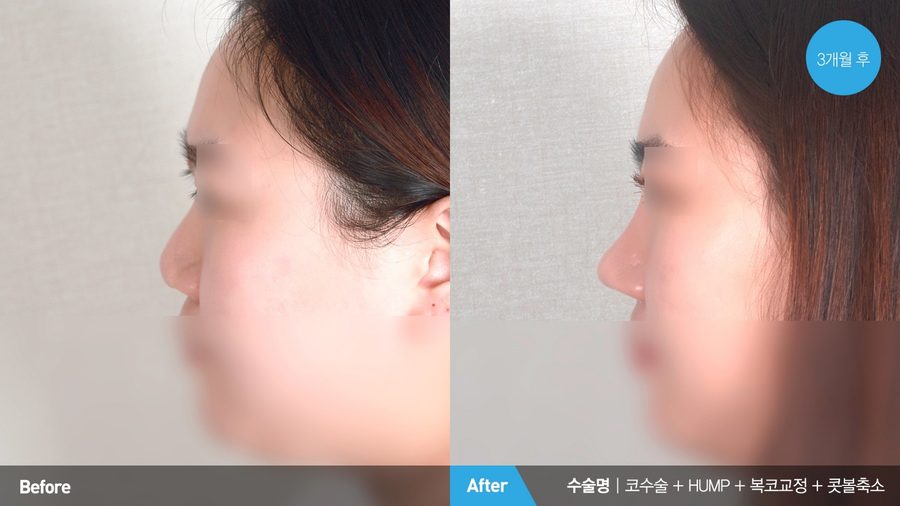
Every patient's anatomy and healing response are different. Photographs demonstrate examples of the clinic's work with written patient consent and a stated postoperative interval; they do not guarantee the same result for another patient.
Reshaping the nose without a synthetic silicone implant.
Instead of a silicone implant, the surgeon uses the patient's own cartilage or other autologous tissue to build support and refine contour. It may be considered for patients who prefer to avoid a synthetic implant, want a soft natural contour, need structural reinforcement, have thin skin that may show implant edges, or require revision or reconstructive surgery. Suitability depends on the amount and quality of available cartilage, the desired change, the condition of the framework, and whether the procedure is primary or revision surgery.
Naturally curved and flexible — useful for refining the tip, adding soft contour, or providing limited support. The donor incision is generally placed discreetly around the ear. Available volume is limited and it may not be strong enough for major reconstruction.
Taken from inside the nose, so no external donor-site scar is created. Used for tip projection and support, nasal lengthening, septal reconstruction, and structural grafting. The available amount varies and may be reduced by previous surgery; adequate septal support must be preserved.
Provides a larger volume and strong structural support for significant reconstruction or when septal cartilage is depleted. Requires a chest donor-site incision; the surgeon explains the expected scar and recovery, and the graft must be prepared to reduce the chance of warping.
| Autologous Cartilage | Silicone Implant | |
|---|---|---|
| Material | The patient's own septal, ear, or rib cartilage | A synthetic implant commonly used to increase bridge height |
| Potential advantages | Uses the patient's own tissue; customized structural support; natural bridge-to-tip transition; useful in revision and reconstruction | No cartilage harvesting; predictable shape and volume; defined bridge height; may involve a shorter operation in selected cases |
| Potential limitations | Requires a donor site; available cartilage may be limited; longer or more complex surgery; cartilage can absorb, bend, shift, or become visible | A foreign material; possible infection, displacement, visibility, skin thinning, inflammation, or extrusion; may require removal or revision later |
The most appropriate option should be selected through consultation rather than a general claim that one material is universally safer or better.
The wall dividing the nasal passages. When bent or displaced, one or both sides may narrow. Deviation can be congenital, developmental, or trauma-related.
Turbinates warm and humidify air. When enlarged from allergy, inflammation, or compensatory change, they can restrict airflow.
One of the narrowest parts of the airway. Weakness, prior surgery, trauma, or anatomy can cause the sidewall to narrow or collapse during breathing.
Chronic inflammation may cause congestion and fluctuating obstruction. Surgery may help a structural problem, but medical treatment may also be needed.
Prior surgery can remove too much support, create scar tissue, narrow the airway, or leave unresolved deviation. Revision must identify the exact cause.
Evaluation may include medical history, external and internal examination, nasal endoscopy, and imaging such as 3D CT when clinically indicated. Not every breathing problem is solved by rhinoplasty — some patients need allergy, medication, or sinus treatment.
The surgeon assesses breathing symptoms, aesthetic concerns, medical history, prior operations, and goals.
The external nose, septum, turbinates, nasal valves, and internal airway are evaluated.
Nasal endoscopy or 3D CT may be used to confirm structural problems when clinically justified.
May include septoplasty, turbinate reduction, nasal valve reconstruction, cartilage grafting, or cosmetic refinement.
The technique depends on the diagnosis. Functional correction may be performed alone or with cosmetic rhinoplasty.
Postoperative visits monitor breathing, swelling, healing, structural stability, and the external result.
Coverage for functional nasal surgery depends on diagnosis, insurance policy, documentation, and local regulations; cosmetic portions are generally not covered. International patients should verify home-country reimbursement, and the clinic should not promise coverage before the insurer reviews the case.
Identify what materials were used and whether they remain stable, infected, displaced, visible, or unsuitable.
Assessed from front, profile, and three-quarter views for irregularity, asymmetry, excess or insufficient height, or implant visibility.
Evaluated for drooping, over- or under-projection, pinching, stiffness, asymmetry, and loss of support.
Breathing function is assessed for septal deviation, valve collapse, scarring, and internal narrowing.
Thickness, elasticity, vascular condition, and scar burden help determine what can be corrected safely.
Whether septal, ear, or rib cartilage may be required for reconstruction, since septal cartilage may be depleted.
Some deformities can be improved but not completely erased. Revision timing is decided after examination — many cases need months for swelling and scar tissue to mature, while infection, implant exposure, or severe breathing difficulty may require earlier assessment.
These factors do not automatically exclude treatment, but they require careful discussion and individual risk assessment.
International patients begin with photographs, medical history, previous operative records, and a description of concerns.
External shape, internal structure, skin quality, breathing, and previous surgical changes are evaluated.
The recommended approach, graft materials, limitations, scars, recovery, risks, and alternatives are explained.
Required tests depend on health, age, anesthesia plan, and procedure.
Cosmetic reshaping, functional correction, structural grafting, implant removal or replacement, or a combination.
A splint, internal support, or dressing may be used. Swelling, bruising, congestion, and temporary asymmetry are common.
Sutures or splints are removed when appropriate; healing is monitored and complications identified early.
The bridge settles earlier while tip swelling persists longer. The final contour develops gradually and varies by patient.
Swelling around the nose and eyes, bruising, congestion, mild drainage, temporary numbness, and swelling-related asymmetry.
Keep the head elevated, avoid pressure or impact, and do not wear glasses on the bridge unless approved by the surgeon.
Take medication as directed, avoid strenuous exercise until cleared, do not smoke or use nicotine, and attend all follow-up visits.
The nose changes as swelling resolves; final refinement can take many months, especially after revision or extensive tip work.
Contact the clinic promptly if symptoms are unusual or worsening. The surgeon provides a recovery timeline based on the specific procedure rather than a fixed universal schedule.
Bleeding, infection, adverse reaction to anesthesia, scarring, poor wound healing, and skin injury or discoloration.
Persistent swelling, asymmetry, irregular contour, altered sensation, difficulty breathing, septal perforation, or changes in smell.
When synthetic material is used: infection, displacement, visibility, exposure, or extrusion.
Ear or rib harvesting can cause pain, scarring, or deformity; cartilage may absorb, warp, move, or become visible.
The possibility and significance of each risk depend on your anatomy, medical history, procedure, previous surgery, and healing response. A consultation should include a personalized risk discussion, and additional treatment or revision surgery may sometimes be needed.
A message from the surgeon, a look inside the clinic, and stories from patients.
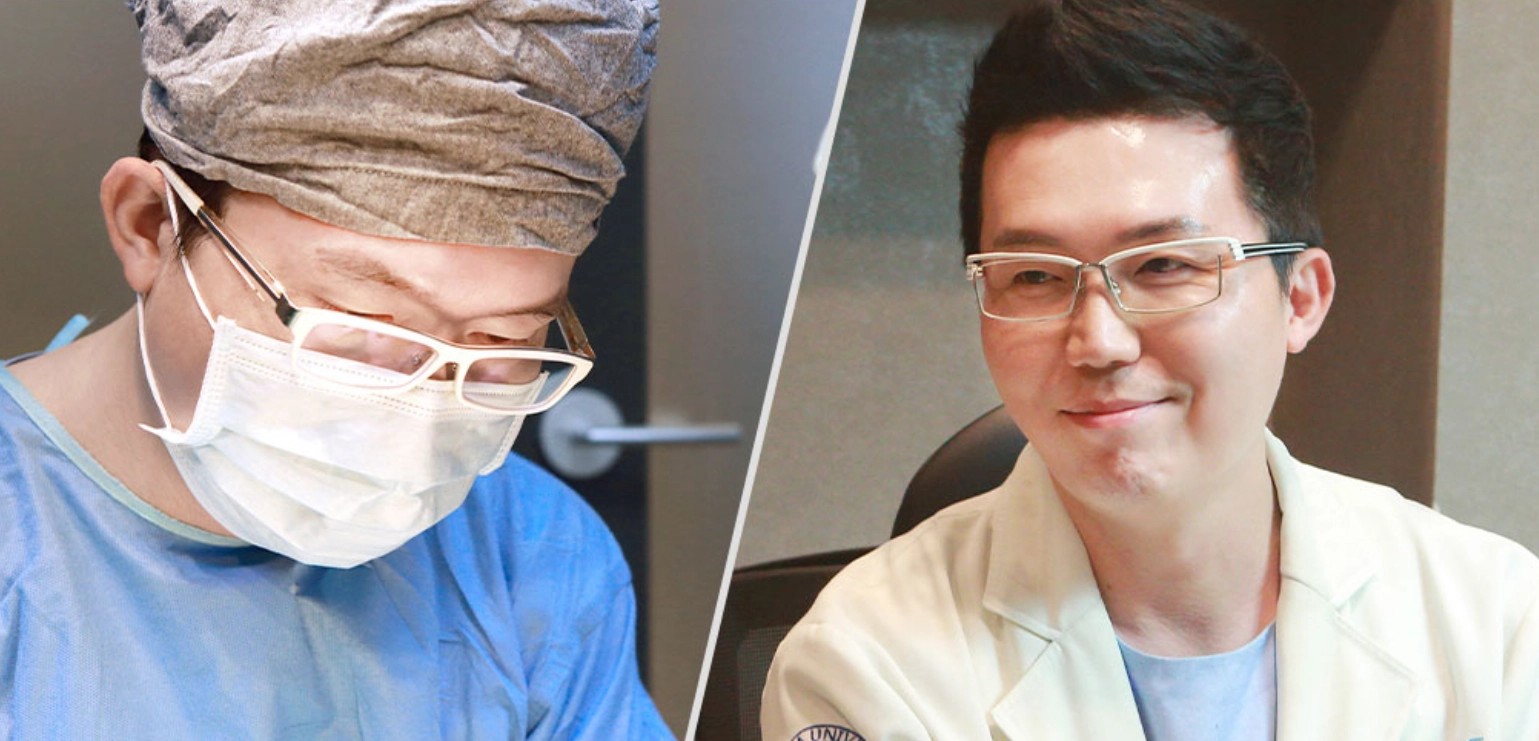

Set each block's data-video to your YouTube video ID to enable playback.
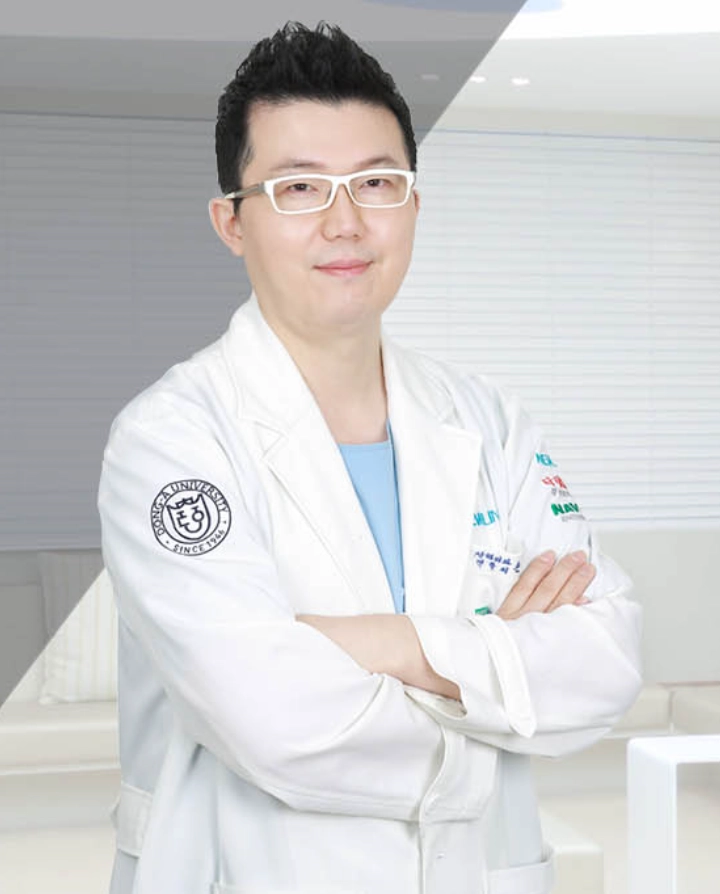 Surgeon Portrait
"A successful rhinoplasty should improve balance and function without making the nose look disconnected from the rest of the face.
The plan must respect each patient's anatomy, tissue quality, and realistic goals."
Prepare clear photographs from requested angles, a complete medical history and medication list, previous operative reports and CT scans when available, and confirm passport, visa, and accommodation. Avoid booking an inflexible early return flight.
Attend the in-person consultation before final surgical consent, arrange an approved support person when required, follow fasting and medication instructions, remain close enough for early follow-up, and avoid activities that could interfere with recovery.
Follow the clinic's written aftercare instructions, send photographs if remote follow-up is offered, and seek local medical care immediately for urgent symptoms. Some concerns require an in-person examination.
Language support and interpreter availability: Korean, English, Japanese and Chinese. Contact options: WhatsApp, email, telephone, and online consultation form.
A consultation is the first step toward understanding which approach is appropriate for your anatomy, breathing function, previous surgery, and goals. Send your questions and available medical information to begin the international patient review process.
Individual results vary. This content is for general educational purposes and does not replace an in-person medical consultation, diagnosis, or treatment plan. Rhinoplasty and functional nasal surgery involve potential risks and limitations. Eligibility, technique, recovery, and expected outcomes must be determined by a licensed medical professional after evaluating the individual patient. Newline Clinic is licensed under the Korean Medical Service Act.
Send your details and our international team will get back to you. No obligation — just a starting point.