Ptosis Correction · Eyelid Lift

Ptosis correction in Busan, Korea — improving eyelid function and opening.

Ptosis correction is a surgical procedure designed to improve eyelid function by strengthening or adjusting the muscles responsible for lifting the upper eyelid. In addition to improving eyelid position, it can create a brighter, more alert appearance while maintaining natural eye proportions.
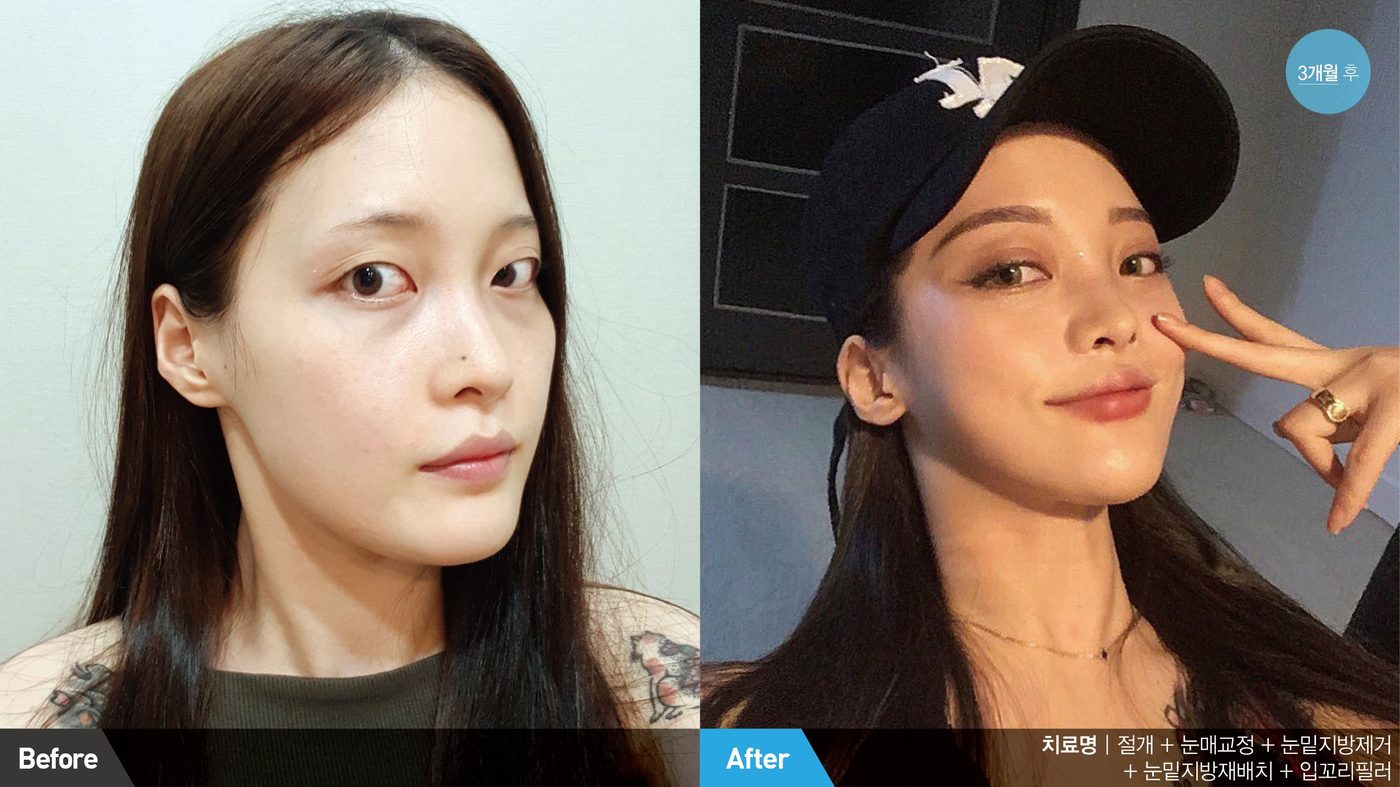
Ptosis correction natural eye opening result at Newline Clinic in Busan, Korea
Ptosis Correction
Watch: what ptosis actually is
Individualized diagnosis Non-incisional & incisional options Customized surgical planning Natural-looking eye opening Experienced plastic surgery team
Ptosis Correction at a Glance

A muscle problem, not a skin problem.

Procedure
Ptosis Correction
Addresses
Eyelid-Opening Muscle
Techniques
Non-Incisional · Incisional
Improves
Pupil Exposure
Concerns
Functional & Cosmetic
Combination
With Double Eyelid Surgery
What Is Ptosis?

The muscle that lifts the eyelid has become weak.

Ptosis occurs when the muscle responsible for lifting the upper eyelid becomes weak, causing the eyelid to droop and reducing visible pupil exposure. This may create a tired appearance and, in some patients, interfere with vision. Correction improves eyelid function by strengthening or adjusting that muscle — which is why it differs from procedures that only remove skin.
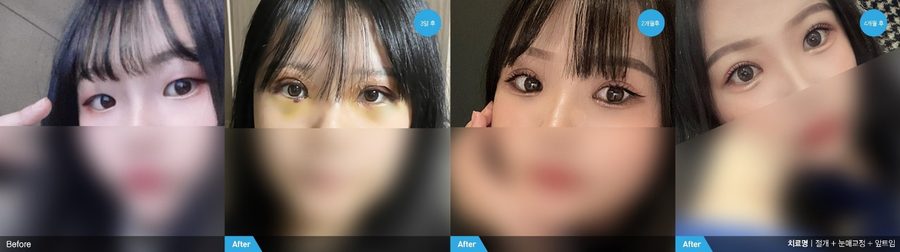
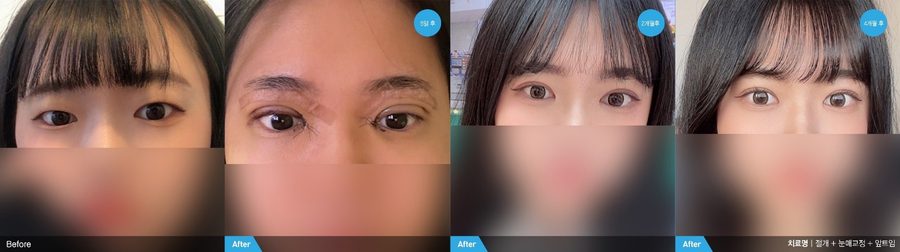
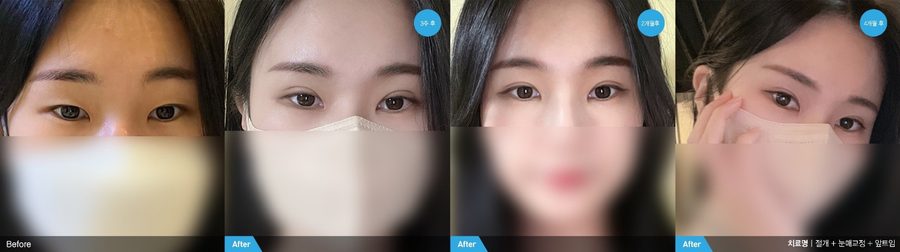
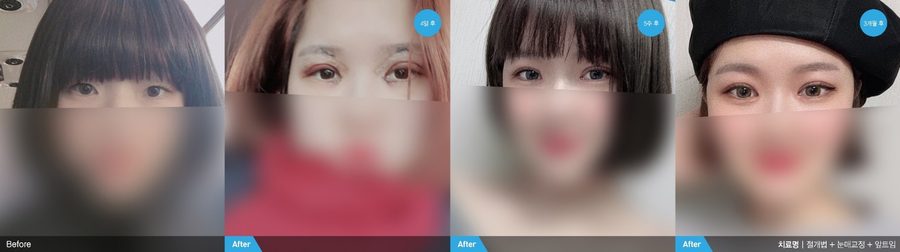
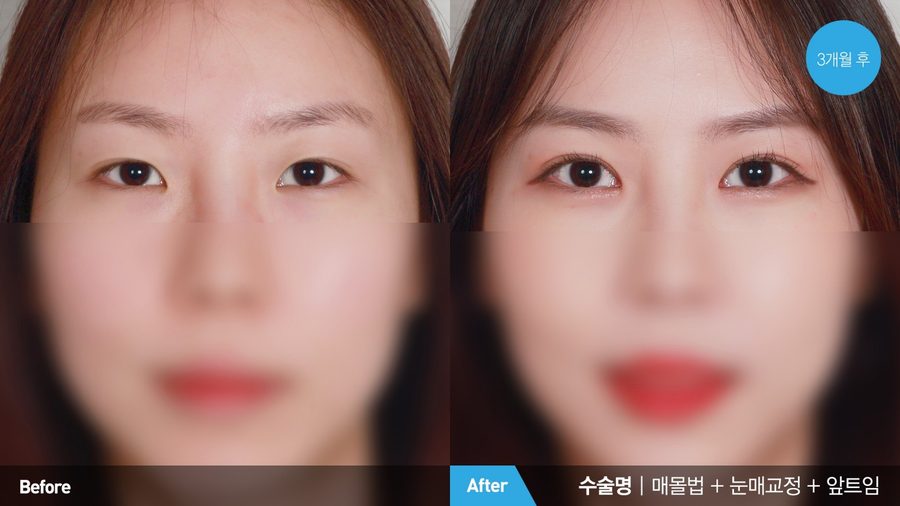
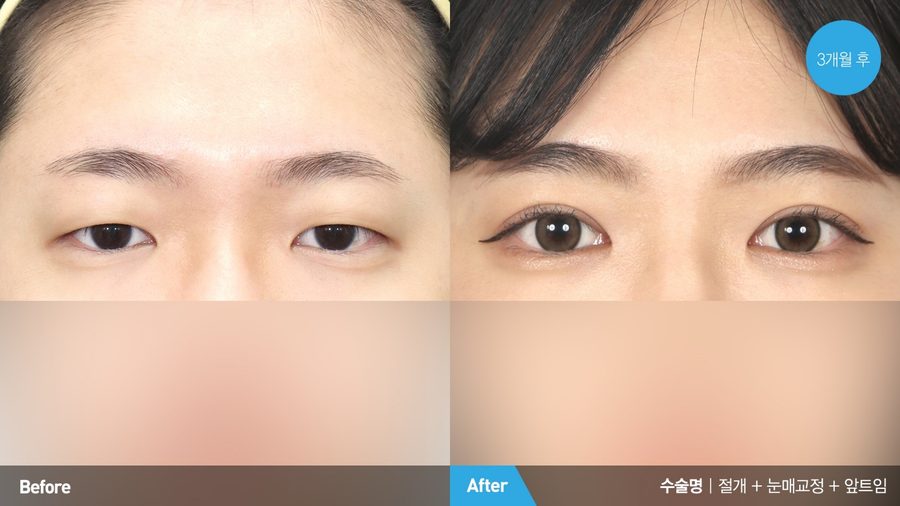
Results

A brighter eye opening, angle by angle.

Individual results vary. Photos are standardized examples shown with patient consent and are not a guarantee of outcome.

Surgical Techniques

Non-incisional or incisional — anatomy decides.

Non-IncisionalIncisional
Best suited forSelected patients with thinner eyelids and minimal excess tissuePatients with thicker eyelids, excess skin, or excess fat
ApproachSmall sutures used to enhance eyelid openingAn incision allowing direct adjustment of eyelid structures
Tissue handlingMinimal external scarringRemoval or repositioning of tissue when indicated
SelectionDepends on eyelid thickness, amount of excess skin, fat volume, degree of drooping, and individual anatomy and goals

Neither technique is universally better. The choice depends on eyelid anatomy, tissue characteristics, and the degree of ptosis, determined during consultation.

Choosing the Appropriate Technique

What the surgeon evaluates.

Eyelid Thickness

Thin eyelids and thick eyelids suit different approaches.

Amount of Excess Skin

Excess skin may require an incisional approach for direct adjustment.

Fat Volume

Fat volume influences whether tissue removal or repositioning is indicated.

Degree of Eyelid Drooping

How much the eyelid droops guides how much correction is required.

Anatomy & Goals

Individual anatomy and treatment goals are considered together.

Benefits

What correction aims to improve.

Improved Eyelid Opening

The eyelid opens more effectively after muscle correction.

Increased Pupil Exposure

More of the pupil becomes visible, which brightens the eye.

Brighter, Refreshed Appearance

A more alert appearance while maintaining natural eye proportions.

Reduced Brow Lifting

Less need to lift the brows to compensate for drooping.

Personalized Planning

Surgery is planned from an individualized diagnosis.

Who May Benefit?

Candidates are evaluated individually.

You may be suitable if you

  • Have limited pupil exposure
  • Raise your eyebrows to compensate for drooping eyelids
  • Look tired even when well rested
  • Have forehead wrinkles caused by excessive brow lifting
  • Have functional or cosmetic concerns related to drooping

A consultation determines your plan

  • Drooping may come from muscle weakness, excess skin, or both
  • Technique depends on eyelid thickness, skin, fat, and degree of ptosis
  • Newly developed or one-sided drooping should be medically evaluated
  • Combination with double eyelid surgery is decided clinically

A consultation and examination are required to determine whether ptosis correction is appropriate and which technique suits your anatomy.

From Consultation to Follow-Up

Your ptosis journey at Newline.

01

Individualized Diagnosis

Whether drooping results from weakened eyelid-opening muscle is identified.

Step Diagnosis
02

Anatomy Evaluation

Eyelid thickness, excess skin, fat volume, and degree of drooping are assessed.

Step Assessment
03

Technique Selection

Non-incisional or incisional correction is selected based on your evaluation and goals.

Step Choosing the approach
04

Customized Planning

The plan targets natural-looking eye opening rather than maximum lift.

Step Planning
05

Surgery

The muscles responsible for lifting the eyelid are strengthened or adjusted, alone or with double eyelid surgery.

Step The procedure
06

Recovery & Follow-Up

Healing is monitored as swelling settles and the eye opening refines.

Step Ongoing care
Recovery and Aftercare

Recovery varies by technique and healing.

Temporary Swelling

Swelling is common during the early postoperative period.

Bruising

Bruising is expected and improves as healing progresses.

Mild Discomfort

Mild discomfort is common in the early recovery period.

Gradual Refinement

Eye opening and symmetry become clearer as swelling settles.

Recovery varies according to the surgical technique and individual healing. Your surgeon provides a personalized timeline.

Inside Newline

Meet the team & clinic.

A message from the surgeon, a look inside the clinic, and stories from patients.
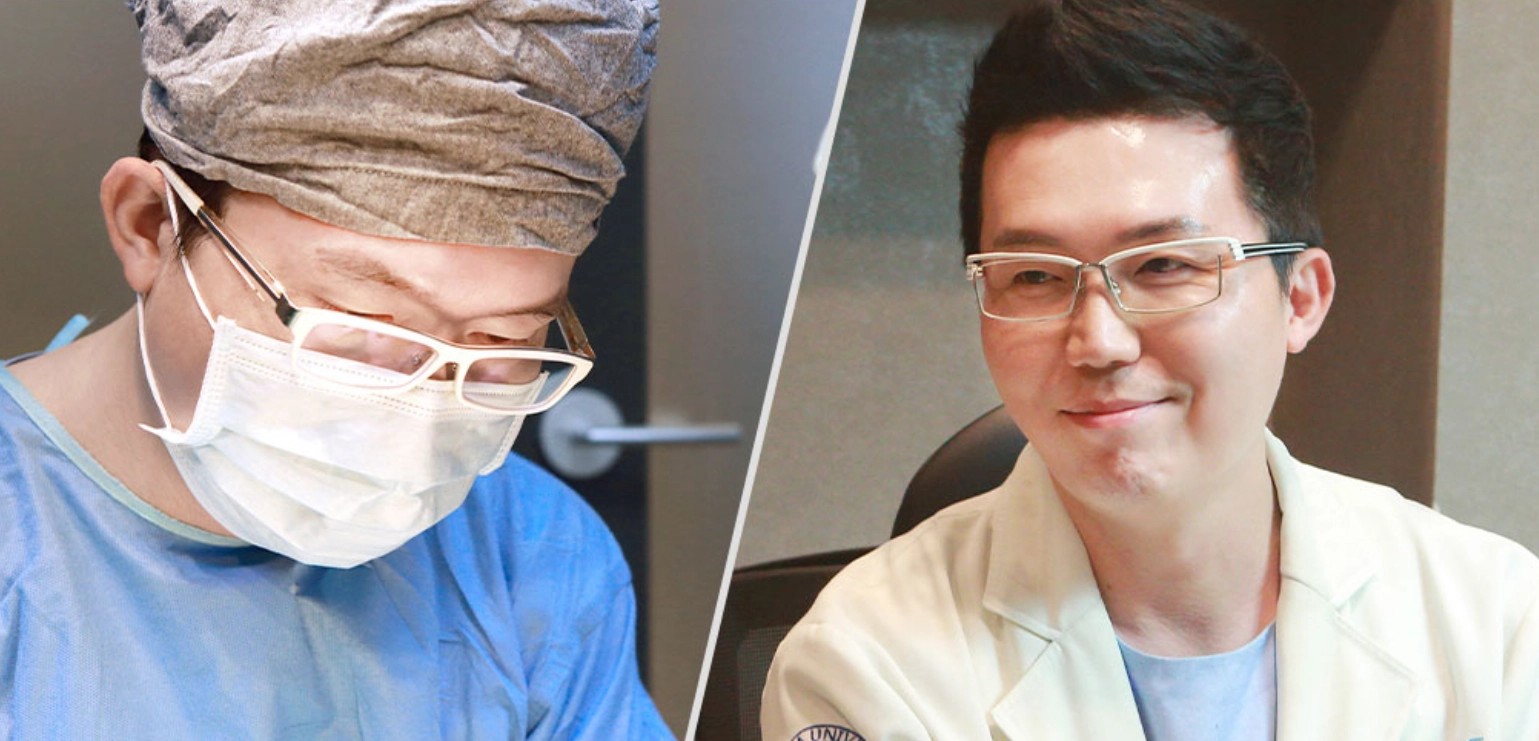
Message from the eye surgery specialist at Newline Clinic
Meet the surgeon
Newline Clinic tour in Busan
Clinic tour
Patient story

Set each block's data-video to your YouTube video ID to enable playback.
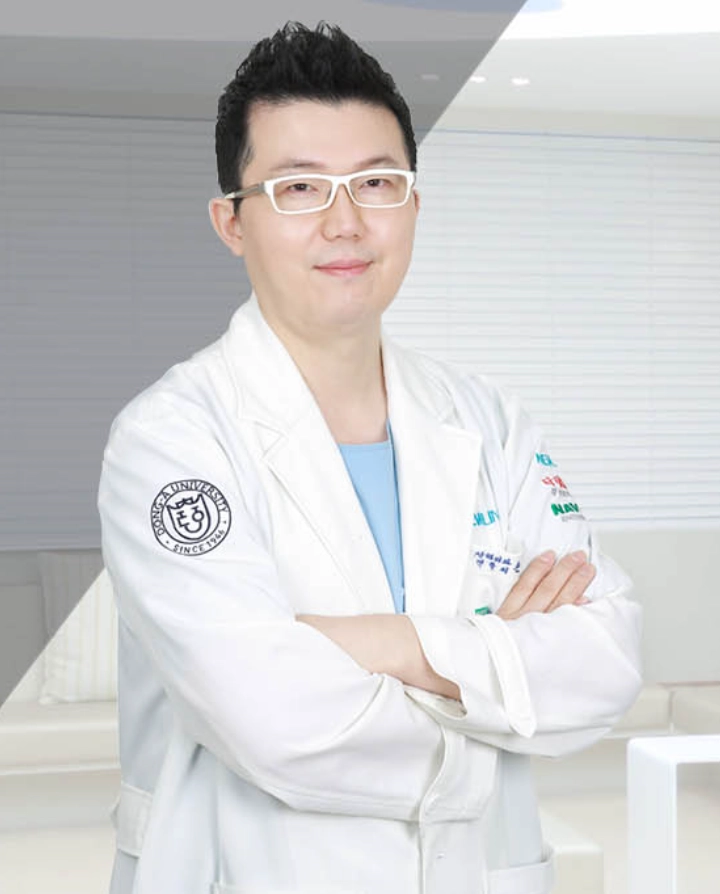
Eye surgery specialist at Newline Clinic Busan Surgeon Portrait
About Your Surgeon

Dr. Son Hee-dong,
plastic
surgeon.

Many patients come asking for a bigger crease when the real issue is that the eye is not opening.

Diagnosing that difference first is what separates a natural result from an operated one.

  • Board-certified plastic surgeon · MD, PhD
  • Doctorate in Medicine, Dong-A University Graduate School
  • Clinical Professor, Dept. of Plastic Surgery, Dong-A University Hospital
  • Full member — Korean Society of Plastic and Reconstructive Surgeons, Korean Society for Aesthetic Plastic Surgery, Korean Rhinoplasty Society
  • Experience in ptosis correction and eyelid surgery
  • Consultation in Korean, English, Japanese and Chinese
View Full Profile
Frequently Asked

Ptosis Correction in Busan
questions.

What is ptosis correction?
Ptosis correction improves eyelid function by addressing weakened eyelid-opening muscles, strengthening or adjusting the muscles responsible for lifting the upper eyelid.
How do I know if I have ptosis?
Common signs include limited pupil exposure, raising the eyebrows to compensate for drooping, looking tired even when well rested, and forehead wrinkles from excessive brow lifting. A clinical evaluation is required for diagnosis.
What is the difference between non-incisional and incisional ptosis correction?
Non-incisional correction suits selected patients with thinner eyelids and minimal excess tissue, using small sutures with minimal external scarring. Incisional correction is recommended for thicker eyelids, excess skin, or excess fat, allowing direct adjustment of eyelid structures.
Can ptosis correction be combined with double eyelid surgery?
Yes. When appropriate, both procedures may be performed together following clinical evaluation.
Will ptosis correction improve vision?
Ptosis reduces visible pupil exposure and may interfere with vision in some patients. Whether functional improvement is achievable depends on your degree of ptosis and is assessed during examination; it cannot be guaranteed.
How long does swelling last?
Temporary swelling, bruising, and mild discomfort are common during the early postoperative period, and recovery varies according to the surgical technique and individual healing.
Can the procedure be combined with blepharoplasty?
Combined procedures are considered when clinically appropriate, particularly where both excess skin and weakened muscle contribute to drooping. This is determined through individualized diagnosis.
How long do results last?
Correction addresses the eyelid-opening muscle, but no procedure stops further ageing, and outcomes vary with anatomy and healing. Some patients may require adjustment over time.
How is the technique chosen?
Selection depends on eyelid thickness, amount of excess skin, fat volume, degree of eyelid drooping, and individual anatomy and treatment goals.
Considering Ptosis Correction in Busan?

Start with an
individualized diagnosis.

Because drooping may come from weakened muscle, excess skin, or both, the first step is identifying the actual cause — which determines whether ptosis correction, blepharoplasty, or a combination is appropriate.

Visit the clinic

Find Newline in Busan.

Newline Clinic
40 Bujeon-ro 66beon-gil, Floors 2–5
Busanjin-gu, Busan 47287
Republic of Korea

+82 51 806 0100 · WhatsApp

Get Directions

Individual results and recovery experiences vary. This page is provided for general educational purposes and does not constitute a diagnosis, treatment recommendation, or guarantee of surgical results. Ptosis can have several causes, and newly developed, rapidly progressing, or one-sided eyelid drooping should be evaluated by a qualified medical professional. Functional improvement, including any change in vision, cannot be guaranteed. All surgical procedures involve potential risks, including bleeding, infection, asymmetry, undercorrection or overcorrection, scarring, dry eye or irritation, difficulty closing the eyes, dissatisfaction with the outcome, and the possible need for revision surgery. Newline Clinic is licensed under the Korean Medical Service Act.

Request a Consultation

Tell us what you're considering.

Send your details and our international team will get back to you. No obligation — just a starting point.

Our international team replies in English, Japanese and Chinese — usually within one business day.