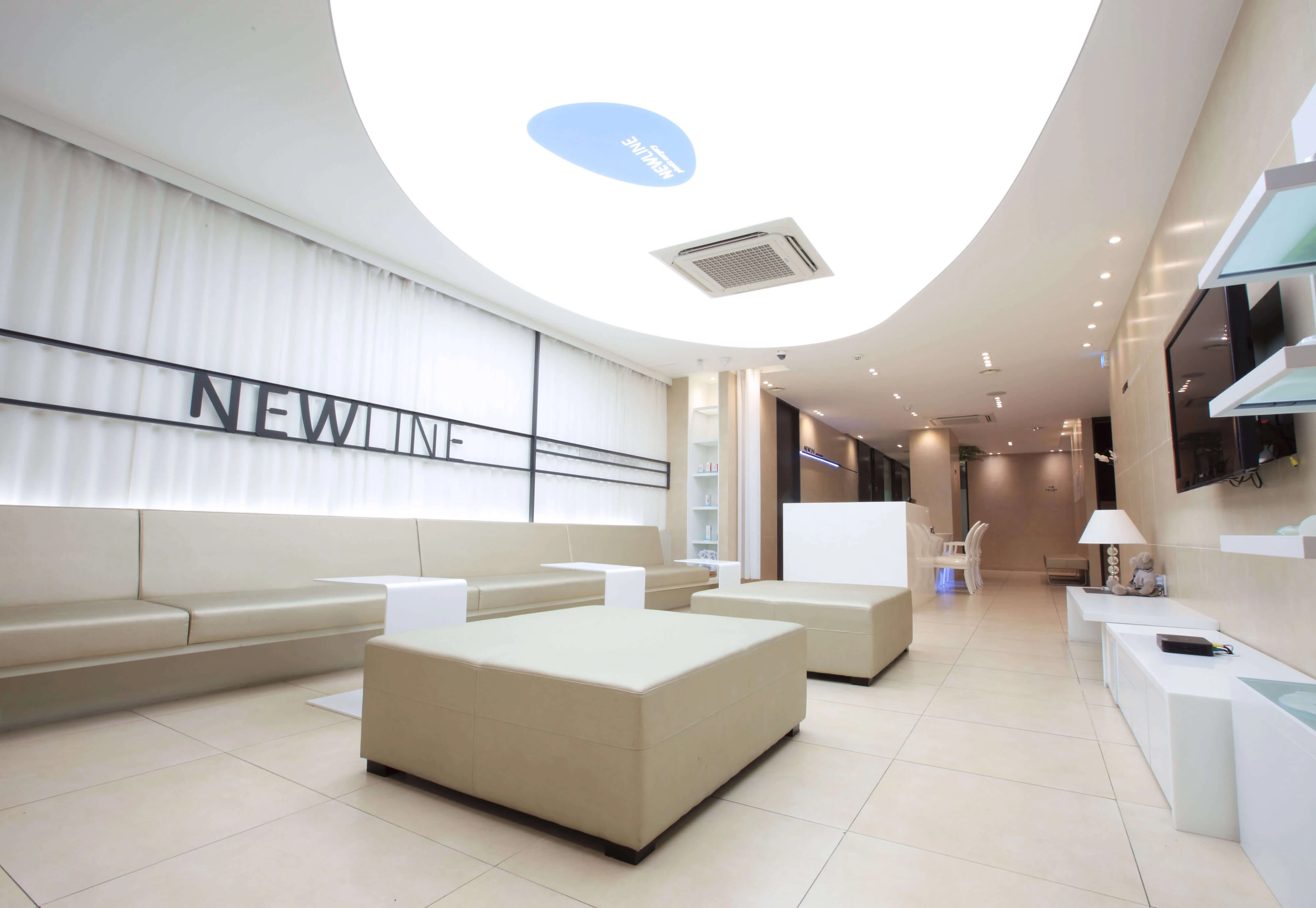
Crooked Nose Correction · Deviated Nose

Crooked nose correction in Busan, Korea — treating the cause of the deviation.

Crooked nose correction is a personalized rhinoplasty procedure designed to improve nasal symmetry while preserving or restoring healthy nasal function. Successful treatment requires identifying the underlying cause of the deviation and tailoring the surgical approach to each patient's anatomy.
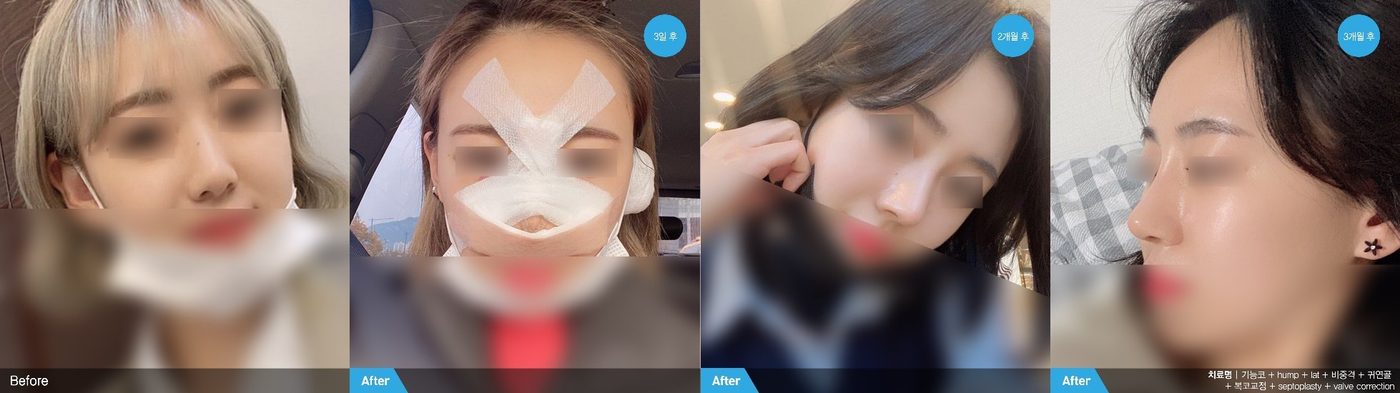
Crooked nose correction improved nasal symmetry at Newline Clinic in Busan, Korea
Crooked Nose Correction
Watch: why noses deviate
Individualized surgical planning Structural & functional evaluation Advanced imaging and assessment Personalized rhinoplasty techniques Structured postoperative care
Crooked Nose Correction at a Glance

Symmetry and airflow, assessed together.

Procedure
Crooked Nose Correction
Common Causes
Congenital · Trauma · Surgery
Often Involves
Septum & Nasal Bones
May Include
Cartilage Grafting
Assessment
Structural & Functional
Final Contour
Develops Over Months
What Is a Crooked Nose?

Cosmetic deviation and structural problems often coexist.

A crooked nose may result from congenital asymmetry, previous trauma, developmental changes, or prior nasal surgery. In many patients, cosmetic concerns coexist with structural problems such as a deviated septum or impaired airflow — which is why correction begins by identifying the underlying cause rather than simply straightening the outside.
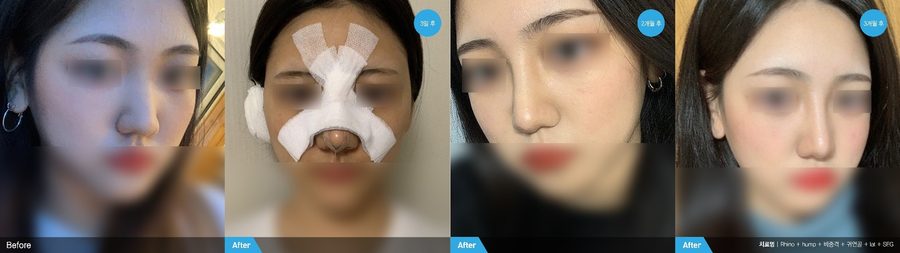
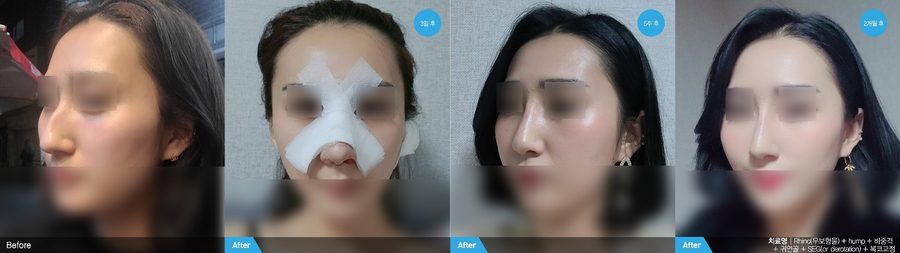
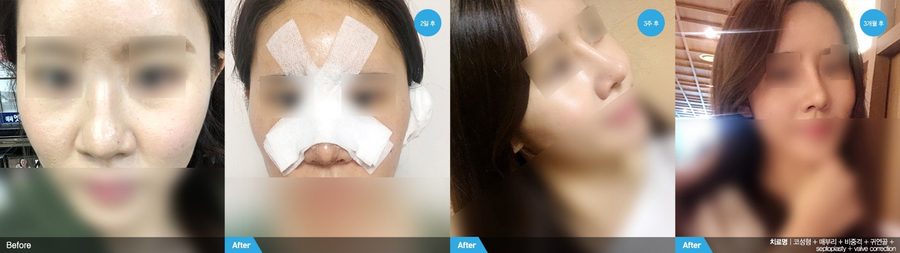
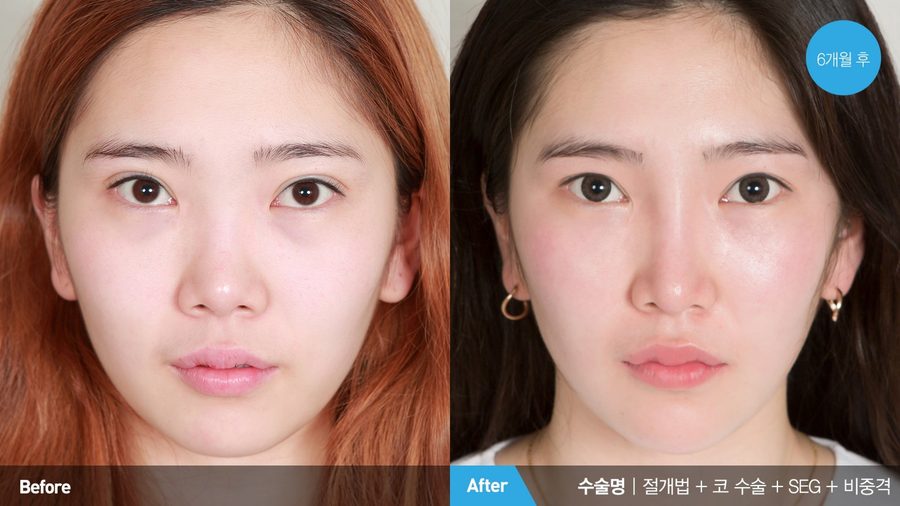
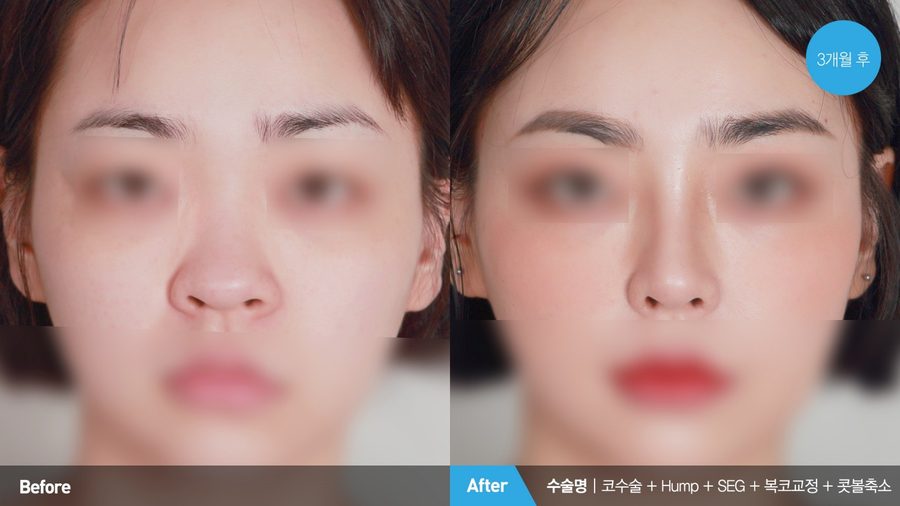
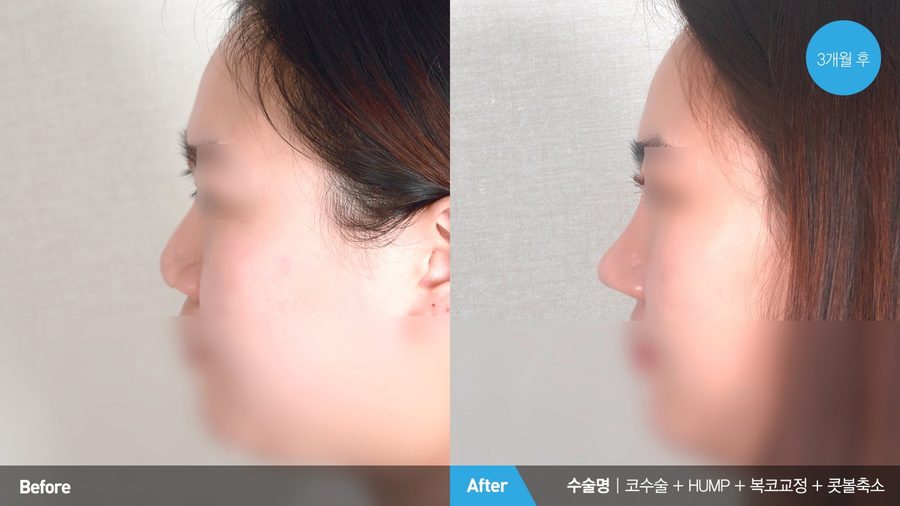
Results

Improved symmetry, angle by angle.

Individual results vary. Photos are examples shown with patient consent and are not a guarantee of outcome.

Comprehensive Evaluation

What treatment planning assesses.

External Nasal Alignment

How the visible nose deviates from the facial midline.

Septal Deviation

Whether the internal septum is displaced.

Nasal Bone Symmetry

Whether the bony framework is asymmetric.

Cartilage Support

The strength and position of the cartilage framework.

Breathing Function

Whether the deviation is affecting airflow.

Facial Proportions

Overall facial proportions guide what straight should look like.

Personalized Surgical Techniques

The technique follows the underlying cause.

When it may be involved
Septal correctionWhen a deviated septum contributes to the deviation or blocks airflow
Nasal bone realignmentWhen the bony framework is asymmetric
Cartilage reshaping & graftingWhen cartilage support is weak, asymmetric, or requires reinforcement
Tip refinementWhen the tip contributes to the appearance of deviation
Functional airway improvementWhen indicated, alongside the cosmetic correction

Depending on the underlying cause, surgery may involve one or several of these. Which apply to you is determined only after structural and functional evaluation.

Potential Benefits

What correction aims to improve.

Improved Nasal Symmetry

The nose is aligned more symmetrically with the face.

Better Facial Balance

Facial balance improves as the deviation is corrected.

Enhanced Structural Support

Cartilage grafting may reinforce a weak framework.

Improved Breathing

For appropriately selected patients, airflow may improve.

Natural-Looking Results

Correction planned to look natural rather than over-straightened.

Who May Benefit?

Candidates are evaluated individually.

You may be suitable if you

  • Have a visibly deviated nose
  • Experience nasal asymmetry after injury
  • Have breathing difficulty related to structural deviation
  • Seek combined cosmetic and functional improvement

A consultation determines your plan

  • The technique depends entirely on the underlying cause
  • Breathing improvement applies to appropriately selected patients
  • Cartilage grafting may be required for support
  • Final contour develops gradually over several months

A structural and functional evaluation is required before a correction plan can be made.

From Consultation to Follow-Up

Your correction journey at Newline.

01

Consultation

Discuss the deviation, any history of trauma or previous surgery, and your goals.

Step Understanding the history
02

Structural Evaluation

External alignment, septal deviation, nasal bone symmetry, and cartilage support are assessed.

Step Assessment
03

Functional Evaluation

Breathing function is assessed alongside the cosmetic concern.

Step Function
04

Individualized Planning

Advanced imaging and assessment support a plan built around the underlying cause.

Step Planning
05

Surgery

May involve septal correction, nasal bone realignment, cartilage reshaping and grafting, tip refinement, and airway improvement when indicated.

Step The procedure
06

Recovery & Follow-Up

Structured postoperative care as the final contour develops over several months.

Step Ongoing care
Recovery and Aftercare

Final contour develops over several months.

Swelling

Temporary swelling is common after surgery.

Bruising

Bruising is common and improves as healing progresses.

Nasal Congestion

Temporary congestion is common as internal tissues heal.

Gradual Refinement

Final contour develops gradually over several months as healing progresses.

Structured postoperative care supports recovery. Your surgeon provides a personalized timeline.

Inside Newline

Meet the team & clinic.

A message from the surgeon, a look inside the clinic, and stories from patients.
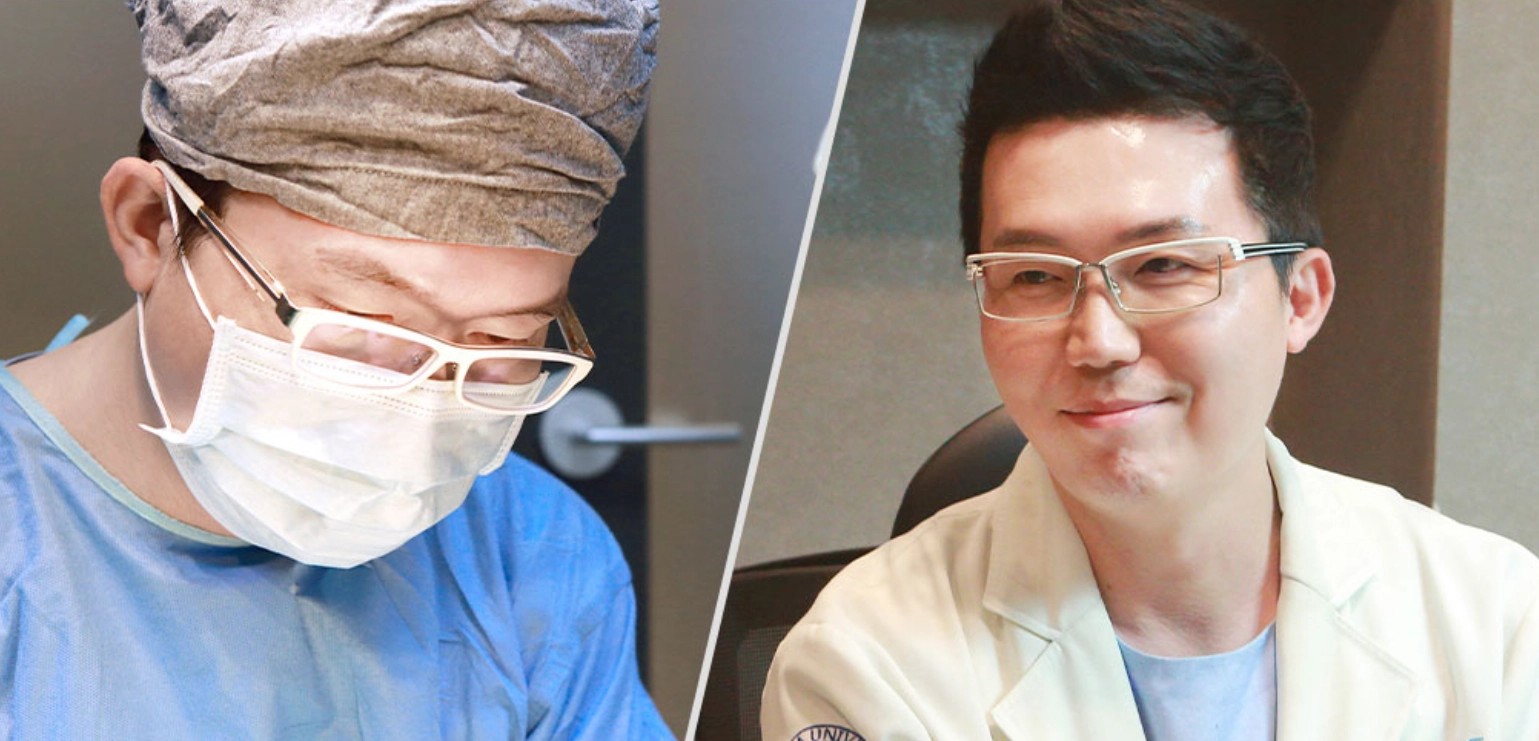
Message from the plastic surgeon at Newline Clinic
Meet the surgeon
Imaging & assessment
Newline Clinic tour in Busan
Clinic tour

Set each block's data-video to your YouTube video ID to enable playback.
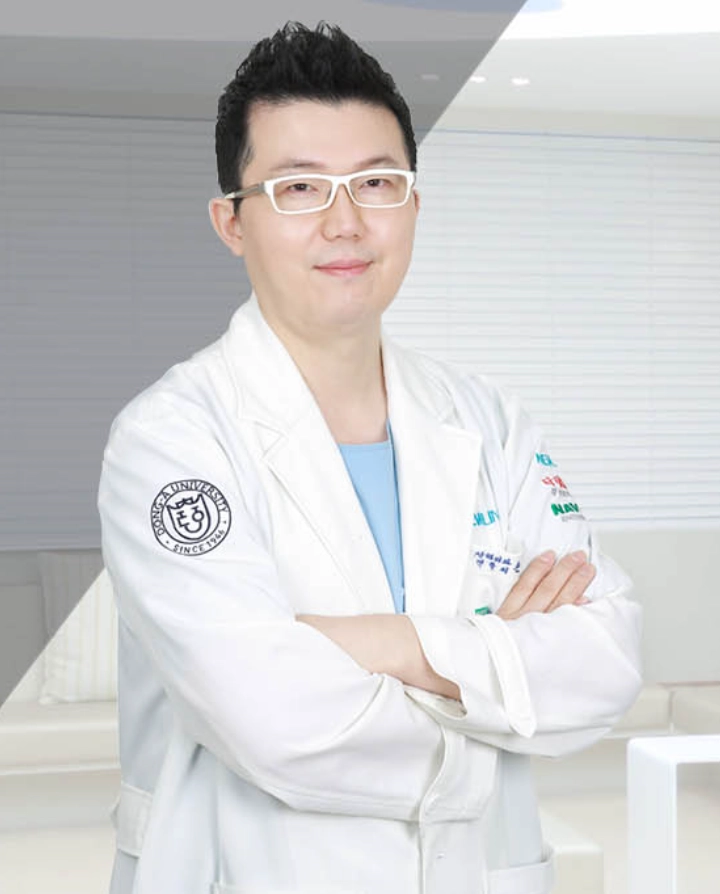
Dr. Son Hee-dong, plastic surgeon at Newline Clinic Busan Surgeon Portrait
About Your Surgeon

Dr. Son Hee-dong,
plastic
surgeon.

A crooked nose that is only straightened on the outside tends to drift back.

Bone, septum, and cartilage each pull the nose their own way — so all three have to be accounted for before anything is moved.

  • Board-certified plastic surgeon · MD, PhD
  • Doctorate in Medicine, Dong-A University Graduate School
  • Clinical Professor, Dept. of Plastic Surgery, Dong-A University Hospital
  • Full member — Korean Society of Plastic and Reconstructive Surgeons, Korean Society for Aesthetic Plastic Surgery, Korean Rhinoplasty Society
  • Experience in structural and functional rhinoplasty
  • Consultation in Korean, English, Japanese and Chinese
View Full Profile
Frequently Asked

Crooked Nose in Busan
questions.

What causes a crooked nose?
A crooked nose may result from congenital asymmetry, previous trauma, developmental changes, or prior nasal surgery. In many patients, cosmetic concerns coexist with structural problems such as a deviated septum or impaired airflow.
Can surgery improve breathing as well as appearance?
Improved breathing is possible for appropriately selected patients. Functional airway improvement may be included when indicated, alongside septal correction, bone realignment, cartilage work, and tip refinement.
How long is recovery?
Temporary swelling, bruising, and nasal congestion are common after surgery. Final contour develops gradually over several months as healing progresses.
Will cartilage grafts be needed?
Cartilage reshaping and grafting may be part of the plan depending on the underlying cause, particularly where cartilage support is weak or asymmetric. This is determined after evaluation.
Is crooked nose correction different from standard rhinoplasty?
Yes. Successful treatment requires identifying the underlying cause of the deviation — external alignment, septal deviation, nasal bone asymmetry, or cartilage support — and tailoring the approach, rather than applying a standard cosmetic technique.
What does the evaluation include?
Treatment planning includes assessment of external nasal alignment, septal deviation, nasal bone symmetry, cartilage support, breathing function, and overall facial proportions.
Can a nose be perfectly straight after surgery?
The goal is improved nasal symmetry and facial balance. Complete symmetry cannot be guaranteed, as outcomes depend on the underlying cause, your anatomy, and how the tissues heal.
My nose became crooked after an injury — can it be corrected?
Nasal asymmetry after injury is one of the situations where correction may be appropriate. Previous trauma is a recognized cause, and the plan depends on which structures were affected.
What if my nose is crooked after previous surgery?
Prior nasal surgery is a recognized cause of deviation. Correction in this situation requires careful evaluation of the altered anatomy and remaining cartilage support.
Considering Crooked Nose Correction in Busan?

Start with a
structural evaluation.

Because the right technique depends on whether the deviation comes from bone, septum, cartilage, or a combination, planning begins with an assessment of alignment, septal deviation, bone symmetry, cartilage support, and breathing function.

Visit the clinic

Find Newline in Busan.

Newline Clinic
40 Bujeon-ro 66beon-gil, Floors 2–5
Busanjin-gu, Busan 47287
Republic of Korea

+82 51 806 0100 · WhatsApp

Get Directions

Individual results and recovery experiences vary. This page is provided for general educational purposes and does not constitute a diagnosis, treatment recommendation, or guarantee of surgical results. Complete nasal symmetry cannot be guaranteed, and improved breathing applies to appropriately selected patients. All surgical procedures involve potential risks, including bleeding, infection, persistent or recurrent deviation, asymmetry, septal perforation, breathing changes, altered sensation or smell, graft-related complications, scarring, dissatisfaction with the outcome, and the possible need for revision surgery. The appropriate treatment and expected outcome can only be determined following an in-person examination and consultation with a qualified medical professional. Newline Clinic is licensed under the Korean Medical Service Act.

Request a Consultation

Tell us what you're considering.

Send your details and our international team will get back to you. No obligation — just a starting point.

Our international team replies in English, Japanese and Chinese — usually within one business day.