01
Individualized Planning
The plan is built from your fat protrusion, tear trough depth, skin, support, and goals.
Under-eye fat surgery is designed to improve puffy eye bags, tear trough irregularities, and tired-looking eyes. Depending on your anatomy, treatment may involve removing excess orbital fat or repositioning existing fat to create a smoother, more youthful transition between the lower eyelid and cheek.
The orbital septum weakens and the fat bulges forward.
Weakening of the orbital septum allows fat around the eye to bulge forward, creating visible under-eye bags. Individual anatomy, aging, and hereditary factors all contribute. Because the cause is structural, treatment depends on your anatomy: fat removal for prominent bags with good skin support, or fat repositioning to redistribute existing fat into hollow areas while preserving volume.
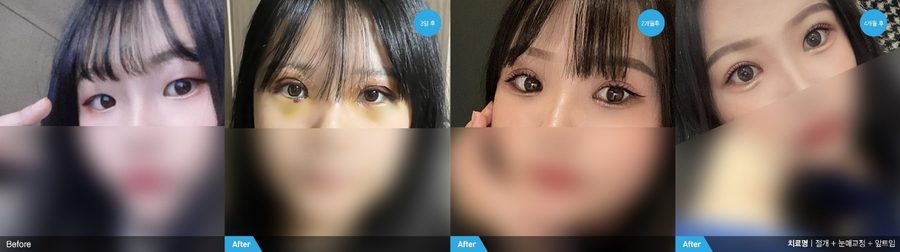
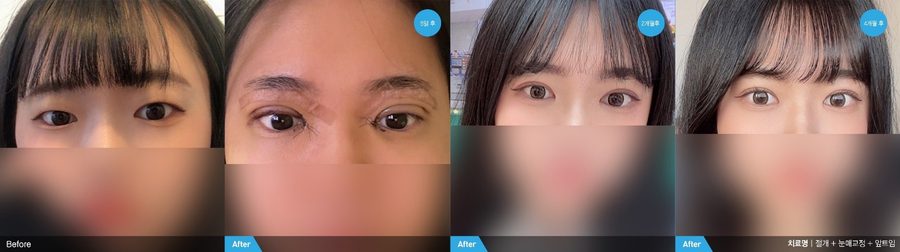
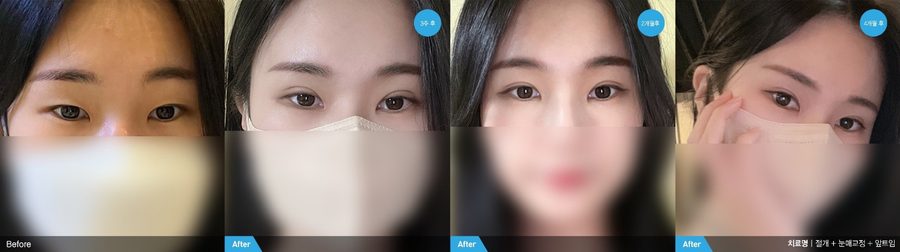
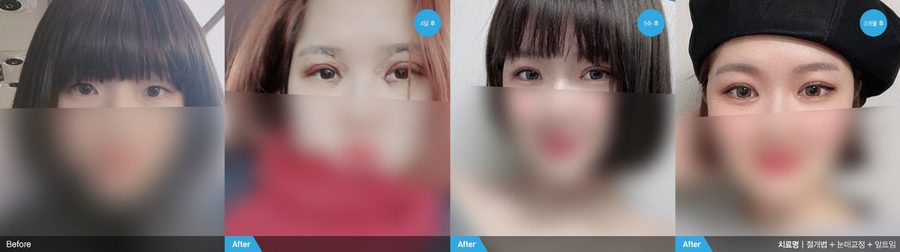
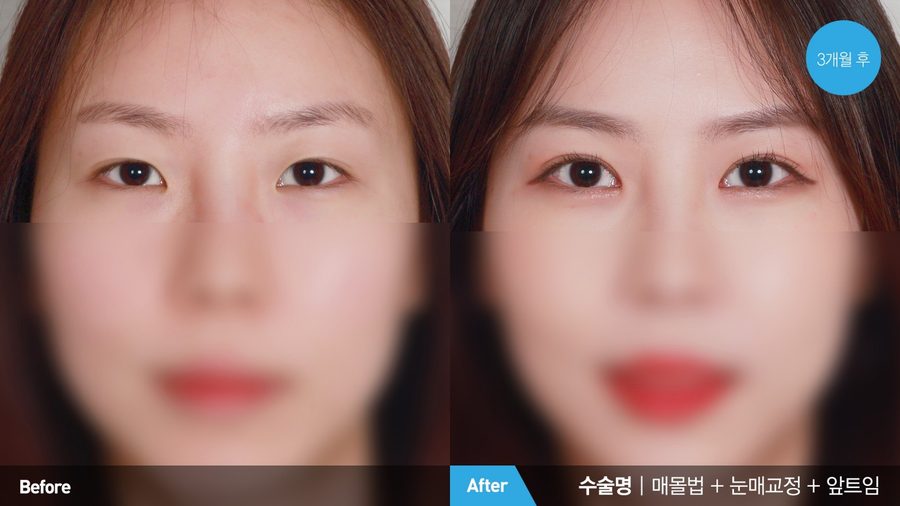
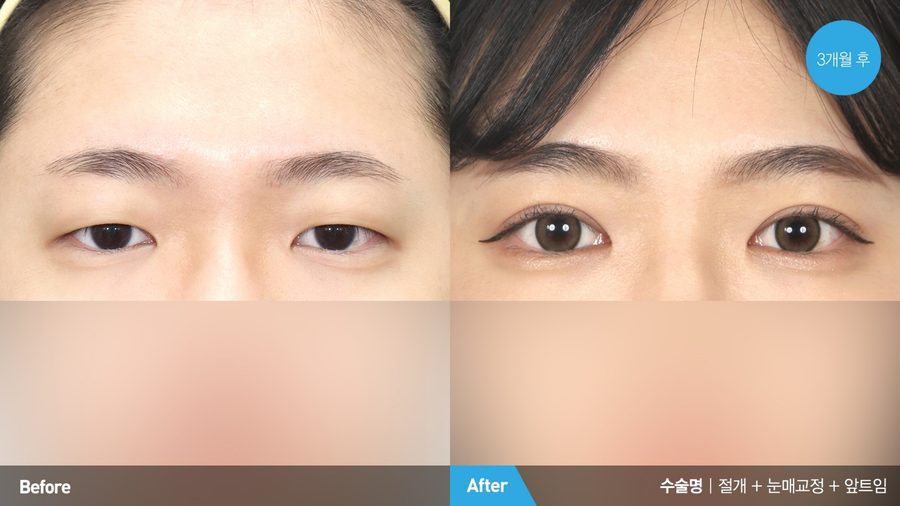
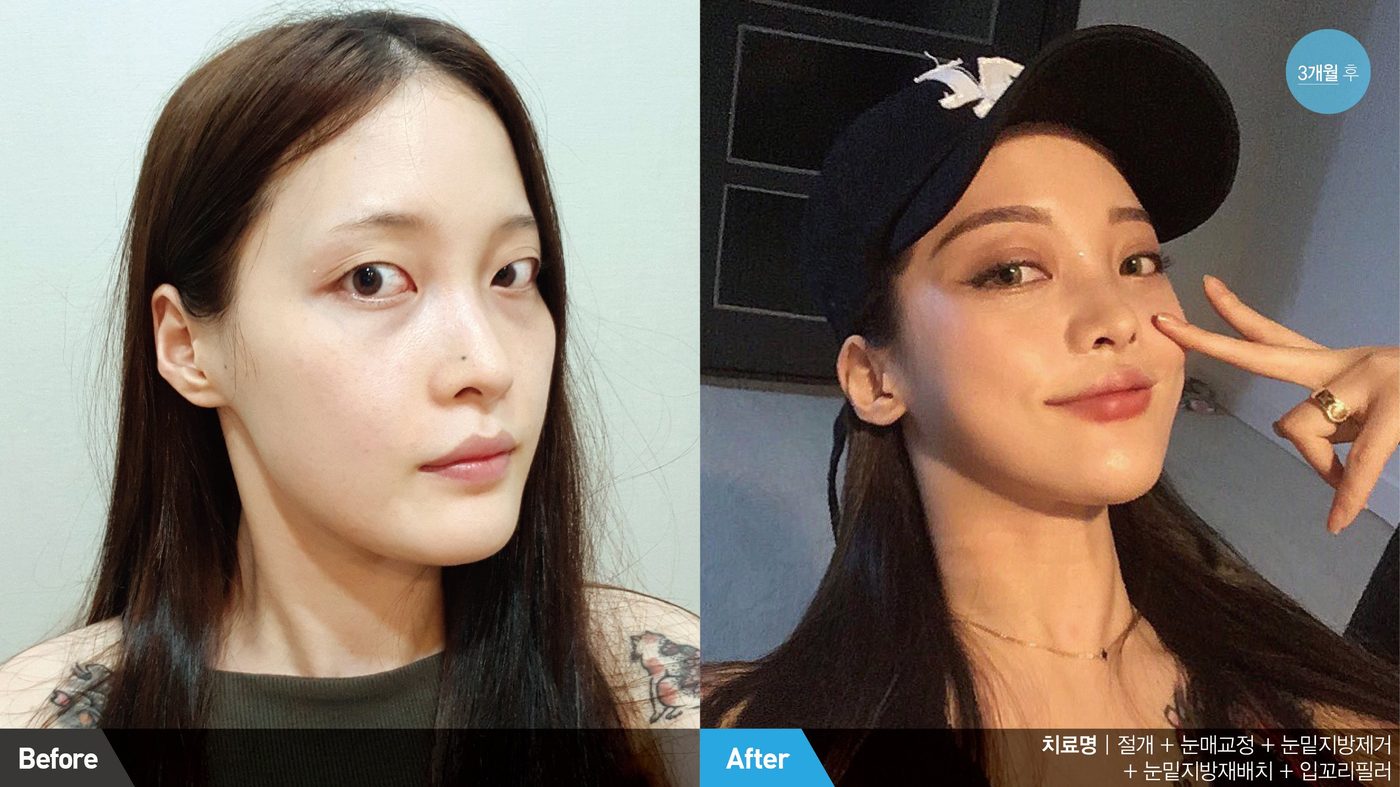
Individual results vary. Photos are standardized examples shown with patient consent and are not a guarantee of outcome.
| Under-Eye Fat Removal | Under-Eye Fat Repositioning | |
|---|---|---|
| What it does | Removes excess protruding fat | Redistributes existing fat into hollow areas |
| Best suited for | Prominent eye bags with good skin support | Patients whose tear trough needs softening while preserving volume |
| Effect on volume | Reduces protruding volume | Preserves volume and moves it where it is needed |
| Tear trough | Addressed indirectly by reducing the bulge | Helps soften the tear trough directly |
Neither option is better in general. The appropriate approach depends on your degree of fat protrusion, tear trough depth, skin quality, lower eyelid support, facial balance, and desired outcome.
How much fat bulges forward guides removal versus repositioning.
A deep trough may benefit from redistributed volume.
Skin condition affects the contour result and approach.
Eyelid support influences what can safely be done.
The under-eye is planned in relation to the whole face.
Your aesthetic goals are reviewed against your anatomy.
The plan is built from your fat protrusion, tear trough depth, skin, support, and goals.
An internal conjunctival approach is used when appropriate, supporting minimal visible scarring.
Orbital fat is removed or repositioned according to the plan.
Careful contour refinement for a smooth lower eyelid.
Protruding orbital fat is addressed directly.
The transition between eyelid and cheek is smoothed.
A less fatigued appearance where shadowing was contour-related.
Improvement planned to look rested rather than operated.
Minimal visible scarring with suitable approaches.
A consultation and examination are required to determine whether removal, repositioning, or a combination is appropriate for you.
Temporary swelling is common after the procedure.
Bruising is common and resolves as healing progresses.
Recovery varies according to the procedure performed.
Final improvement develops gradually as healing progresses.
Structured postoperative care and comprehensive patient management support recovery. Your surgeon provides a personalized timeline.
A message from the surgeon, a look inside the clinic, and stories from patients.
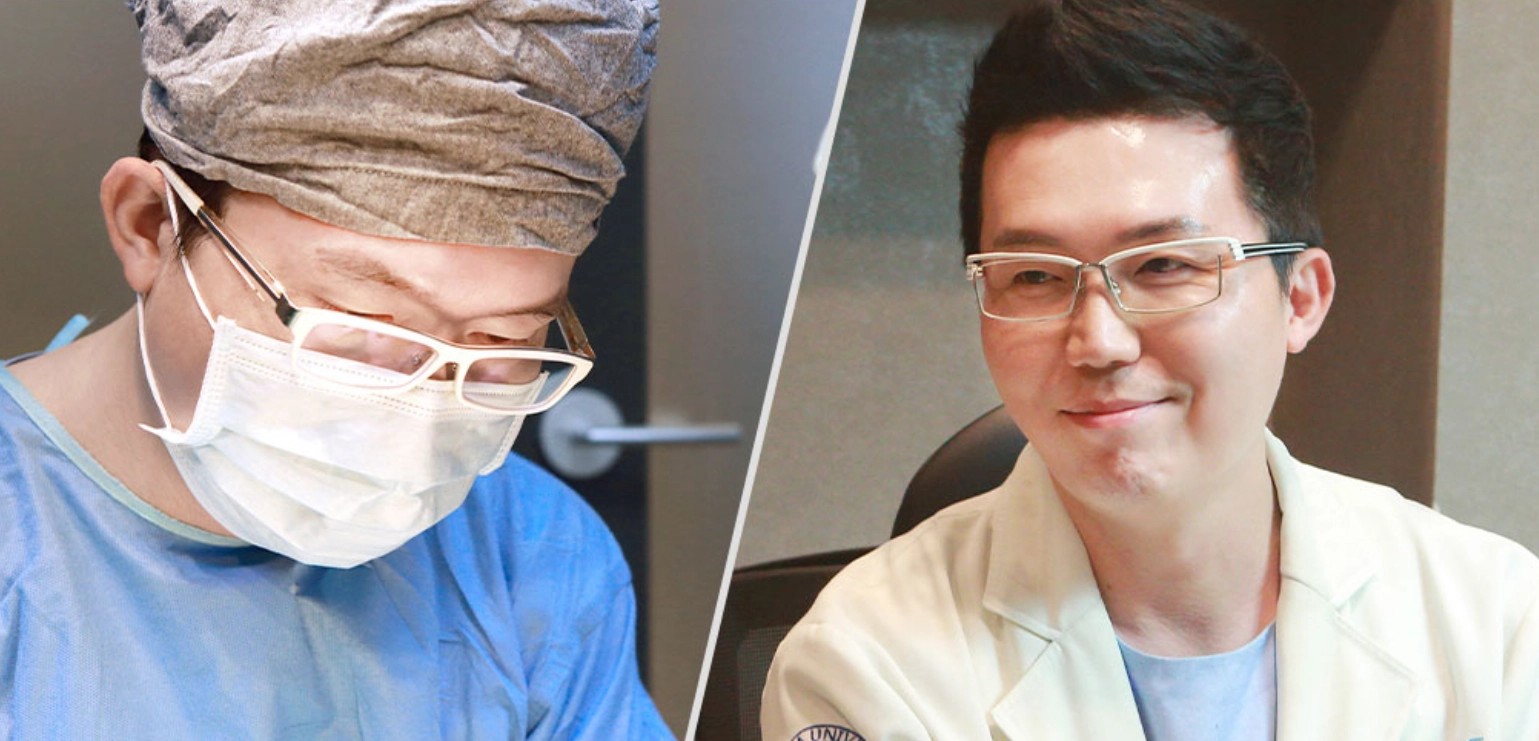

Set each block's data-video to your YouTube video ID to enable playback.
 Surgeon Portrait
Two patients can have the same bag and need opposite operations.
One has good support and simply needs the excess removed; the other needs that same fat moved into the hollow beneath it.
Because removal and repositioning suit different anatomy, every patient is evaluated on fat protrusion, tear trough depth, skin quality, lower eyelid support, facial balance, and goals before a technique is recommended.
Individual results and recovery experiences vary. This page is provided for general educational purposes and does not constitute a diagnosis, treatment recommendation, or guarantee of surgical results. Dark circles have multiple causes, and not all types respond to contour surgery. All surgical procedures involve potential risks, including bleeding, infection, asymmetry, contour irregularity, hollowing from excessive fat removal, undercorrection or overcorrection, altered sensation, dry eye or irritation, lower eyelid position change, dissatisfaction with the outcome, and the possible need for additional treatment. The appropriate treatment and expected outcome can only be determined following an in-person examination and consultation with a qualified medical professional. Newline Clinic is licensed under the Korean Medical Service Act.
Send your details and our international team will get back to you. No obligation — just a starting point.