01
Consultation
Discuss symptoms, desired breast size, quality-of-life concerns, and your goals.
Breast reduction surgery is designed to reduce excessive breast volume while improving breast shape, proportion, and physical comfort. The procedure aims to create breasts that are more balanced with the patient's body while preserving a natural appearance whenever clinically appropriate.
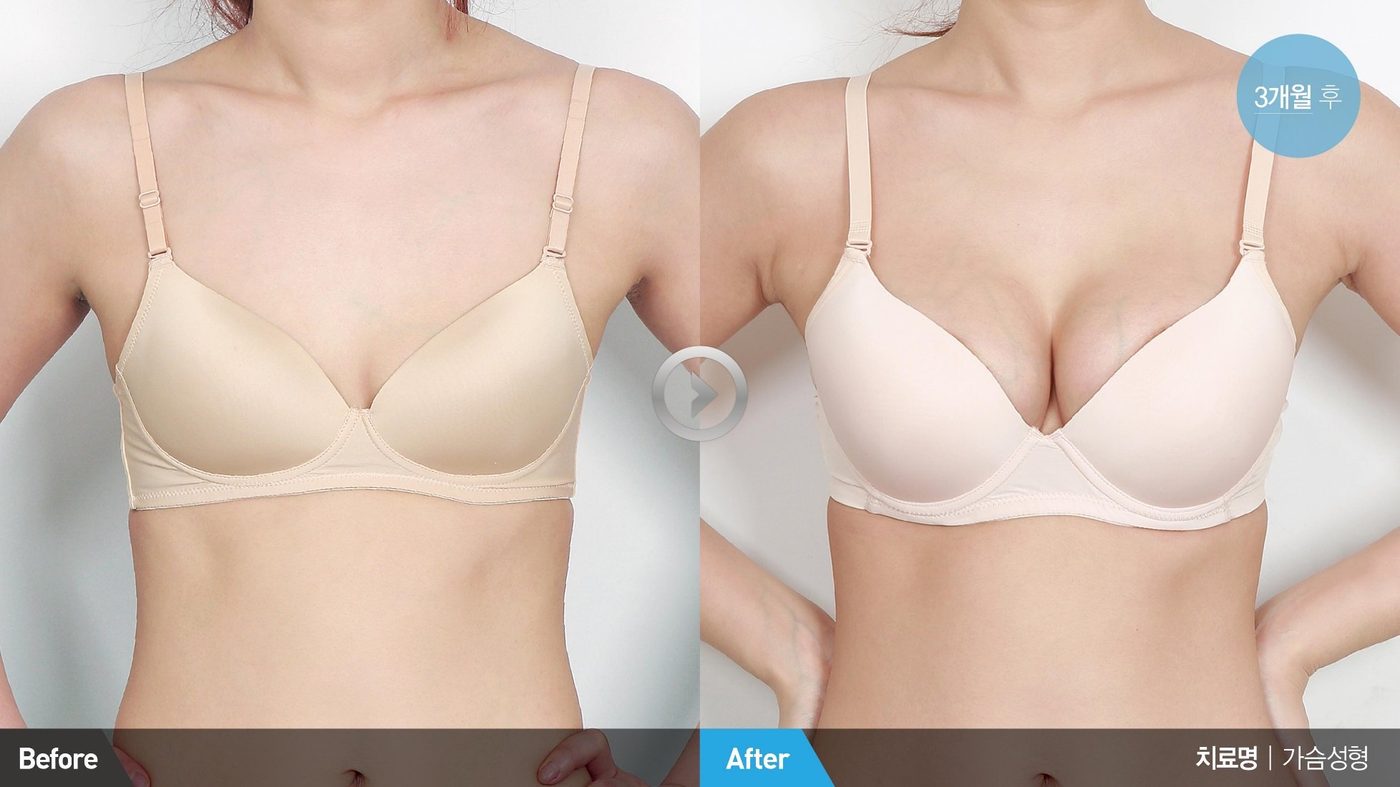
Reducing excessive volume while improving shape and comfort.
Breast reduction reduces excessive breast volume while improving breast shape, proportion, and physical comfort. Breasts significantly larger than body proportions may contribute to musculoskeletal discomfort and skin irritation. The most appropriate technique depends on breast size, skin quality, nipple position, and surgical goals — determined after measurements, proportion analysis, and consultation.
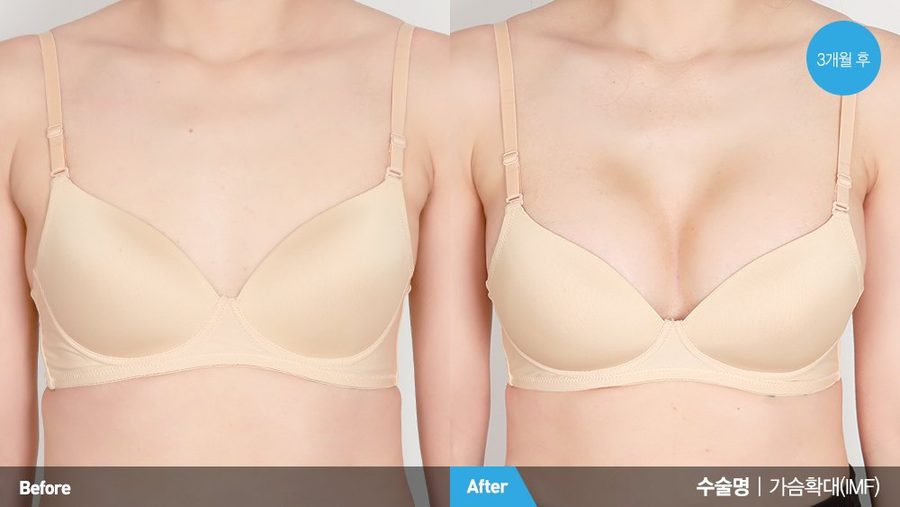
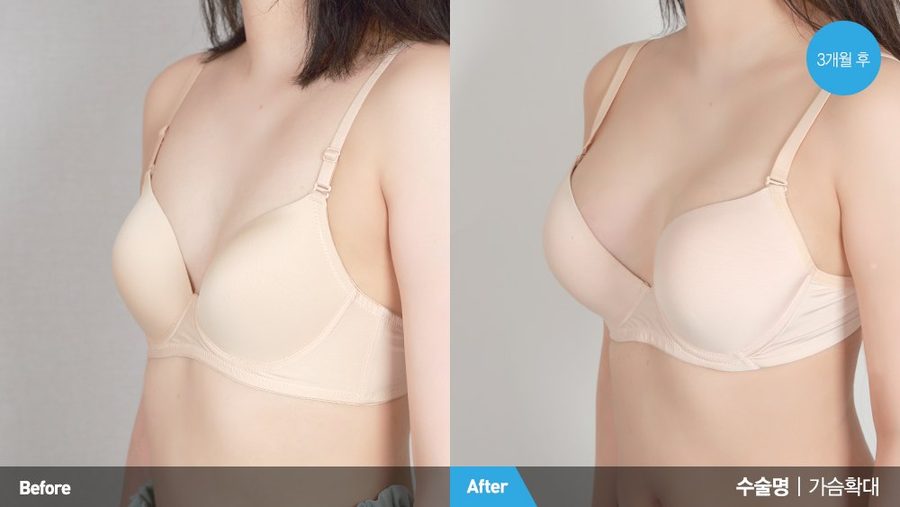
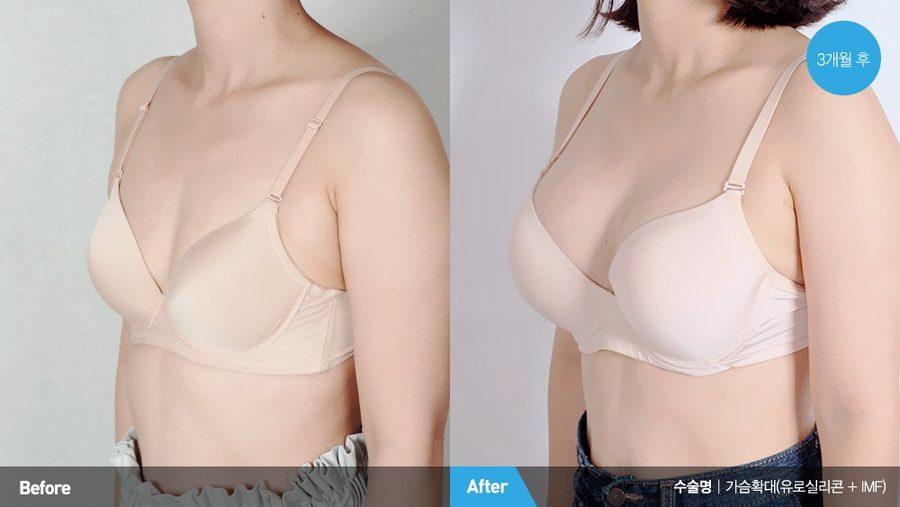
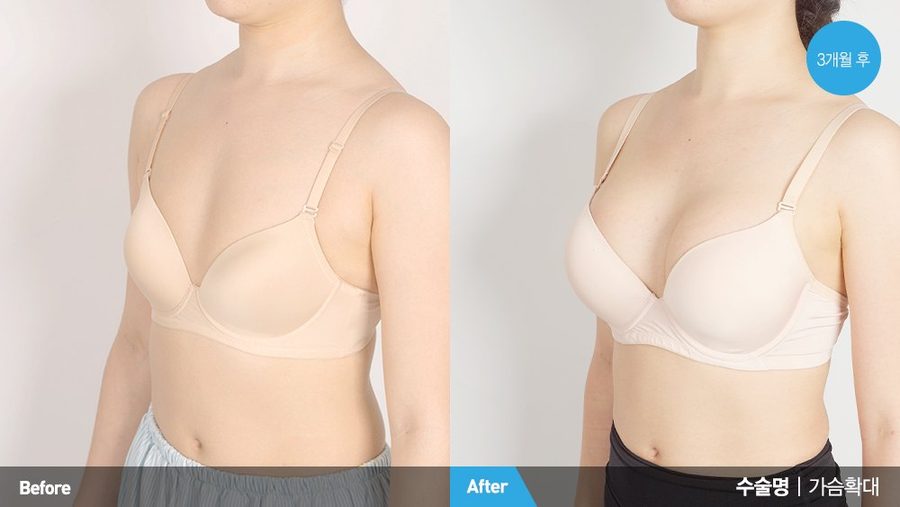
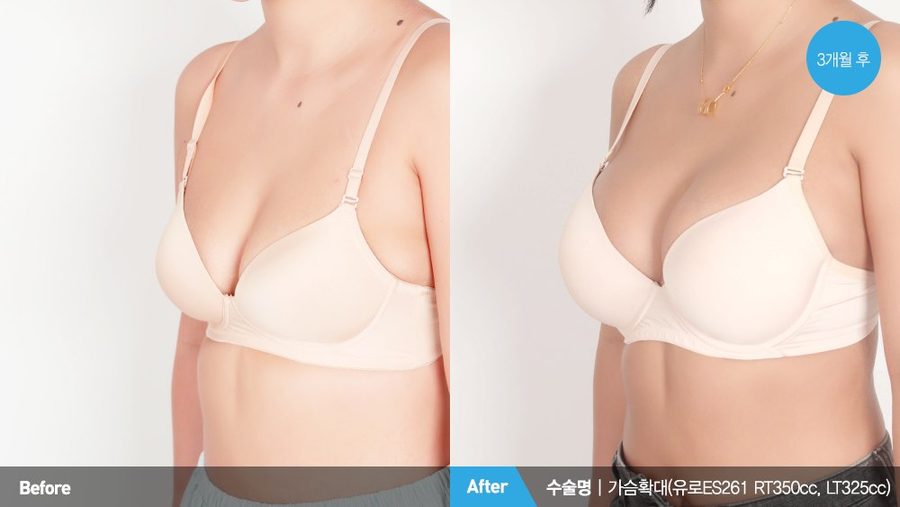
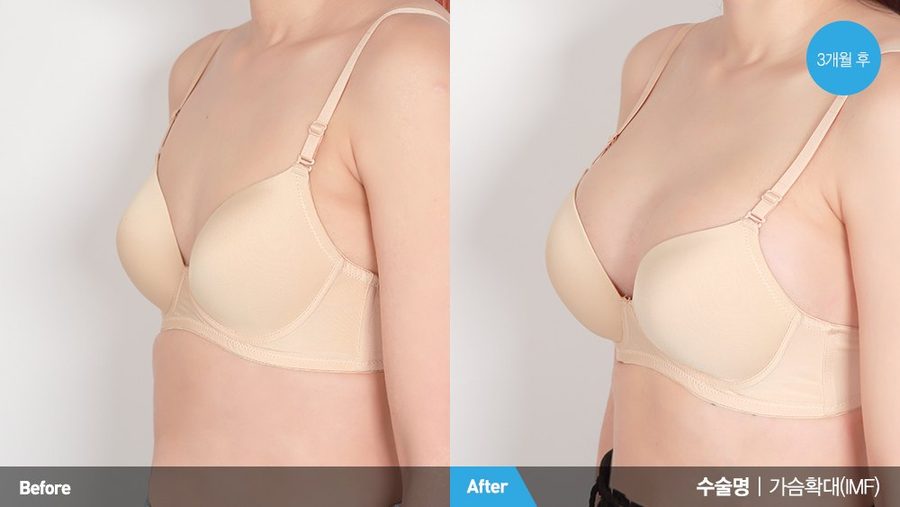
Individual results vary. Photos are standardized examples shown with patient consent and are not a guarantee of outcome.
Breasts significantly larger than body proportions may contribute to musculoskeletal discomfort.
Excess breast weight may affect posture over time.
Straps may dig into the shoulders under sustained weight.
Irritation may develop in the skin beneath the breasts.
Physical activity and finding comfortable clothing may be difficult.
Emotional or quality-of-life concerns related to breast size.
| What it involves | When it may be considered | |
|---|---|---|
| Periareolar incision | Incision at the border of the areola | Selected patients with mild enlargement and minimal sagging |
| Vertical incision | Incision pattern that maintains breast shape | Commonly used for moderate reduction |
| Anchor (inverted-T) incision | Greater tissue removal and skin reduction | Often considered for significant enlargement or severe breast ptosis |
The most appropriate technique depends on breast size, skin quality, nipple position, and surgical goals. Every technique leaves scars; the trade-offs should be discussed during consultation.
Breasts more balanced with your overall frame.
Relief of symptoms associated with excessively large breasts.
Clothing may fit more comfortably.
Improved comfort and mobility during exercise.
Shape is improved alongside volume reduction.
A consultation and physical examination are required to determine whether reduction is appropriate and which technique suits your anatomy.
Discuss symptoms, desired breast size, quality-of-life concerns, and your goals.
Objective measurements support technique selection and surgical planning.
Proportion analysis and skin quality evaluation, supported by 3D breast analysis.
Periareolar, vertical, or anchor approach based on size, skin quality, nipple position, and goals.
Performed by the plastic surgery team with careful intraoperative monitoring.
Individualized aftercare instructions and structured follow-up appointments.
Swelling is expected during early healing and improves gradually.
Bruising is a normal part of recovery and resolves over time.
Discomfort is expected in the early recovery period.
Patients receive personalized aftercare instructions and follow-up appointments.
Recovery varies between individuals. Your surgeon provides a timeline based on your technique and healing response.
General surgical risks that apply to any operation.
Healing may be slower in some patients or areas.
Sensation may change after surgery.
Asymmetry and scarring are possible outcomes of surgery.
Additional surgery may be needed in some cases.
Individual risks depend on your anatomy, medical history, technique, and healing response, and should be discussed during consultation.
A message from the surgeon, a look inside the clinic, and stories from patients.


Set each block's data-video to your YouTube video ID to enable playback.
 Surgeon Portrait
Breast reduction is not only about removing volume.
It is about relieving the symptoms that brought you here while shaping a breast that stays balanced with your body.
Every patient undergoes breast measurements, proportion analysis, skin quality evaluation, and a discussion of desired breast size before a surgical plan is made. A consultation is the first step toward understanding which technique suits your anatomy and goals.
Individual results and recovery experiences vary. This page is provided for general educational purposes and does not constitute a diagnosis, treatment recommendation, or guarantee of surgical results. Cup-size illustrations are illustrative only and do not replace clinical assessment. Potential risks include bleeding, infection, delayed wound healing, altered nipple sensation, asymmetry, scarring, effects on breastfeeding, dissatisfaction with the outcome, and the possibility of revision surgery. The appropriate treatment, technique, and expected outcome can only be determined following an in-person examination and consultation with a qualified medical professional. Newline Clinic is licensed under the Korean Medical Service Act.
Send your details and our international team will get back to you. No obligation — just a starting point.