01
Consultation
Your aesthetic concerns, breathing symptoms, previous surgery, and goals are discussed.
Male rhinoplasty is designed to create a balanced, natural, and masculine nasal appearance while maintaining harmony with the overall facial structure. Rather than following the same design principles used for female patients, treatment is planned around male anatomy and proportions.

A masculine nose is defined by restraint, not height.
Male rhinoplasty is planned around male anatomy and proportions: a straighter dorsal line, more defined nasal bridge, controlled tip rotation, natural masculine profile, and balanced facial proportions. Crucially, excessive nasal height or over-rotation is avoided — those are exactly the changes that make a male nose look feminized or operated.
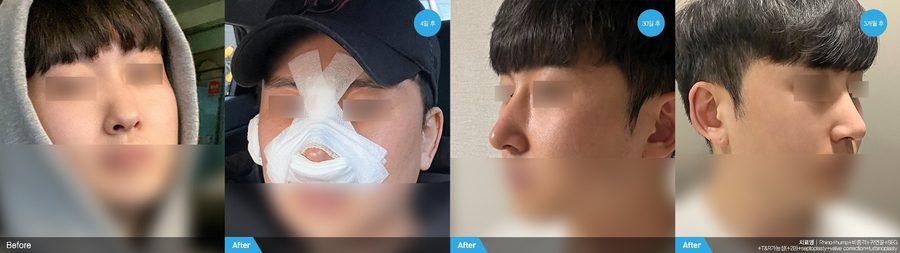
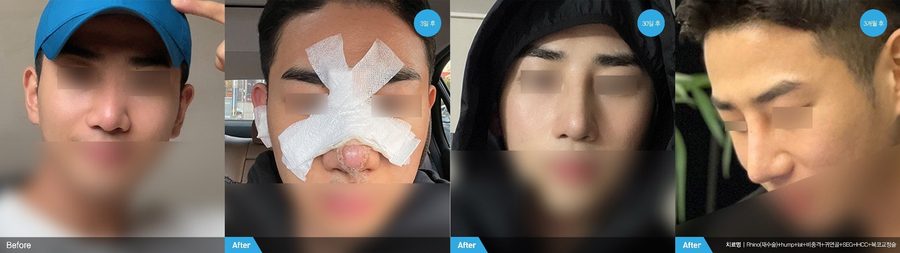
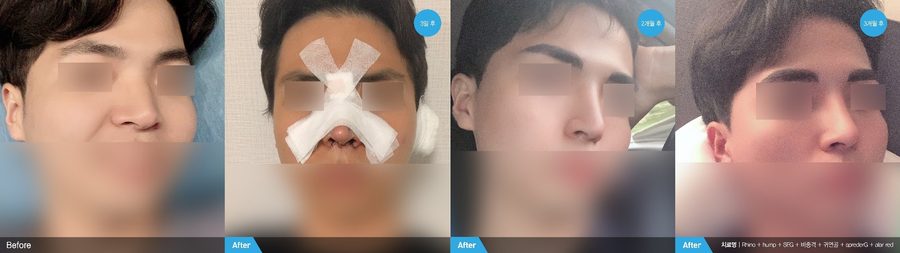
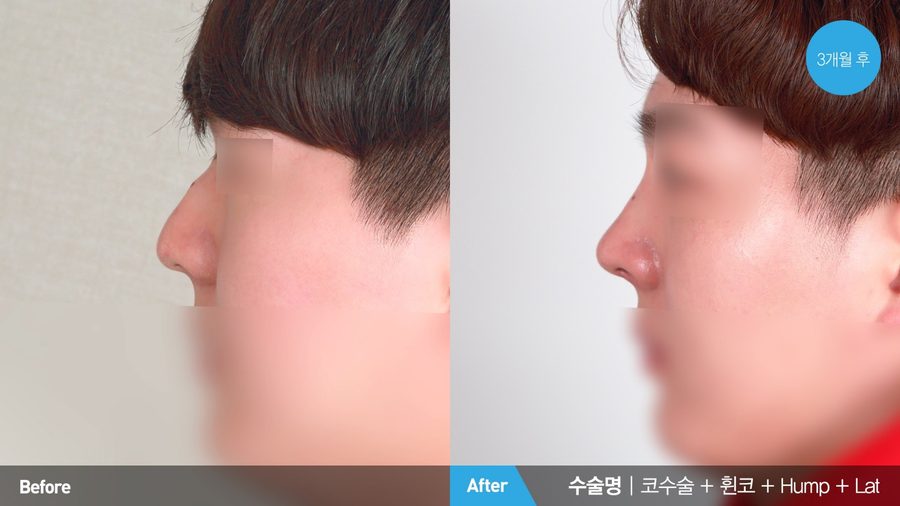
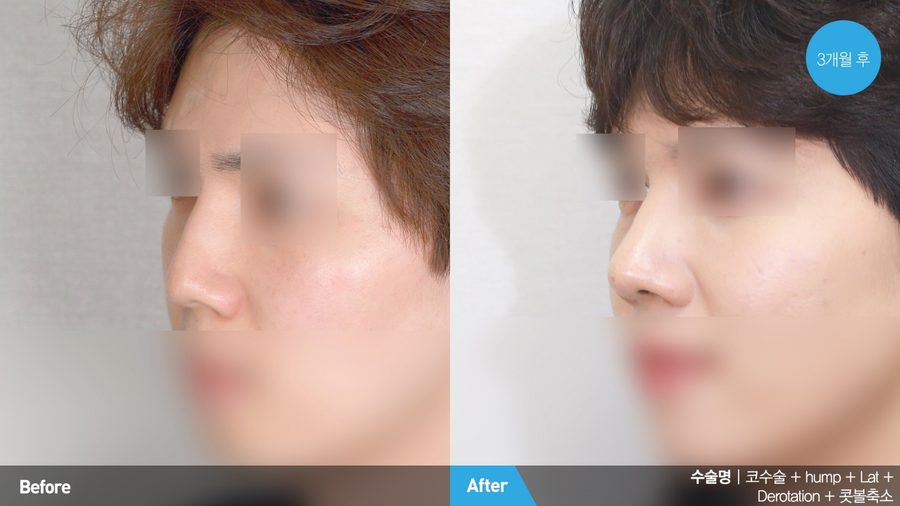
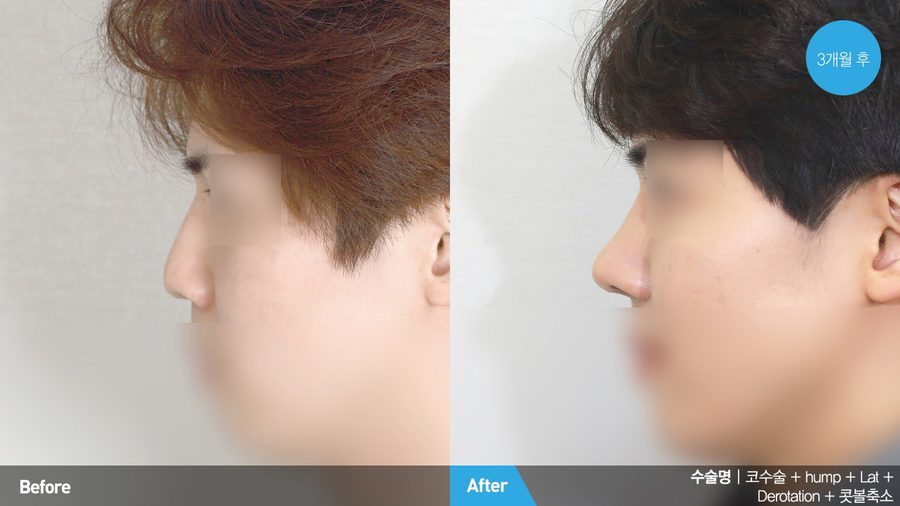
Individual results vary. Photos are standardized examples shown with patient consent and are not a guarantee of outcome.
| Male nasal design emphasizes | |
|---|---|
| Dorsal line | A straighter dorsal line rather than a curved one |
| Bridge | A more defined nasal bridge, without excessive height |
| Tip | Controlled tip rotation, avoiding over-rotation |
| Profile | A natural masculine profile in balance with facial proportions |
| Planning | Individualized to male anatomy rather than a standard design |
Rather than following the same design principles used for female patients, treatment is planned around male anatomy and proportions. The appropriate technique depends on your individual assessment.
Your existing nasal framework guides what can be achieved.
Skin thickness influences definition and the surgical approach.
The nose is planned in relation to your overall facial structure.
Functional assessment is included when clinically indicated.
Your goals are reviewed against your anatomy and masculine design principles.
Any previous nasal surgery affects planning and what is achievable.
A profile designed to look masculine rather than feminized.
A more defined bridge without excessive height.
The nose is planned in harmony with your facial structure.
Planning is customized to male anatomy and proportions.
Breathing function is assessed when clinically indicated.
A consultation and physical examination are required to determine which approach is appropriate for your anatomy and goals.
Your aesthetic concerns, breathing symptoms, previous surgery, and goals are discussed.
Nasal structure, skin thickness, and facial proportions are assessed against male design principles.
Breathing function is evaluated when clinically indicated.
A straighter dorsal line, defined bridge, and controlled tip rotation are planned for your face.
Structural rhinoplasty techniques are performed according to your individualized plan.
Structured postoperative management monitors healing and refinement.
Temporary swelling and bruising are common during early healing.
Temporary congestion may occur due to internal swelling and normal postoperative changes.
The nasal shape continues to refine as swelling settles, particularly at the tip.
Structured postoperative management and follow-up are provided.
Recovery depends on the technique used, extent of correction, and individual healing. Your surgeon provides a personalized timeline.
A message from the surgeon, a look inside the clinic, and stories from patients.
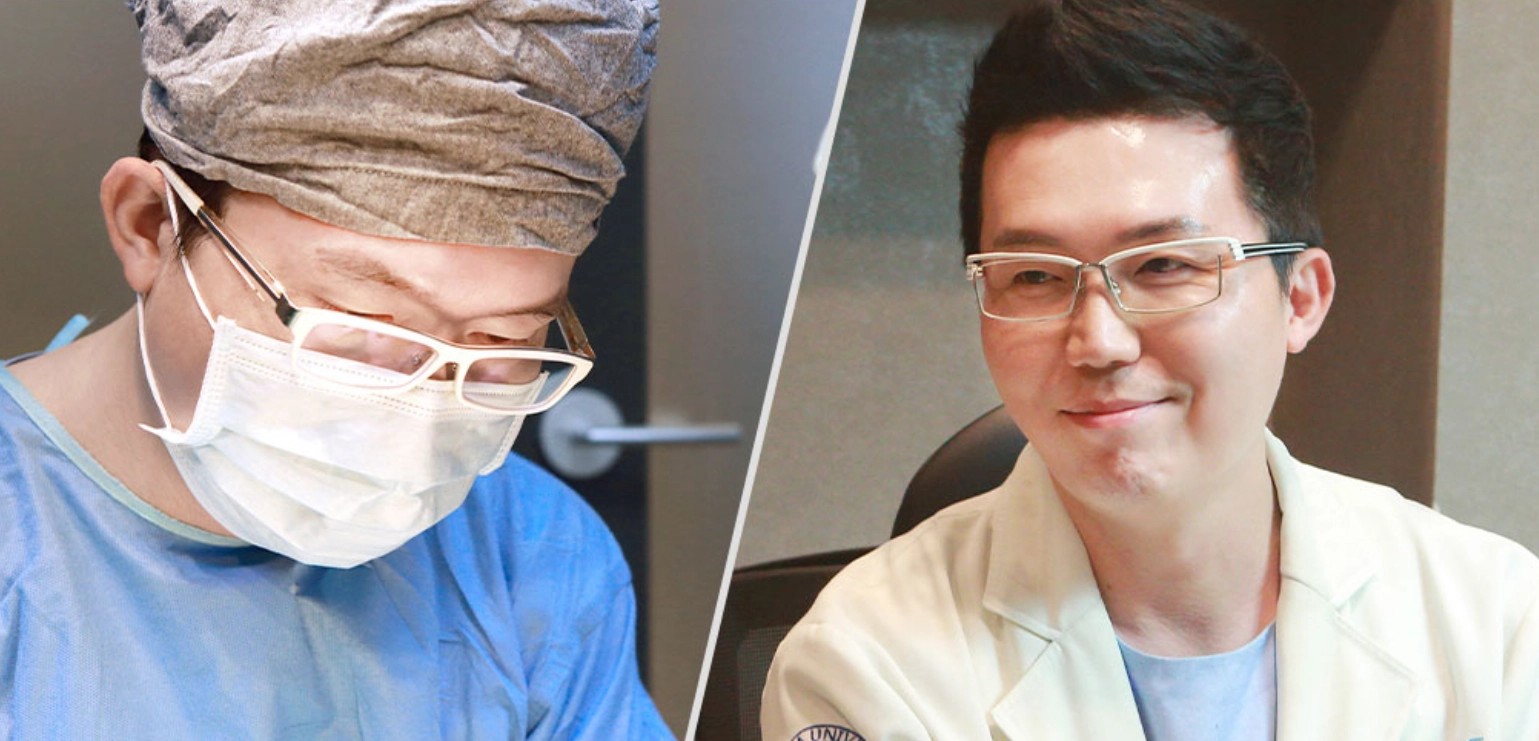
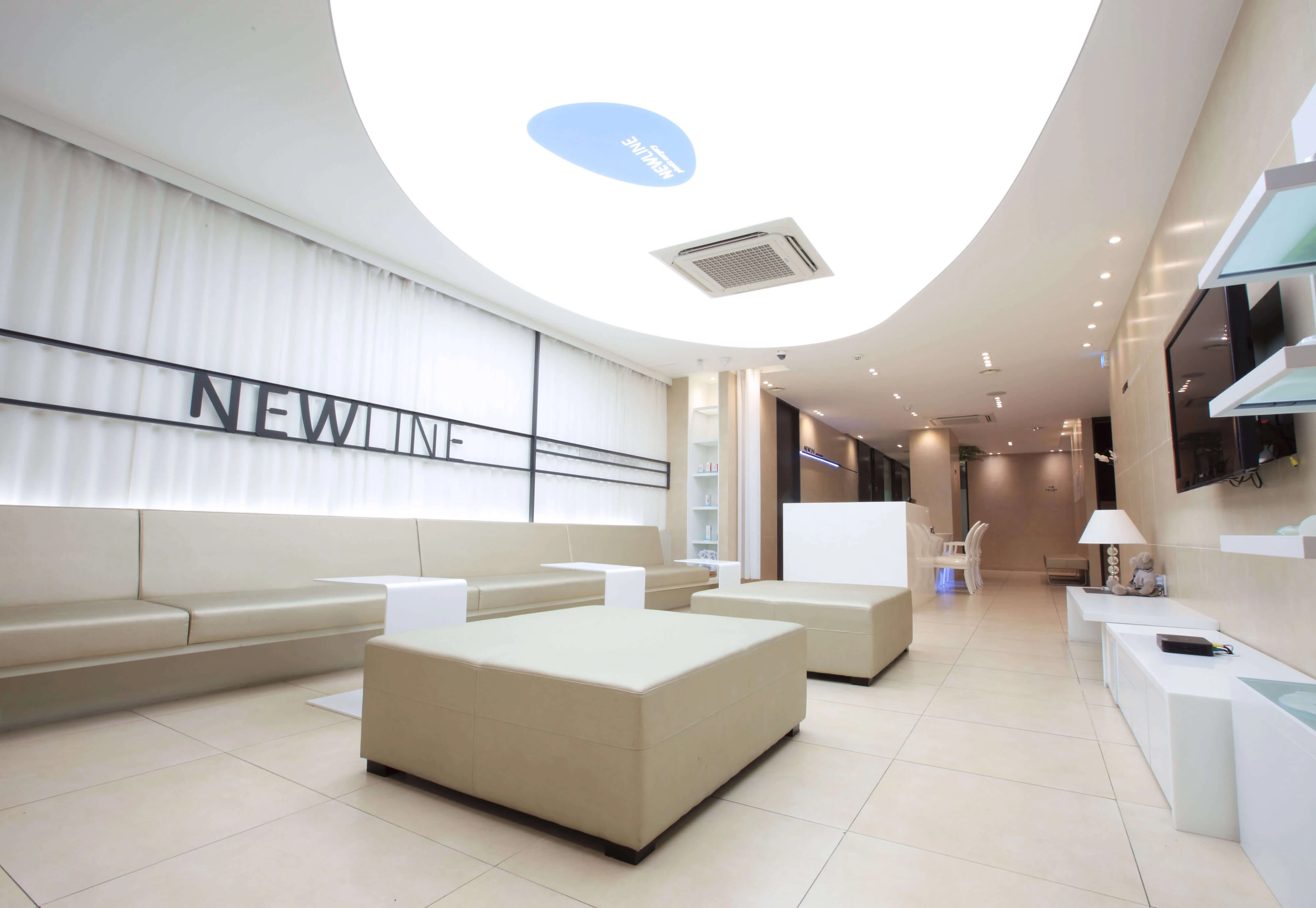
Set each block's data-video to your YouTube video ID to enable playback.
 Surgeon Portrait
The fastest way to feminize a male nose is to make it too high and too rotated.
Restraint is the technique: a straight line, a defined bridge, and a tip that stays where it belongs.
Planning considers your nasal structure, skin thickness, facial proportions, breathing function where indicated, goals, and any previous surgery — so the design suits male anatomy rather than a standard template.
Individual results and recovery experiences vary. This page is provided for general educational purposes and does not constitute a diagnosis, treatment recommendation, or guarantee of surgical results. All surgical procedures involve potential risks, including bleeding, infection, adverse reaction to anesthesia, asymmetry, persistent swelling, contour irregularity, scarring, altered sensation or smell, breathing changes, septal perforation, graft or implant-related complications, dissatisfaction with the outcome, and the possible need for revision surgery. The appropriate technique and expected outcome can only be determined following an in-person examination and consultation with a qualified medical professional. Newline Clinic is licensed under the Korean Medical Service Act.
Send your details and our international team will get back to you. No obligation — just a starting point.