01
Structural Cartilage Grafting
Structural cartilage grafting is used when appropriate, following an evaluation of the cartilage available after previous surgery.
Revision rhinoplasty is a secondary nose surgery performed to improve the appearance, structural support, or function of the nose after a previous rhinoplasty. Every revision case requires an individualized evaluation, because the causes of dissatisfaction vary from patient to patient.
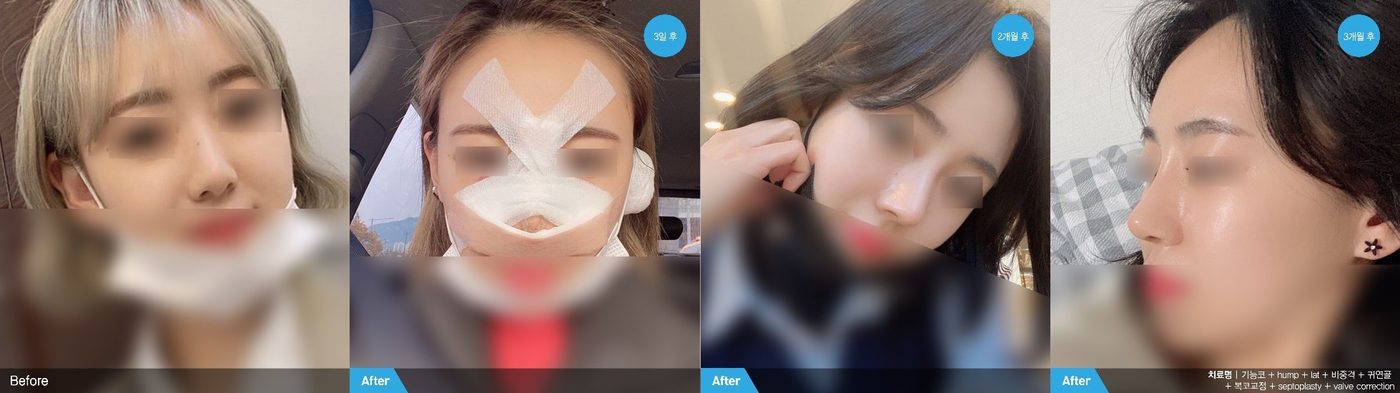
The same nose, but no longer the same starting point.
Unlike primary rhinoplasty, revision rhinoplasty addresses concerns that remain after an earlier procedure, including aesthetic irregularities, structural weakness, or functional breathing issues. Careful assessment of existing anatomy, scar tissue, and available cartilage is essential, and every case requires an individualized evaluation because the causes of dissatisfaction vary from patient to patient.
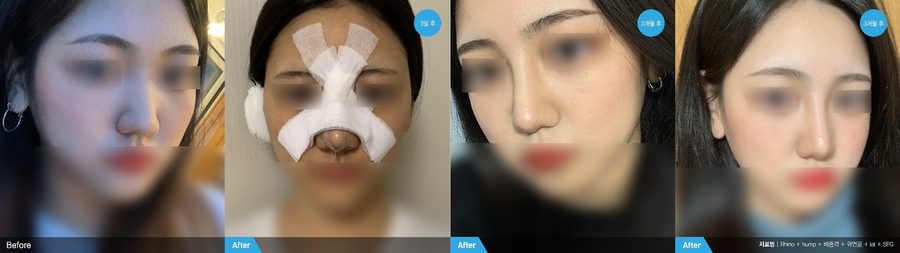
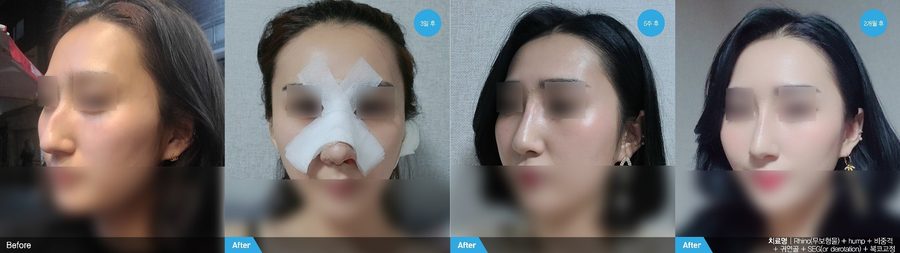
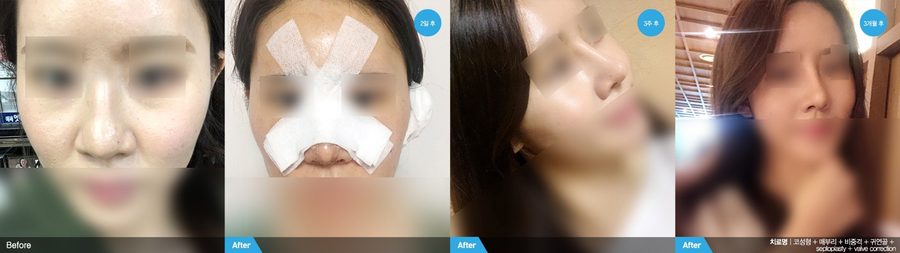
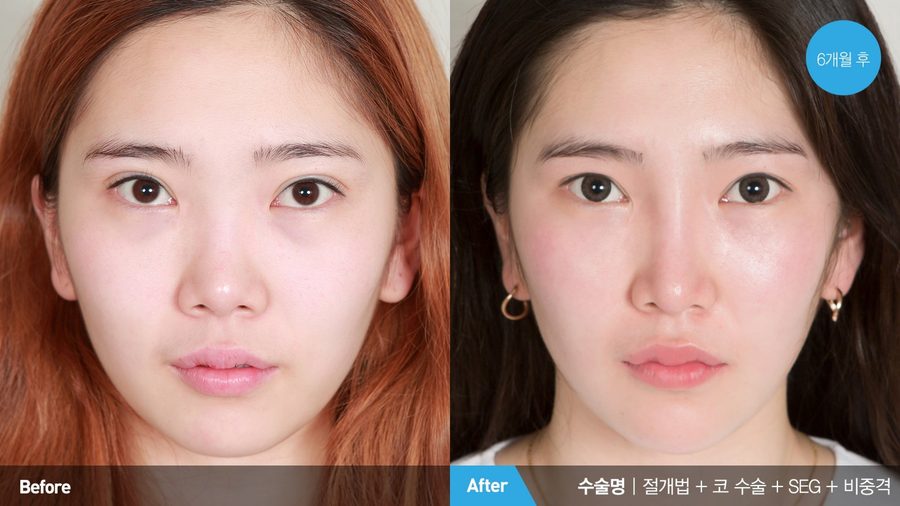
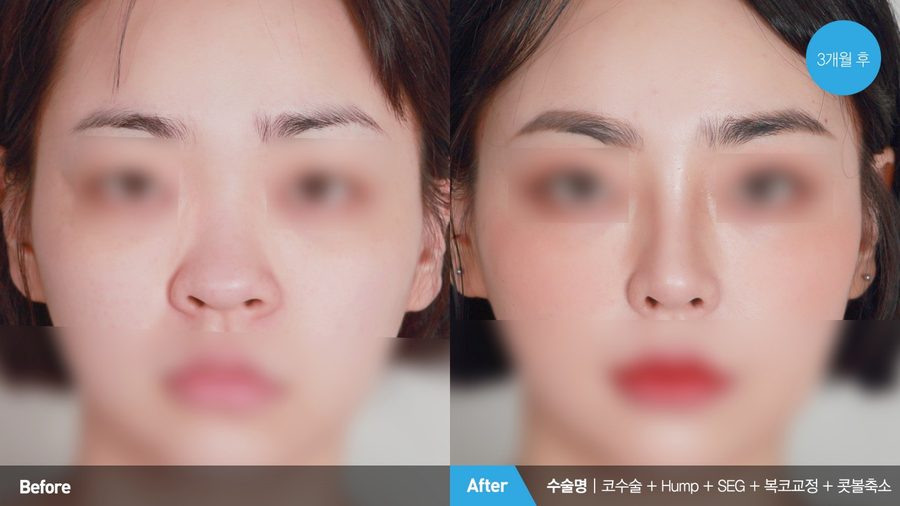
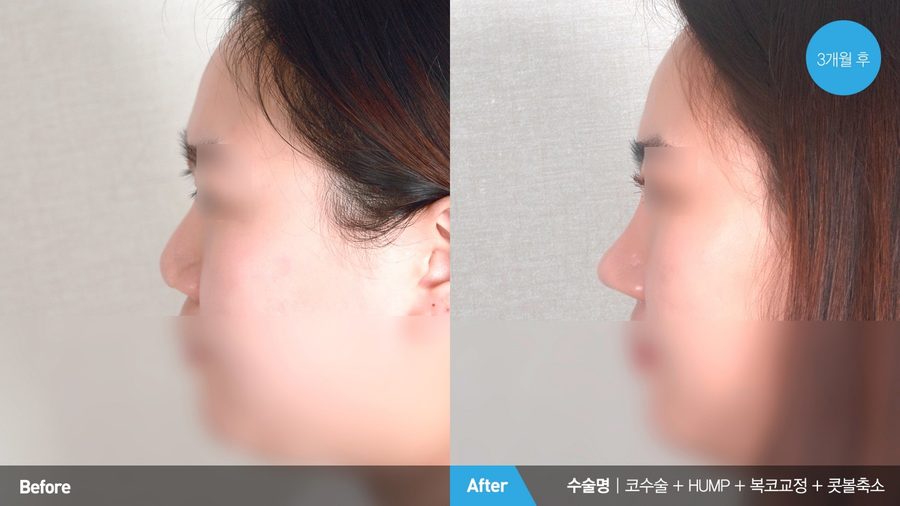
Individual results vary. Photos are examples shown with patient consent and are not a guarantee of outcome.
Structural cartilage grafting is used when appropriate, following an evaluation of the cartilage available after previous surgery.
Restoring nasal support is a stated principle of revision surgery, alongside functional and aesthetic improvement.
Personalized surgical planning aims at long-term stability rather than an early result that changes as healing progresses.
| What it means in practice | |
|---|---|
| Residual asymmetry | Asymmetry that remains after the earlier procedure |
| Over- or under-correction | The previous result went too far, or not far enough |
| Drooping or collapsed nasal tip | Tip support has weakened or given way |
| Implant- or graft-related concerns | Concerns relating to the material used previously |
| Persistent breathing difficulties | Functional issues that remain after surgery |
| Unsatisfactory cosmetic outcome | The aesthetic result did not meet the goal |
Treatment recommendations depend on each patient's anatomy and goals. A consultation and examination are required before any procedure is recommended.
Every case is evaluated on its own causes, not a standard route.
Reconstruction techniques address weakened nasal support.
Imaging supports assessment of the structure after previous surgery.
Appearance and breathing are planned together.
The plan follows your anatomy, scar tissue, and goals.
Support is rebuilt where the structure has weakened.
Both are addressed where clinically appropriate.
The objective is a result that holds over time.
Treatment recommendations depend on each patient's anatomy and goals. A consultation and examination are required.
Recovery depends on the complexity of reconstruction.
Temporary swelling and bruising are expected.
Final refinement develops gradually over several months.
Postoperative follow-up is structured around your case.
Your surgeon provides a recovery timeline based on the specific procedure rather than a single universal schedule.
A message from the surgeon, a look inside the clinic, and stories from patients.
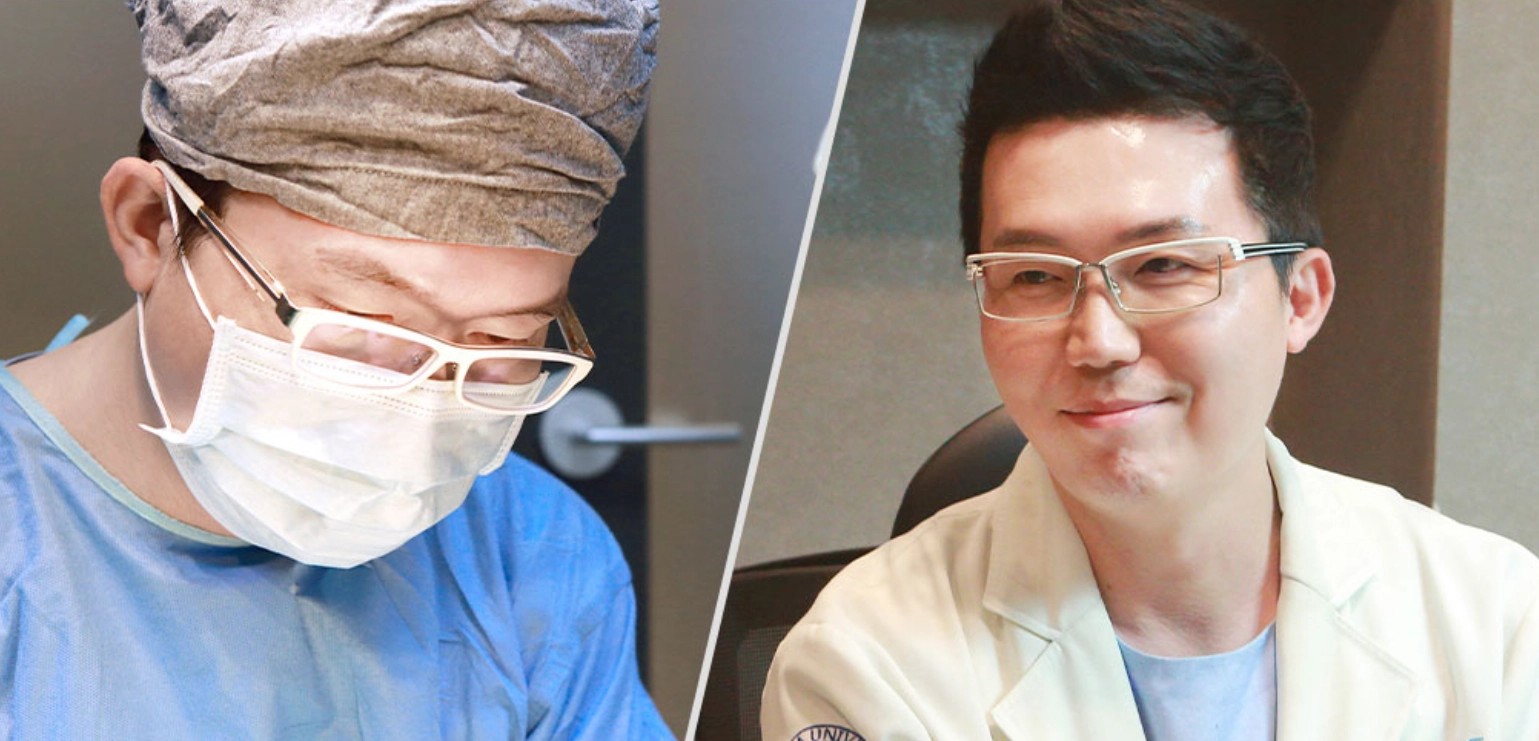

Set each block's data-video to your YouTube video ID to enable playback.
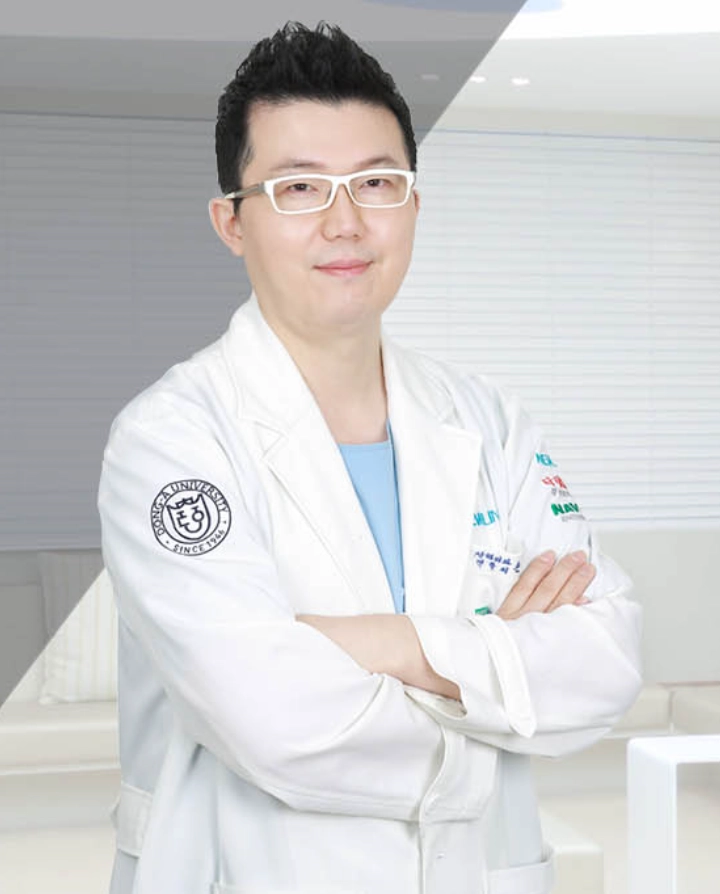 Surgeon Portrait
No two revision cases arrive with the same problem.
Scar tissue, what cartilage is left, what the first operation actually did — that is the starting point. Until those are read properly, a revision plan is just a guess with a scalpel behind it.
Planning may include detailed medical history, physical examination, facial photography, 3D CT imaging when indicated, nasal endoscopy and functional airway assessment, and cartilage availability evaluation.
Individual results and recovery experiences vary. This page is provided for general educational purposes and does not constitute a diagnosis, treatment recommendation, or guarantee of surgical results. All surgical procedures involve potential risks, including bleeding, infection, adverse reaction to anesthesia, asymmetry, scarring, altered sensation, dissatisfaction with the outcome, and the possible need for additional treatment. The appropriate procedure and expected outcome can only be determined following an in-person examination and consultation with a qualified medical professional. Newline Clinic is licensed under the Korean Medical Service Act.
Send your details and our international team will get back to you. No obligation — just a starting point.