01
Consultation
Discuss what bothers you about your nostrils — width, flare, or asymmetry.
Alar reduction surgery refines the width and contour of the nostrils to create a more balanced, proportionate nasal appearance — planned individually around nasal anatomy, facial proportions, and aesthetic goals rather than a one-size-fits-all approach.

Decreasing excessive nostril flare or width — without losing harmony.
Alar reduction is a rhinoplasty procedure that decreases excessive nostril flare or nostril width. Depending on your anatomy, surgery may narrow the nostril base, reduce alar flare, or combine both techniques while preserving natural facial harmony. Every nose is different, which is why planning starts with your proportions rather than a standard amount of reduction.





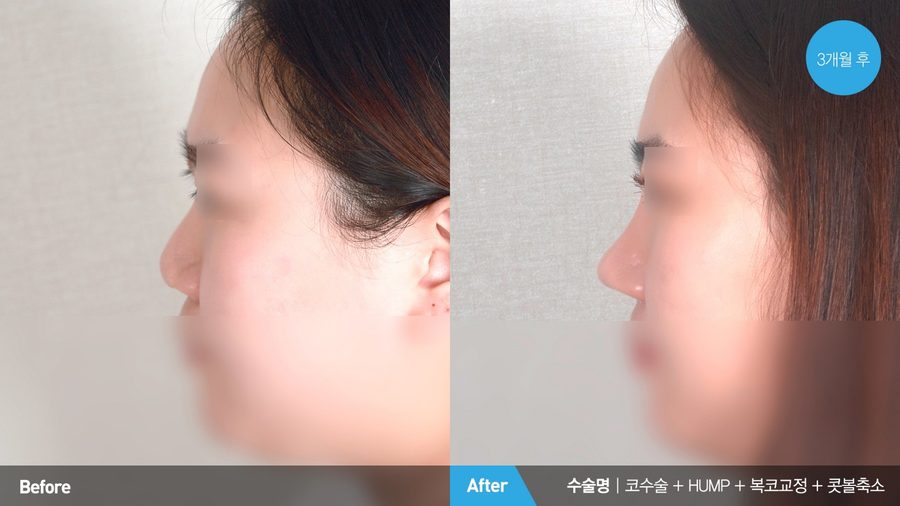
Individual results vary. Photos are examples shown with patient consent and are not a guarantee of outcome.
| What it addresses | |
|---|---|
| Alar base reduction | Narrows the nostril base |
| Alar flare reduction | Reduces excessive nostril flare |
| Combined nostril narrowing | Both base and flare are addressed together when indicated |
| Precise incision placement | Incisions are positioned to minimize visible scarring |
Alar reduction involves incisions and therefore scars. Their location, expected healing, and how much reduction is appropriate for your face should be discussed during consultation.
Width and symmetry are measured before any reduction is planned.
Flare is assessed separately from base width.
The nostrils are planned in relation to the tip and bridge.
Skin thickness affects contour and healing.
Reduction is limited by what keeps the face in balance.
Excessive width is reduced according to your plan.
Nostril symmetry may be improved.
The nose sits more proportionately within the face.
Natural aesthetic design rather than over-narrowing.
The technique is matched to your specific anatomy.
A consultation and examination are required to determine which technique — base, flare, or combined — suits your anatomy.
Discuss what bothers you about your nostrils — width, flare, or asymmetry.
Nostril width and symmetry, alar flare, tip and bridge proportions, and skin thickness are assessed.
Alar base reduction, alar flare reduction, or a combined technique is selected.
Precise incision placement minimizes visible scarring while narrowing the nostrils.
Mild swelling and temporary discomfort are expected; most patients resume normal daily activities within several days.
Structured postoperative care as final refinement continues with healing.
Mild swelling is expected after the procedure.
Temporary discomfort is expected during early healing.
Most patients resume normal daily activities within several days.
Final refinement continues as healing progresses.
Structured postoperative care supports recovery. Your surgeon provides a personalized timeline.
A message from the surgeon, a look inside the clinic, and stories from patients.


Set each block's data-video to your YouTube video ID to enable playback.
 Surgeon Portrait
Nostrils that are too narrow look just as operated as nostrils that are too wide.
The measurement that matters is not the nostril — it is the nostril against the tip, the bridge, and the face.
Because base width and flare are corrected differently, planning begins with your nostril width and symmetry, alar flare, tip and bridge proportions, skin thickness, and overall facial balance.
Individual results and recovery experiences vary. This page is provided for general educational purposes and does not constitute a diagnosis, treatment recommendation, or guarantee of surgical results. Alar reduction addresses nostril width and flare; breathing concerns involve internal nasal structures and should be evaluated separately. All surgical procedures involve potential risks, including bleeding, infection, asymmetry, visible or widened scarring, over- or under-correction, altered nostril shape, dissatisfaction with the outcome, and the possible need for revision surgery. The appropriate technique and expected outcome can only be determined following an in-person examination and consultation with a qualified medical professional. Newline Clinic is licensed under the Korean Medical Service Act.
Send your details and our international team will get back to you. No obligation — just a starting point.