Nipple Correction · Inverted Nipple Repair

Inverted nipple correction in Busan, Korea — appearance and function together.

Nipple correction surgery is designed to improve the appearance and, when appropriate, the function of the nipple. At Newline Clinic the focus is on inverted nipples — a condition in which the nipple is pulled inward rather than projecting outward — with a technique selected for your degree of inversion and goals.
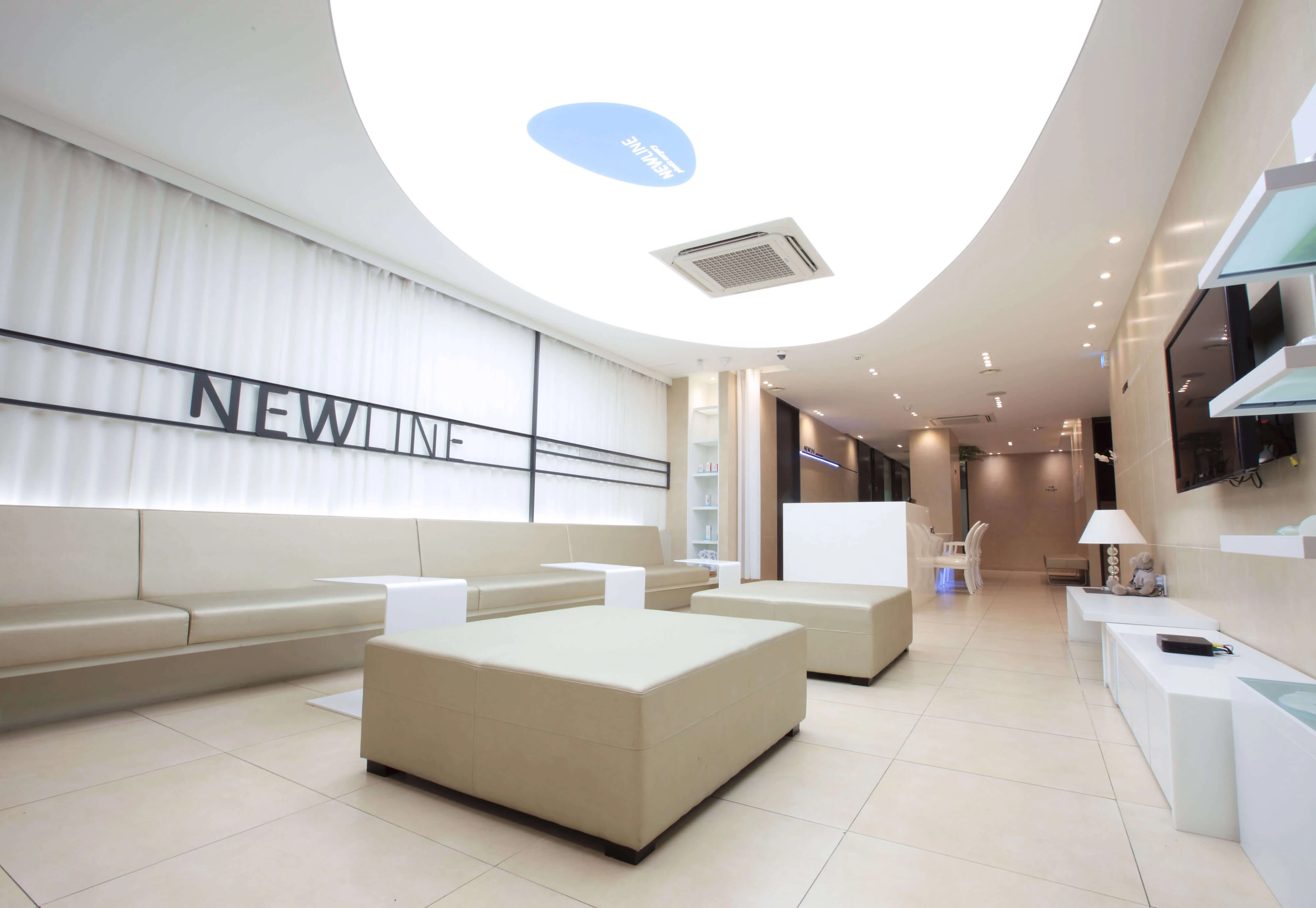
Inverted nipple correction surgery at Newline Clinic in Busan, Korea
Nipple Correction
Watch: how correction is planned
3D preoperative simulation Experienced breast surgery specialists Function considered, not only appearance Structured postoperative management Surgical safety protocols
Nipple Correction at a Glance

Releasing what pulls the nipple inward.

Procedure
Inverted Nipple Correction
Condition
Retracted Nipple
Key Step
Release of Fibrous Tissue
Concerns Addressed
Cosmetic & Functional
Planning
3D Preoperative Simulation
Considered
Future Breastfeeding
What Is an Inverted Nipple?

A nipple retracted into the breast instead of protruding normally.

An inverted nipple is retracted into the breast rather than projecting outward. Depending on severity, patients may experience hygiene concerns, trapped secretions, irritation, inflammation, discomfort, or breastfeeding-related issues. This is why functional as well as cosmetic concerns may be reasons to seek treatment, and why the surgical technique is chosen only after evaluating the degree of inversion and your individual goals.
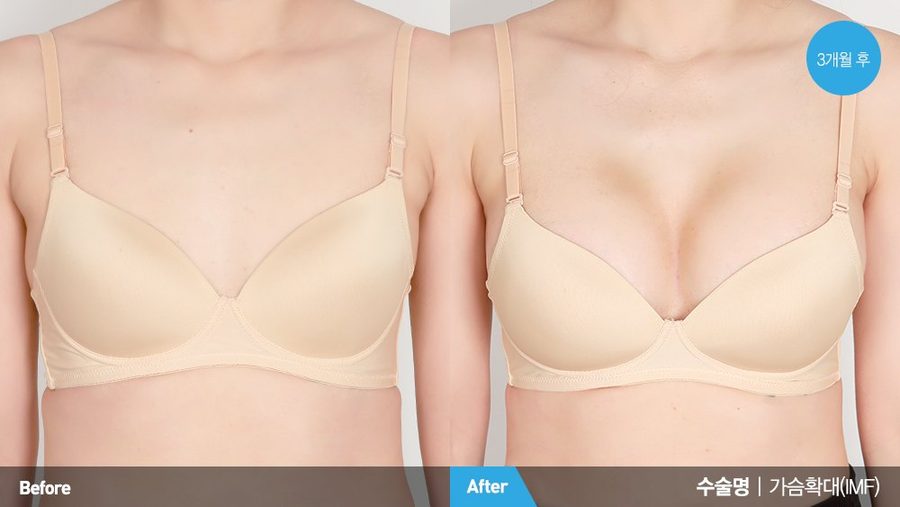
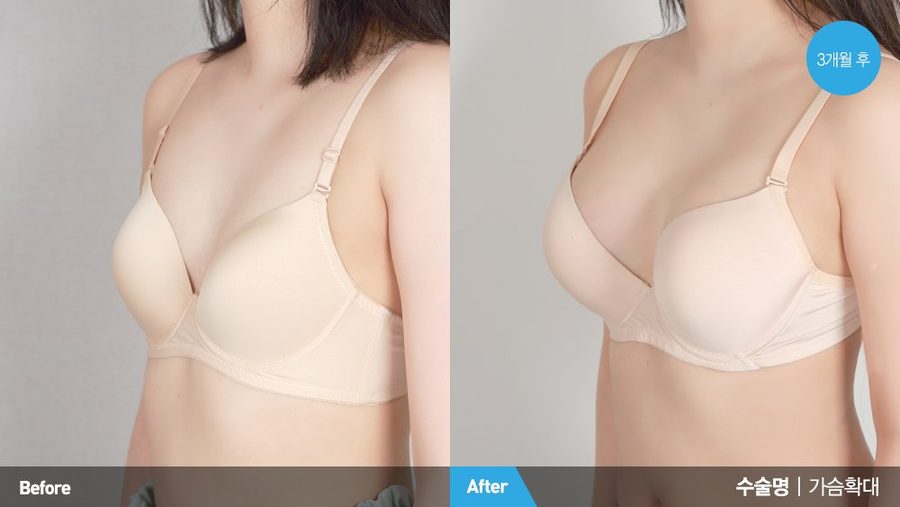
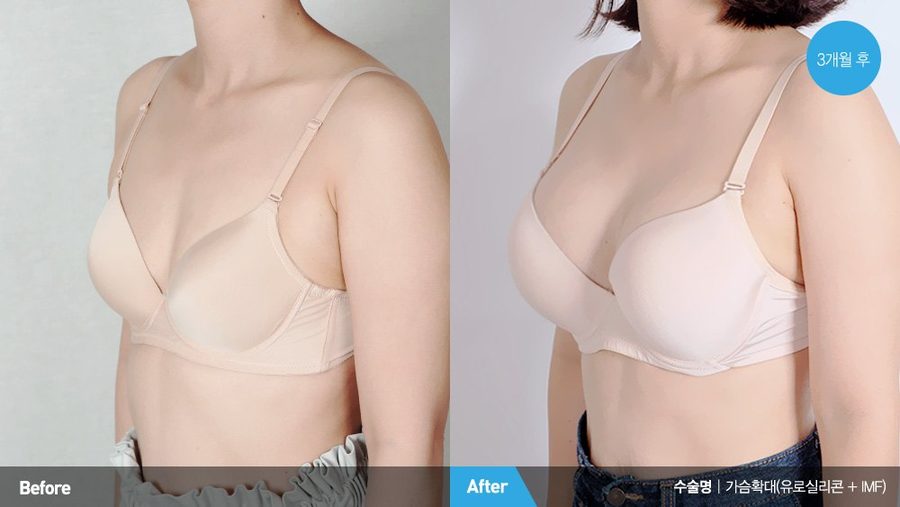
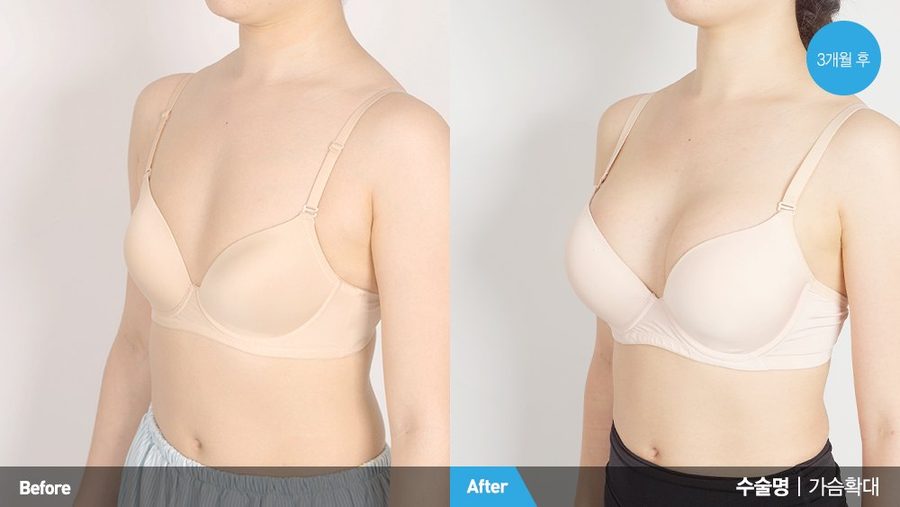
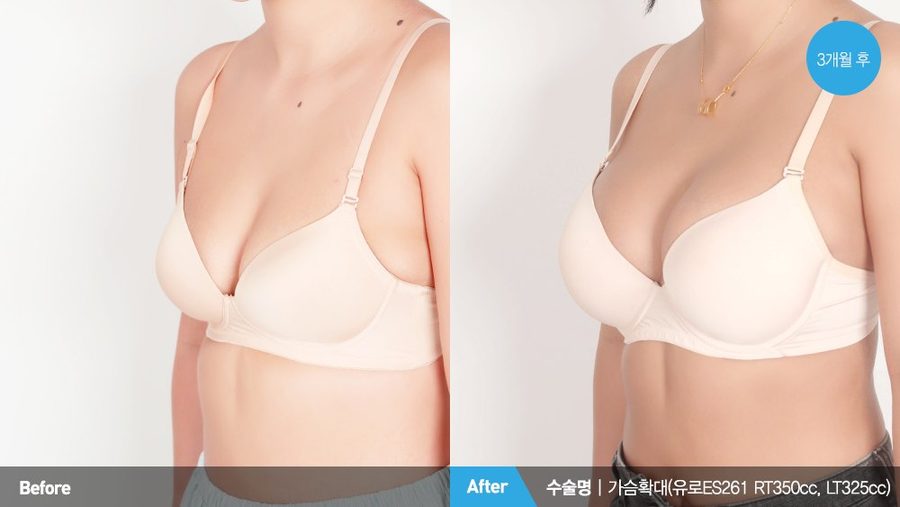
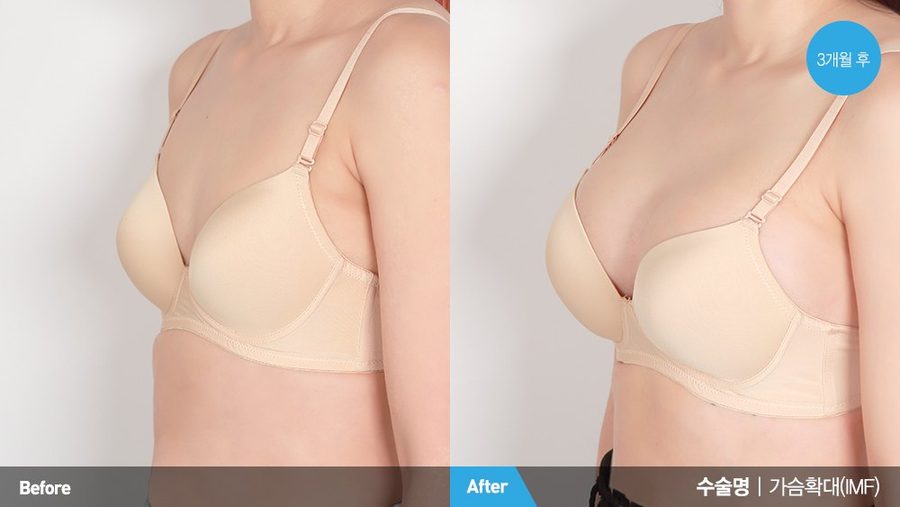
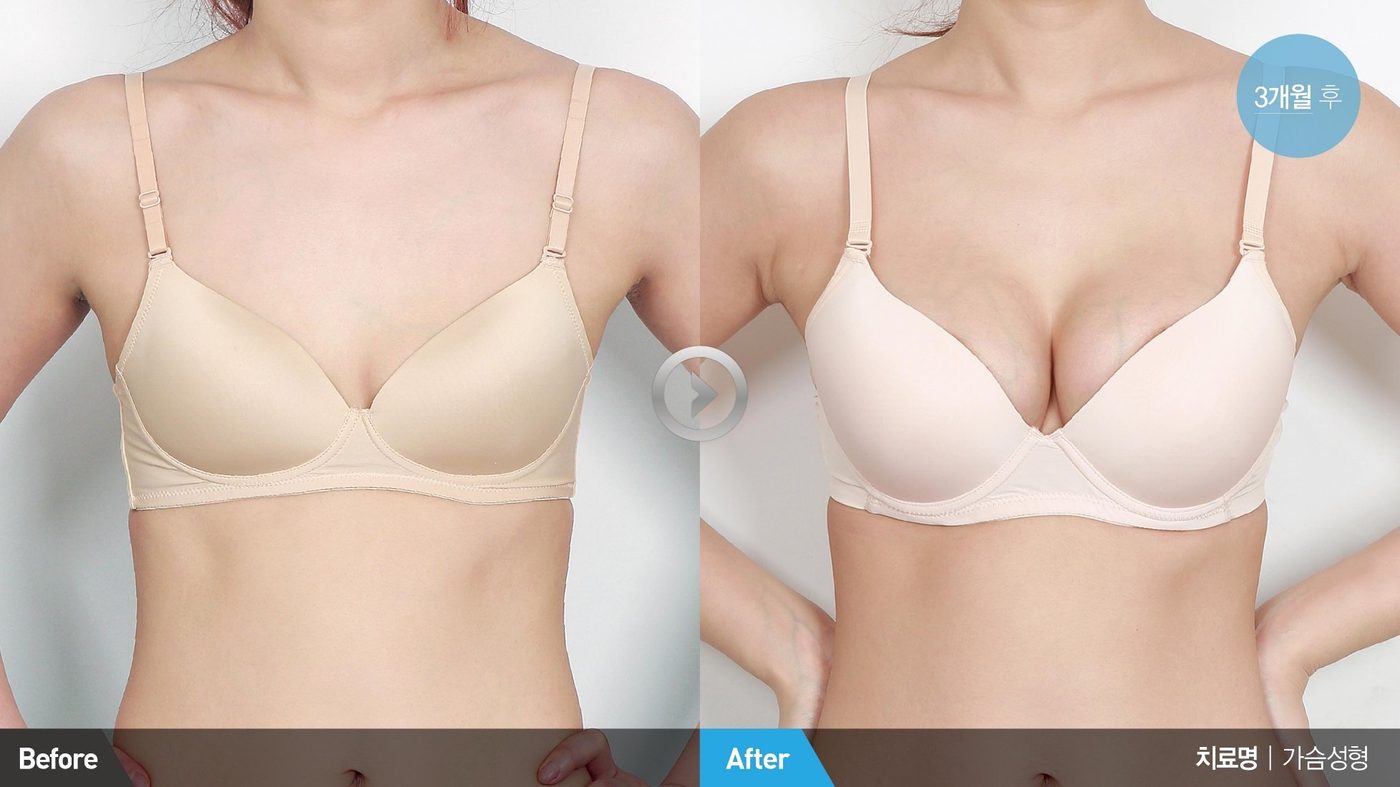
Results

Natural projection, angle by angle.

Individual results vary. Photos are examples shown with patient consent and are not a guarantee of outcome.

How Is the Procedure Performed?

The surgical approach, step by step.

01

Small Incisions

Small incisions are made around the nipple to access the tethering tissue.

Step Access
02

Release of Fibrous Tissue

Careful release of the shortened fibrous tissue tethering the nipple inward.

Step The key step
03

Repositioning & Support

Repositioning and support of the nipple to maintain outward projection while minimizing recurrence.

Step Maintaining projection
Treatment Planning

What the surgeon evaluates first.

Degree of Nipple Inversion

How severely the nipple is retracted guides the technique.

Breast Anatomy

Your individual breast anatomy is assessed before planning.

Functional Concerns

Hygiene, trapped secretions, irritation, inflammation, or discomfort are considered.

Future Breastfeeding

Breastfeeding considerations are discussed as part of technique selection.

Aesthetic Goals

Your individual goals for appearance and symmetry are reviewed.

The surgical technique is selected after this evaluation. If future breastfeeding matters to you, raise it during consultation so it can be factored into the plan.

Potential Benefits

What correction aims to improve.

What it addresses
Improved nipple projectionThe nipple is repositioned and supported to maintain outward projection
Better breast symmetryAppearance and symmetry are improved where inversion affected them
Easier hygieneRetraction can trap secretions and complicate hygiene; correction may help
Functional improvementPotential improvement in functional concerns for selected patients
Natural-looking resultCosmetic enhancement planned to look natural rather than over-corrected

Functional improvement applies to selected patients and depends on the degree of inversion, anatomy, and the technique used. Recurrence is a recognized consideration in inverted nipple surgery.

Is Correction Right for You?

Candidates are evaluated individually.

You may consider it if you

  • Have a nipple that retracts instead of projecting
  • Experience hygiene concerns or trapped secretions
  • Have irritation, inflammation, or discomfort
  • Have breastfeeding-related issues linked to inversion
  • Are bothered by the appearance or asymmetry

Discuss these with your surgeon

  • Any new nipple retraction or change should be medically assessed first
  • Future breastfeeding plans may influence the technique chosen
  • Small incisions are made around the nipple, so a scar is expected
  • Techniques aim to minimize recurrence, but it remains possible

A consultation and physical examination are required to determine the appropriate technique for your degree of inversion and goals.

From Consultation to Follow-Up

Your correction journey at Newline.

01

Consultation

Discuss cosmetic and functional concerns, symptoms, and your goals.

Step Understanding your concerns
02

Evaluation

Degree of inversion, breast anatomy, functional concerns, and breastfeeding considerations are assessed.

Step Assessment
03

3D Preoperative Simulation

3D simulation supports surgical planning and shared decision-making.

Step Planning support
04

Technique Selection

The surgical technique is selected based on your evaluation and individual goals.

Step Individualized choice
05

Surgery

Small incisions, release of tethering fibrous tissue, then repositioning and support of the nipple.

Step The procedure
06

Recovery & Follow-Up

Personalized postoperative instructions and scheduled follow-up care.

Step Ongoing care
Recovery and Aftercare

Recovery varies between individuals.

Swelling & Bruising

Temporary swelling and bruising are expected after surgery.

Tenderness

Tenderness in the treated area is common during early healing.

Mild Discomfort

Mild discomfort is expected and generally improves with healing.

Scheduled Follow-Up

Patients receive personalized postoperative instructions and scheduled follow-up care.

Recovery varies between individuals. Your surgeon provides a timeline based on your technique and healing response.

Inside Newline

Meet the team & clinic.

A message from the surgeon, a look inside the clinic, and stories from patients.
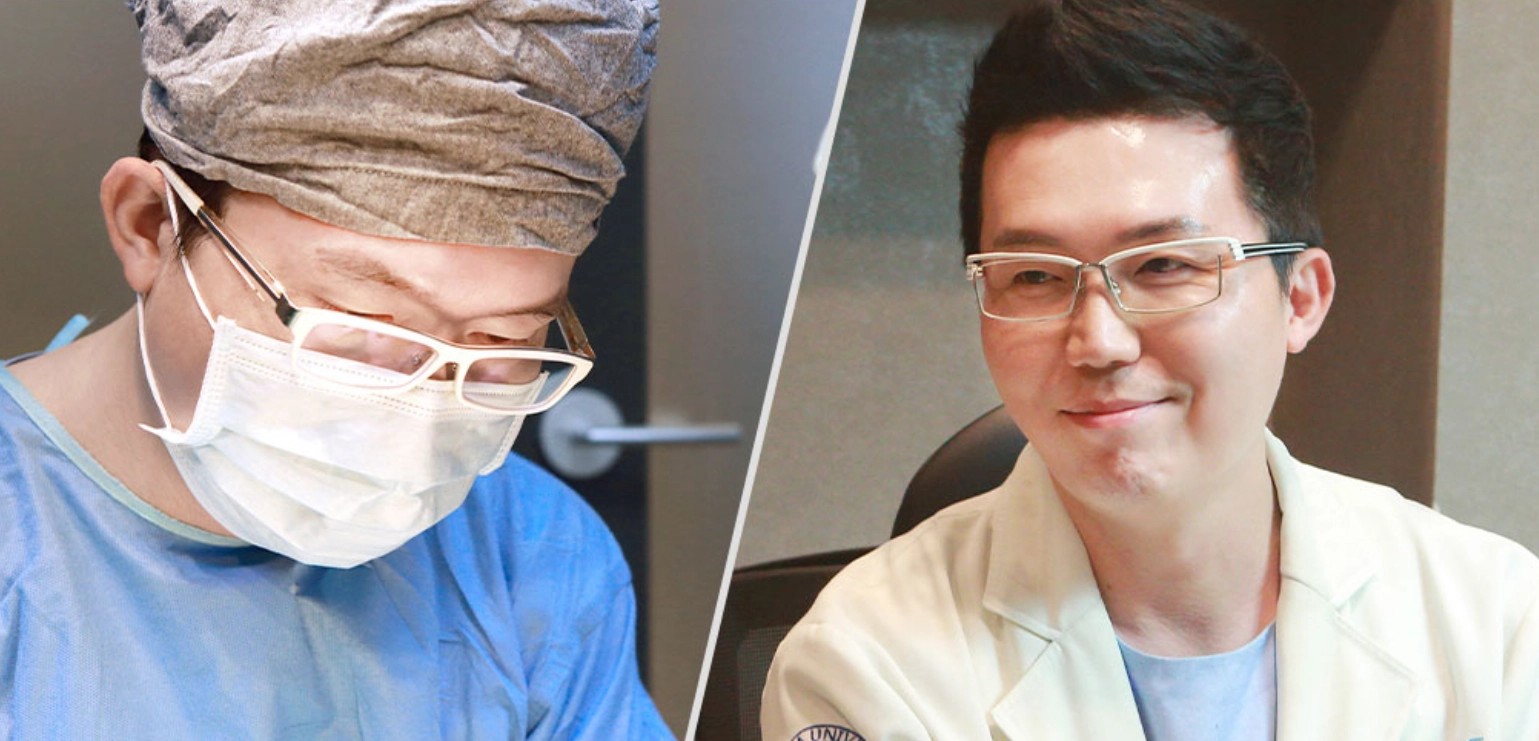
Message from the surgeon at Newline Clinic
Meet the surgeon
Newline Clinic tour in Busan
Clinic tour
Patient story

Set each block's data-video to your YouTube video ID to enable playback.
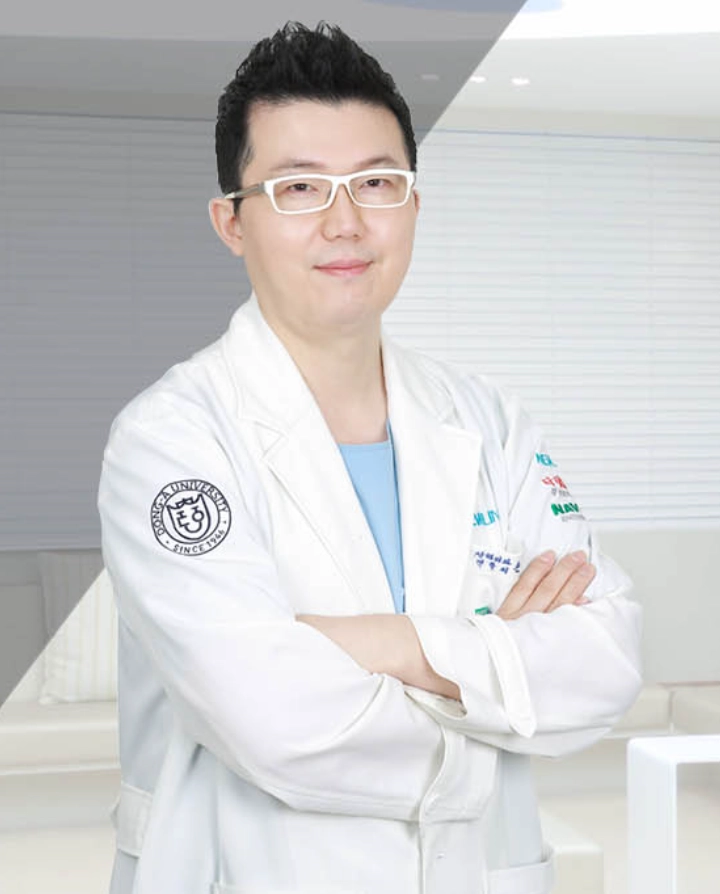
Breast surgery specialist at Newline Clinic Busan Surgeon Portrait
About Your Surgeon

Dr. Son Hee-dong,
plastic
surgeon.

An inverted nipple is held inward by tissue, not by chance.

Correction means releasing what is tethering it and then supporting the projection — which is also what determines whether the result lasts.

  • Board-certified plastic surgeon · MD, PhD
  • Doctorate in Medicine, Dong-A University Graduate School
  • Clinical Professor, Dept. of Plastic Surgery, Dong-A University Hospital
  • Full member — Korean Society of Plastic and Reconstructive Surgeons, Korean Society for Aesthetic Plastic Surgery, Korean Rhinoplasty Society
  • Experience in breast surgery and nipple correction
  • Consultation in Korean, English, Japanese and Chinese
View Full Profile
Frequently Asked

Nipple Correction in Busan
questions.

What causes inverted nipples?
An inverted nipple is retracted into the breast because shortened fibrous tissue tethers it inward instead of allowing it to protrude normally. Correction focuses on carefully releasing that tissue.
Can nipple correction affect breastfeeding?
Breastfeeding considerations are part of treatment planning, and the surgical technique is selected after evaluating them. If future breastfeeding is important to you, raise it during consultation so it can be factored into the plan.
Will scars be visible?
The approach generally involves small incisions around the nipple, so a scar is expected. Its location and expected appearance should be explained by your surgeon before surgery.
What is the recovery time?
Temporary swelling, bruising, tenderness, and mild discomfort are expected after surgery, and recovery varies between individuals. Patients receive personalized postoperative instructions and scheduled follow-up care.
Can the procedure be combined with other breast surgeries?
Combined procedures are considered in some patients depending on breast anatomy and goals. Whether a combination is appropriate can only be determined after examination and consultation.
Is inverted nipple correction only cosmetic?
No. Depending on severity, patients may experience hygiene concerns, trapped secretions, irritation, inflammation, discomfort, or breastfeeding-related issues, so functional as well as cosmetic concerns may be reasons to seek treatment.
How is the surgical technique chosen?
The technique is selected after evaluating the degree of nipple inversion, breast anatomy, functional concerns, future breastfeeding considerations, and your individual aesthetic goals.
Can an inverted nipple come back after surgery?
The procedure includes repositioning and support of the nipple specifically to maintain outward projection while minimizing recurrence. Recurrence remains a recognized consideration and should be discussed with your surgeon.
Should a newly retracted nipple be checked first?
Yes. A nipple that becomes newly retracted, or any new change in the breast, should be medically evaluated before cosmetic correction is planned.
Considering Nipple Correction in Busan?

Start with a
personalized assessment.

The technique is selected only after evaluating your degree of inversion, breast anatomy, functional concerns, future breastfeeding considerations, and aesthetic goals. A consultation is the first step.

Visit the clinic

Find Newline in Busan.

Newline Clinic
40 Bujeon-ro 66beon-gil, Floors 2–5
Busanjin-gu, Busan 47287
Republic of Korea

+82 51 806 0100 · WhatsApp

Get Directions

Individual results and recovery experiences vary. This page is provided for general educational purposes and does not constitute a diagnosis, treatment recommendation, or guarantee of surgical results. A newly retracted nipple or any new change in the breast should be evaluated by a qualified medical professional before cosmetic correction is planned. All surgical procedures involve potential risks, including bleeding, infection, altered nipple sensation, asymmetry, scarring, effects on breastfeeding, recurrence of inversion, dissatisfaction with the outcome, and the possible need for additional treatment. The appropriate treatment, technique, and expected outcome can only be determined following an in-person examination and consultation. Newline Clinic is licensed under the Korean Medical Service Act.

Request a Consultation

Tell us what you're considering.

Send your details and our international team will get back to you. No obligation — just a starting point.

Our international team replies in English, Japanese and Chinese — usually within one business day.