Accessory Breast · Axillary Breast Tissue

Accessory breast treatment in Busan, Korea — understanding axillary breast tissue at Newline.

Accessory breast tissue is the presence of breast tissue outside the normal breast area, most commonly in the underarm (axillary) region. It develops along the embryologic "milk line" and may become more noticeable during hormonal changes such as puberty, pregnancy, or breastfeeding.
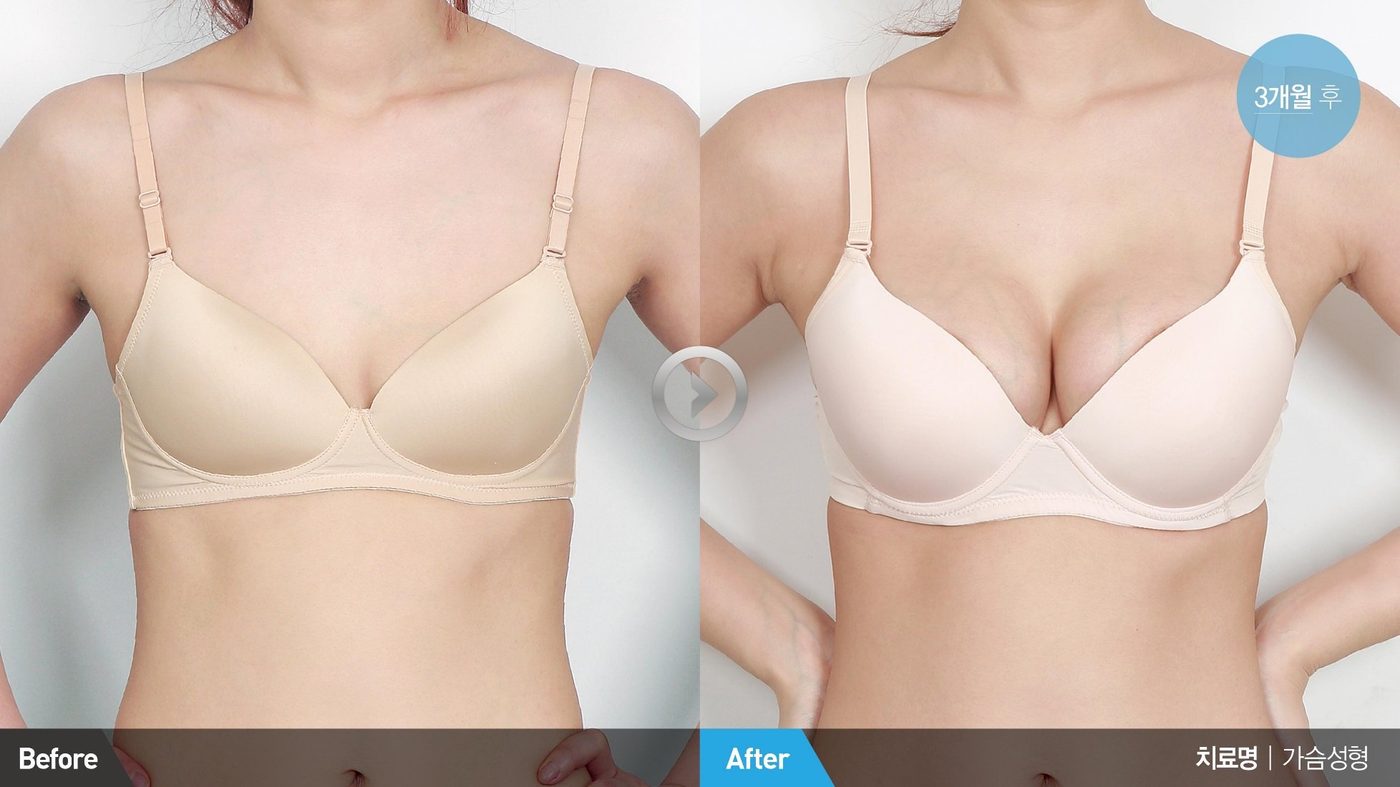
Accessory breast (axillary breast tissue) treatment at Newline Clinic in Busan, Korea
Accessory Breast
Watch: accessory breast tissue explained
Glandular tissue assessment Ultrasound evaluation Individualized planning Improved underarm contour Structured follow-up
Accessory Breast at a Glance

Breast tissue outside the normal breast area.

Condition
Accessory Breast Tissue
Common Location
Underarm (Axilla)
Origin
Embryologic Milk Line
Tissue Type
Glandular · Hormone-Responsive
Evaluation
Exam & Ultrasound
Treatment
Individualized
What Is Accessory Breast Tissue?

Glandular breast tissue located outside the normal breast.

Accessory breast tissue contains glandular breast tissue located outside the normal breast. Unlike simple fatty tissue, it may respond to hormonal stimulation and can enlarge, become tender, or produce discomfort. It is most commonly found in the underarm region, and it may become more noticeable during hormonal changes such as puberty, pregnancy, or breastfeeding. Treatment recommendations depend on symptoms, tissue type, and patient goals, and are made after clinical evaluation.
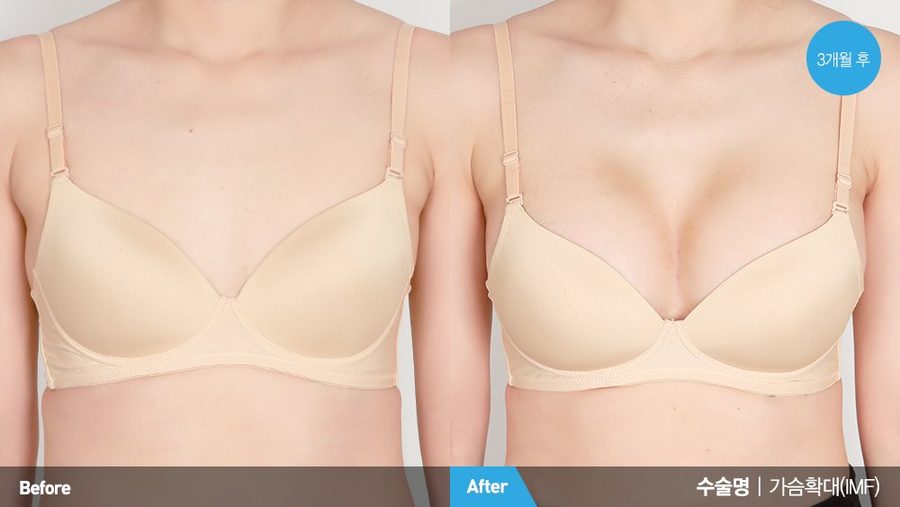
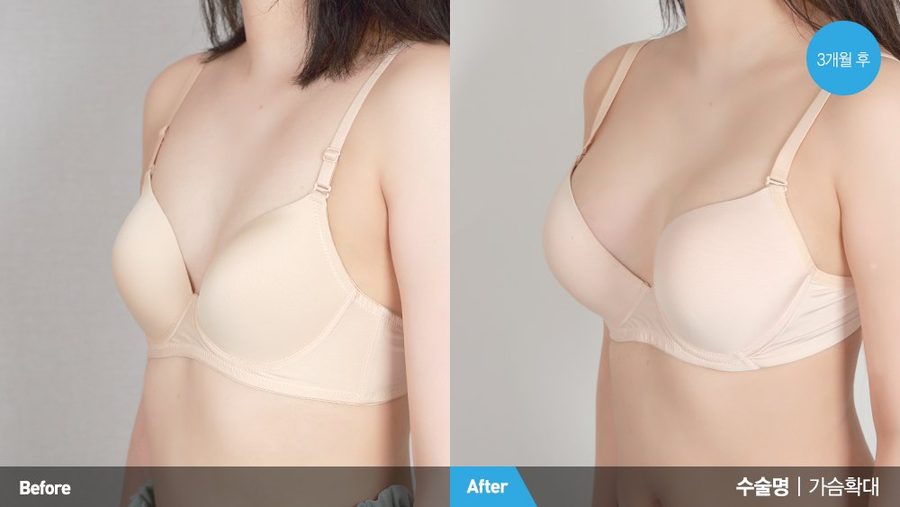
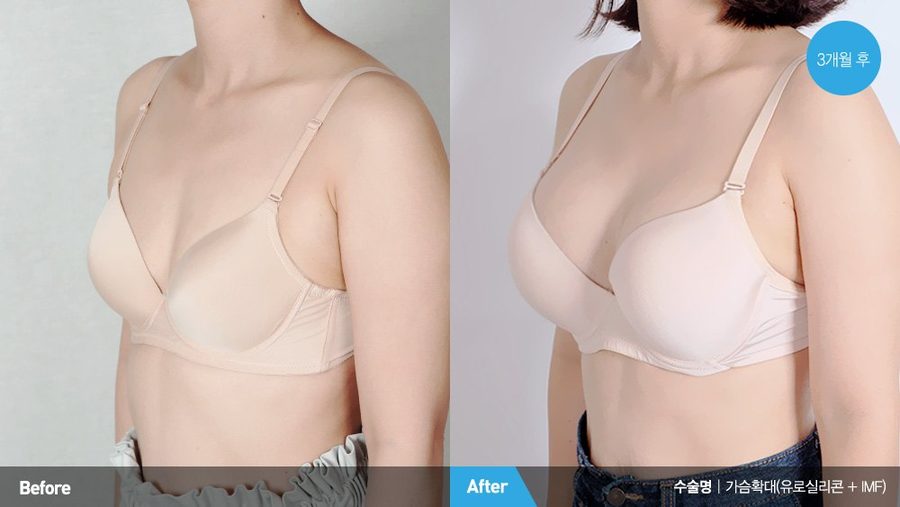
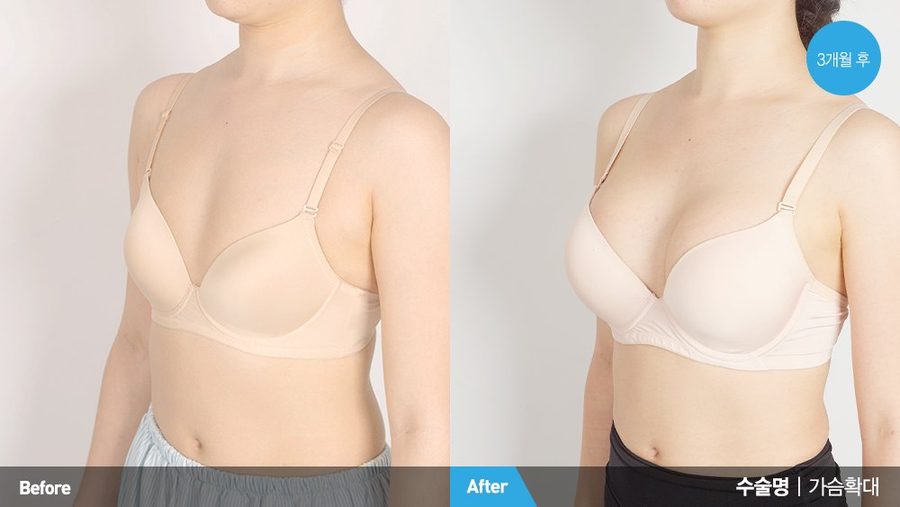
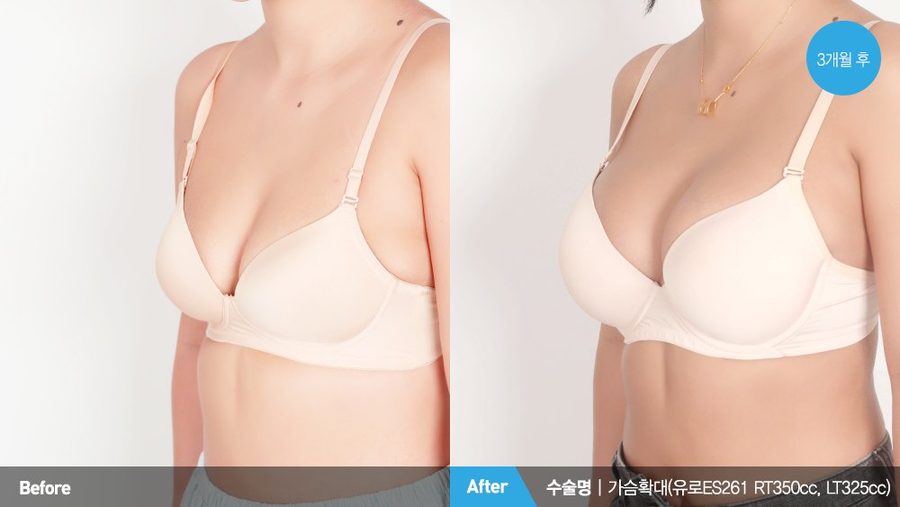
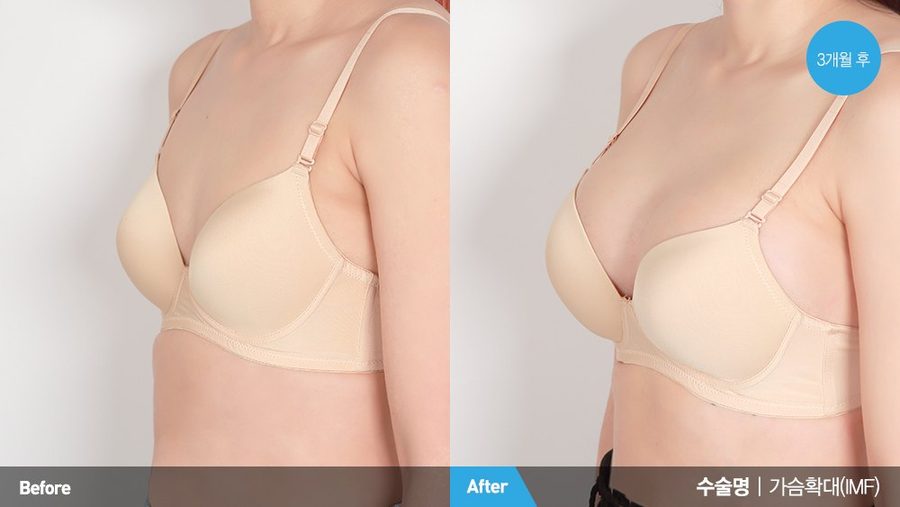
Results

Improved underarm contour, angle by angle.

Individual results vary. Photos are examples shown with patient consent and are not a guarantee of outcome.

Possible Causes

Several factors may contribute.

Congenital Persistence

Breast tissue that remains along the milk line instead of regressing during normal fetal development.

Hormonal Influences

Because the tissue is glandular, it may respond to hormonal stimulation and change in size or sensitivity.

Pregnancy & Breastfeeding

Hormonal changes during pregnancy or lactation can make existing accessory tissue more noticeable.

Genetic & Developmental Factors

Individual developmental and inherited factors may play a role in whether accessory tissue persists.

Common Symptoms

What patients may notice.

Underarm Fullness or Lump

A palpable area of fullness or a lump in the underarm region.

Cyclical Swelling

Swelling that changes with the menstrual cycle, reflecting the tissue's hormonal responsiveness.

Tenderness or Discomfort

The area may feel sore, sensitive, or uncomfortable.

Enlargement in Pregnancy

The tissue may enlarge during pregnancy or lactation.

Cosmetic Concerns

Underarm bulging can affect appearance and the way clothing fits.

Treatment Options

The approach depends on tissue type and symptoms.

What it addressesWhen it may be considered
ObservationNo tissue is removed; the area is monitored over timeWhen symptoms are minimal and clinical evaluation does not indicate treatment
Glandular tissue removalRemoval of the glandular breast tissue itselfWhen hormone-responsive glandular tissue is the main source of fullness or discomfort
LiposuctionAssociated fatty tissue in the underarm areaWhen fatty tissue contributes to the contour, where appropriate
Combination approachBoth glandular tissue and associated fatty tissueWhen both components contribute, after clinical evaluation

Treatment recommendations depend on symptoms, tissue type, and patient goals. The appropriate option should be determined after an in-person examination and consultation.

Benefits of Treatment

What treatment may improve.

Improved Underarm Contour

Reduction of underarm bulging caused by accessory tissue.

Reduced Discomfort

Relief of tenderness or discomfort associated with the tissue.

Better Clothing Fit

Clothing may fit more comfortably around the underarm area.

Individualized Planning

The plan is developed for your symptoms, tissue type, and goals.

Structured Follow-Up

Postoperative follow-up is scheduled to monitor healing.

Is Evaluation Appropriate for You?

Candidates should be evaluated individually.

Consider an assessment if you

  • Notice fullness or a lump in the underarm
  • Have swelling that changes with your cycle
  • Experience tenderness or discomfort
  • Noticed enlargement during pregnancy or lactation
  • Are bothered by underarm bulging or clothing fit

A consultation determines your plan

  • Ultrasound may be used to identify glandular tissue
  • Glandular tissue and fatty tissue are managed differently
  • Observation may be appropriate in some cases
  • Any new or changing underarm lump should be examined by a doctor

These symptoms do not automatically mean surgery is necessary or appropriate. A consultation and physical examination are required to determine the available options.

From Consultation to Follow-Up

Your treatment journey at Newline.

01

Consultation

Discuss your symptoms, how they change over time, your medical history, and your goals.

Step Understanding your concerns
02

Physical Examination

The underarm area is examined to assess the location, size, and character of the tissue.

Step Clinical assessment
03

Ultrasound Imaging

When appropriate, ultrasound helps identify glandular tissue within the axillary region.

Step When indicated
04

Treatment Planning

Options are discussed based on symptoms, tissue type, and goals — including observation.

Step Individualized plan
05

Treatment

May involve removal of glandular tissue, liposuction for associated fatty tissue, or a combination.

Step The procedure
06

Recovery & Follow-Up

Individualized postoperative care instructions and structured follow-up to monitor healing.

Step Ongoing care
Recovery and Aftercare

Recovery depends on the extent of treatment.

Temporary Swelling

Swelling in the treated underarm area is common during early healing.

Bruising

Bruising may appear and generally improves as healing progresses.

Mild Discomfort

Mild discomfort is common in the early recovery period.

Individualized Instructions

Patients receive personalized postoperative care instructions from the clinic.

Recovery depends on the extent of treatment and your individual healing response. Your surgeon provides a timeline based on your specific procedure.

Inside Newline

Meet the team & clinic.

A message from the surgeon, a look inside the clinic, and stories from patients.
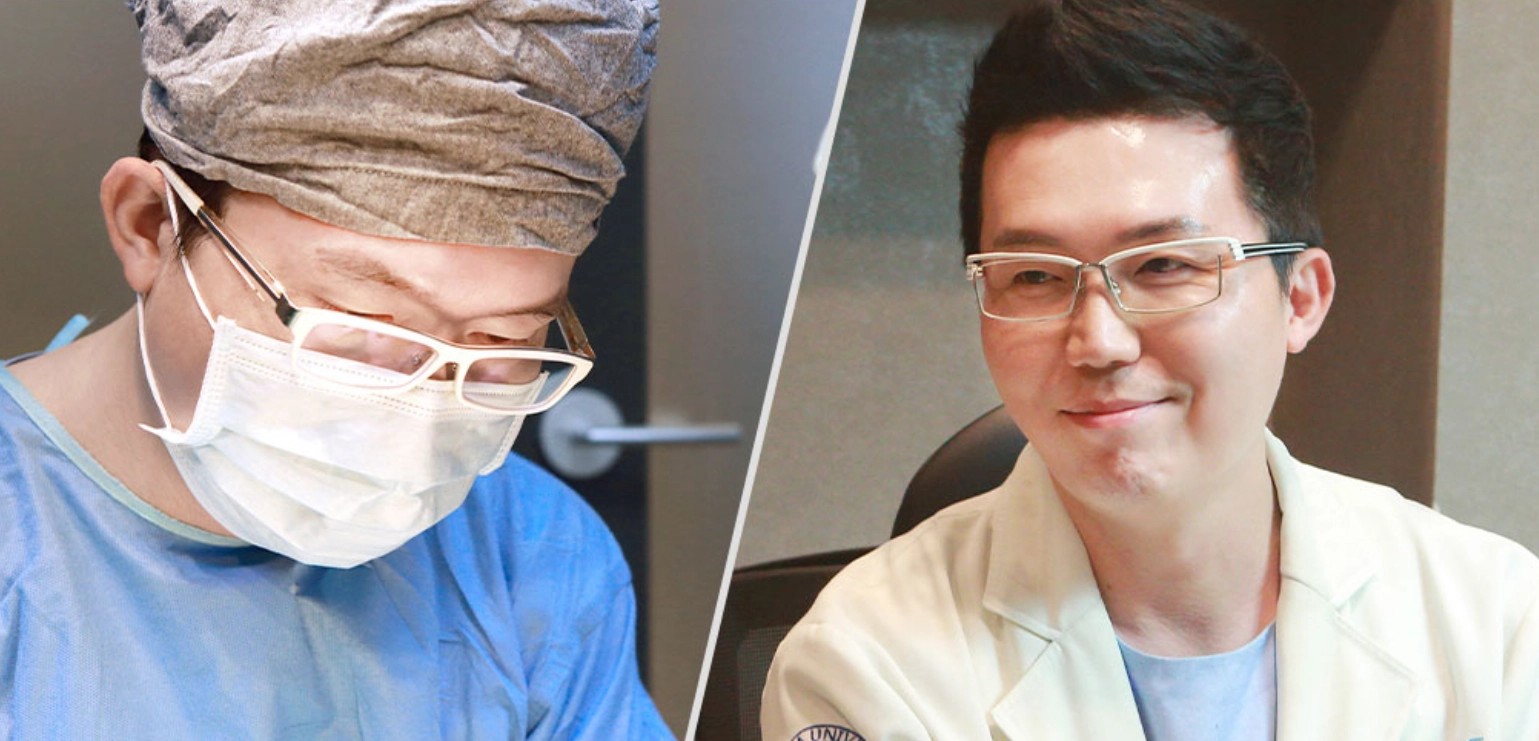
Message from the surgeon at Newline Clinic
Meet the surgeon
Newline Clinic tour in Busan
Clinic tour
Patient story

Set each block's data-video to your YouTube video ID to enable playback.
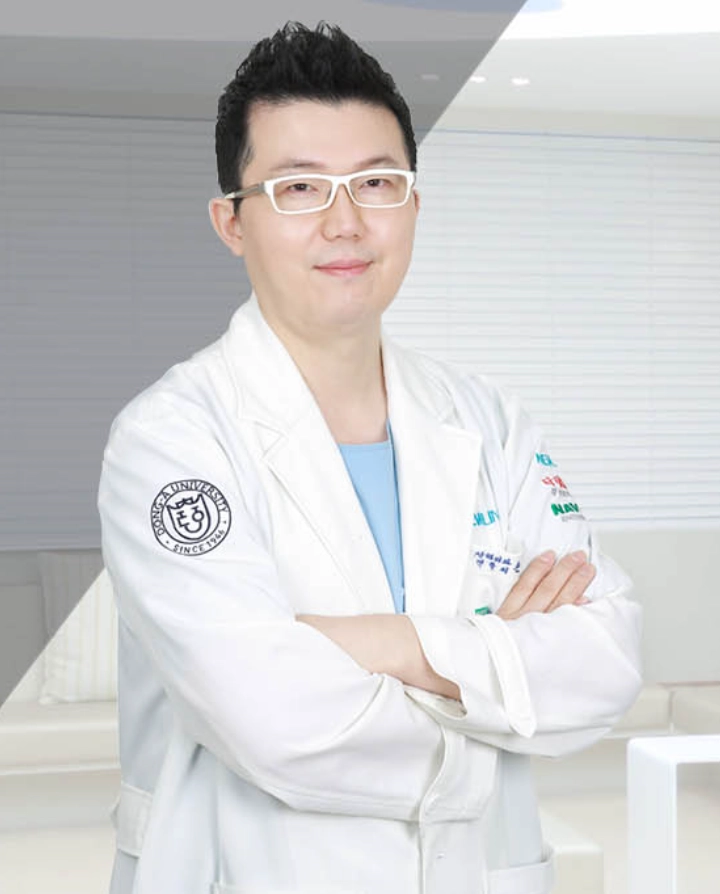
Dr. Son Hee-dong, plastic surgeon at Newline Clinic Busan Surgeon Portrait
About Your Surgeon

Dr. Son Hee-dong,
plastic
surgeon.

Accessory breast tissue is not simply a contour problem.

Because the tissue is glandular and hormone-responsive, the plan should start with an accurate assessment of what the tissue actually is — not an assumption.

  • Board-certified plastic surgeon · MD, PhD
  • Doctorate in Medicine, Dong-A University Graduate School
  • Clinical Professor, Dept. of Plastic Surgery, Dong-A University Hospital
  • Full member — Korean Society of Plastic and Reconstructive Surgeons, Korean Society for Aesthetic Plastic Surgery, Korean Rhinoplasty Society
  • Experience in breast and body contouring surgery
  • Consultation in Korean, English, Japanese and Chinese
View Full Profile
Frequently Asked

Accessory Breast in Busan
questions.

What is accessory breast tissue?
Accessory breast tissue is glandular breast tissue located outside the normal breast area, most commonly in the underarm (axillary) region. Unlike simple fatty tissue, it may respond to hormonal stimulation.
Is accessory breast tissue harmful?
Accessory breast tissue may cause fullness, tenderness, cyclical swelling, or cosmetic concerns rather than always requiring treatment. Because it is breast tissue, any new or changing underarm lump should be evaluated by a doctor rather than assumed to be harmless.
Can it become larger during pregnancy?
Yes. The tissue is hormone-responsive, so it may enlarge or become more noticeable during hormonal changes such as puberty, pregnancy, or breastfeeding.
How is it diagnosed?
Assessment typically includes a physical examination, medical history, ultrasound imaging when appropriate, and additional imaging if clinically indicated. Ultrasound can help identify glandular tissue within the axillary region.
Will treatment leave a scar?
Any surgical treatment involves an incision and therefore the possibility of a scar. The expected incision, its location, and healing should be explained by your surgeon during consultation, as this depends on the treatment approach.
What is the milk line?
During fetal development, breast tissue forms along paired lines extending from the armpits to the groin. Normally breast tissue develops only in the chest; when residual tissue remains elsewhere along this line, accessory breast tissue may develop.
What causes accessory breast tissue?
Contributing factors may include congenital persistence of breast tissue along the milk line, hormonal influences, pregnancy and breastfeeding, and genetic or developmental factors.
Is liposuction alone enough to treat it?
Not always. Liposuction may address associated fatty tissue when appropriate, but glandular tissue is managed differently. Treatment may involve removal of glandular tissue, liposuction, or a combination, determined after clinical evaluation.
What is recovery like?
Recovery depends on the extent of treatment. Temporary swelling, bruising, and mild discomfort are common during early healing, and patients receive individualized postoperative care instructions.
Concerned About Underarm Fullness?

Start with a
personalized assessment.

Accessory breast tissue is diagnosed through examination and, when appropriate, ultrasound imaging. The first step is a consultation to determine what the tissue is and which options — including observation — are appropriate for your symptoms and goals.

Visit the clinic

Find Newline in Busan.

Newline Clinic
40 Bujeon-ro 66beon-gil, Floors 2–5
Busanjin-gu, Busan 47287
Republic of Korea

+82 51 806 0100 · WhatsApp

Get Directions

Individual results and recovery experiences vary. This page is provided for general educational purposes and does not constitute a diagnosis, treatment recommendation, or guarantee of results. Accessory breast tissue should be evaluated by a qualified medical professional, and any new or changing lump in the underarm requires medical assessment. The appropriate treatment, technique, and expected outcome can only be determined following an in-person examination and consultation. All surgical procedures involve potential risks, including bleeding, infection, scarring, asymmetry, changes in sensation, dissatisfaction with the outcome, and the possible need for additional treatment. Newline Clinic is licensed under the Korean Medical Service Act.

Request a Consultation

Tell us what you're considering.

Send your details and our international team will get back to you. No obligation — just a starting point.

Our international team replies in English, Japanese and Chinese — usually within one business day.